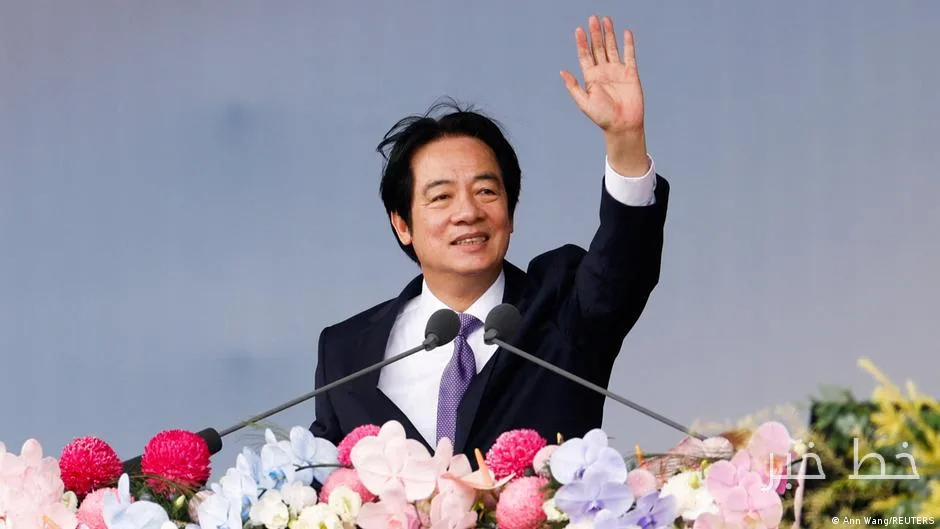
Taiwan has decided to increase its defense spending in order to prevent war. This was stated by Lai Ching-te, the President of Taiwan, on Saturday. China has been increasingly applying military pressure to assert its claim over the self-governing island.
Spending Increase to Historic Record
The Lai Ching-te government has allocated 1.1 trillion New Taiwan dollars (approximately 34.5 billion USD) for defense spending in 2027, which is more than 3 percent of the island's GDP. This action comes as the 23 million residents of Taiwan face the threat of a Chinese attack. Beijing considers the island part of its territory and has not ruled out the use of military force to assert control over it.
Purpose of Investment in National Defense
Lai Ching-te stated in his speech on Taiwan's National Day, "Our goal in increasing investment in national defense is not provocation, but prevention of war." Successive governments in Taiwan have increased military spending to strengthen defenses against a potential Chinese attack while also wanting to show the United States their commitment to self-defense.
Lai also referred to the establishment of dialogues between the United States and China, emphasizing that Beijing must respect "the right of the people of Taiwan to exist." Officials in Washington and Taipei have repeatedly stated that U.S. policy toward Taiwan under President Donald Trump has not changed, although some of his statements have raised concerns in Taipei.
Military and Political Challenges
Taiwan is seeking Trump's approval for a $14 billion arms sale, which includes U.S.-made Patriot missile defense systems. While China continues to expand its military and seeks advanced weapons such as stealth fighters and aircraft carriers, Taiwan is increasing its defense spending and modernizing its armed forces.
The Taiwan Affairs Office in China has not responded to requests for comments on Lai's speech. Beijing has never ruled out the use of military force to bring Taiwan under its control and refers to Lai as a "separatist." Meanwhile, the United States has welcomed Lai's commitment to maintaining peace and stability in the Taiwan Strait.