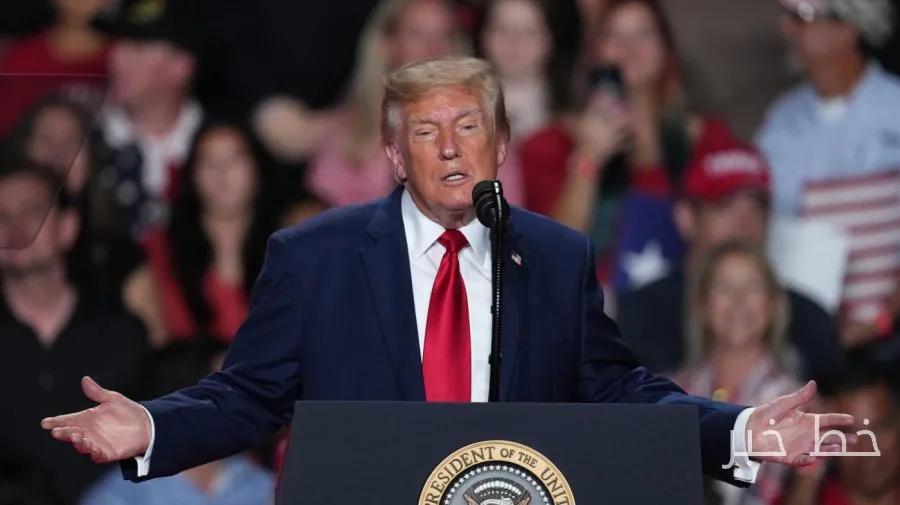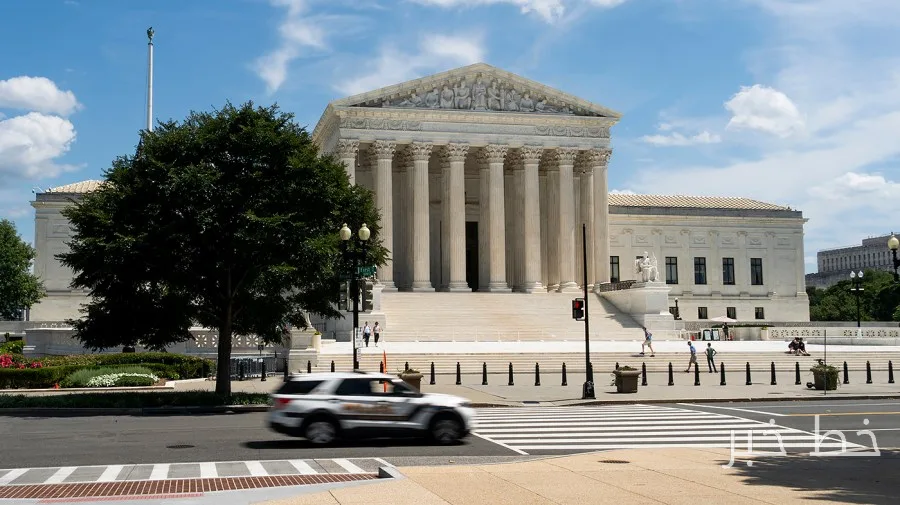
On Tuesday, November 15, 2023, the U.S. Supreme Court voted to allow the Trump administration to continue its policy of deporting immigrants to third countries, meaning countries with which the immigrants have no connection. This decision enables the former U.S. government to continue deporting individuals who have entered the country illegally.
Reviewing the Legality of Deportations
The Supreme Court has announced that it will review the legality of these deportations in December. The justices are evaluating whether deporting immigrants to countries with which they have no connection is consistent with existing laws in the United States.
This decision is particularly significant due to the legal challenges surrounding the Trump administration's immigration policies. Opponents of this policy argue that deporting immigrants to third countries could endanger their lives and ignores the need for humanitarian support.
Potential Consequences of the New Policy
Given the Supreme Court's decision, many immigrants may suddenly be deported to third countries. This policy could have deeper impacts on immigrant communities as well as U.S. international relations. In particular, the deportation of individuals who may face serious dangers in destination countries has raised significant concerns.
The Trump administration had previously implemented strict immigration policies, and this new decision is part of its efforts to control borders and reduce the number of illegal immigrants. While supporters of this policy seek to protect national security, critics view it as a violation of human rights and humanitarian principles.
Ultimately, it is expected that in the December hearing, the justices of the U.S. Supreme Court will announce their final decision based on the evidence and arguments presented. This issue could significantly impact the future of U.S. immigration policies.