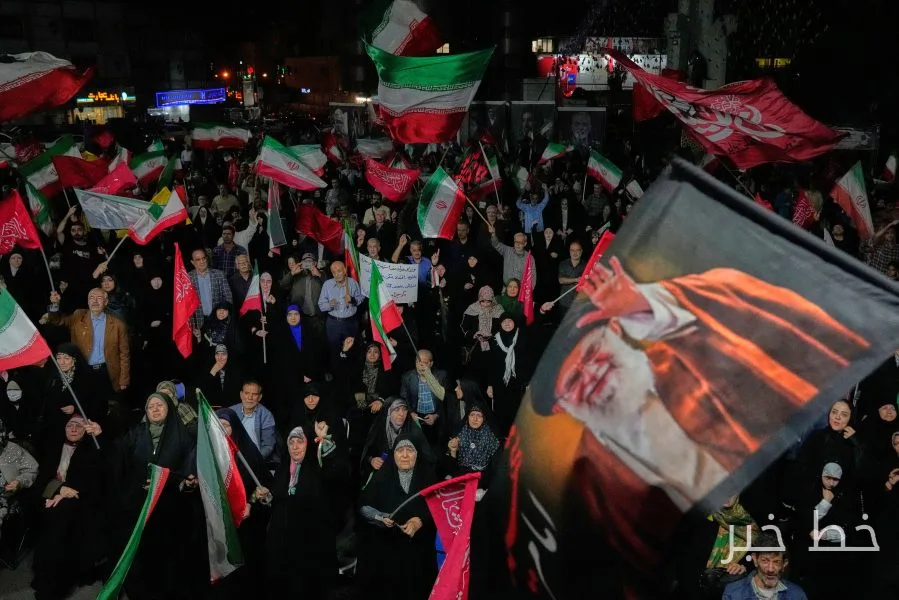
Regime change in Iran has been presented as a serious and urgent necessity. Historical experiences show that malignant regimes such as Nazi Germany, Fascist Italy, and Imperial Japan in the twentieth century provided bitter lessons to the older generation. World War II, with all its horrors and sacrifices, led to the end of these corrupt regimes.
Historical Lessons and the Necessity for Change
Historical lessons remind us that absolute evil exists on a large scale, and this issue also holds true in the contemporary world. Repressive regimes currently demonstrate this truth by violating human rights and instilling fear and terror among the people. These realities lead us to conclude that regime change in Iran is a necessary and urgent matter.
Read more: Greg Stanton expressed concern about the Senate elections in Kansas
Consequences of Regime Change
Regime change will not only benefit the people of Iran, but it can also contribute to the stability and security of the region. Totalitarian regimes typically create instability and insecurity by suppressing and terrorizing their opponents. Therefore, a fundamental change in Iran's political structure could have many positive consequences in economic and social fields for the country.
Given these points, the necessity for regime change in Iran is felt more than ever. This change could be seen as an important step towards establishing peace and stability in the region and improving the living conditions of the people of Iran. The new generation must take steps towards achieving this goal and strive to build a better future for their country.
Read more: The political deputy of the Revolutionary Guards is ready to respond to the enemy's new actions · A man in Houston was taken to the hospital after a collision with an ICE vehicle