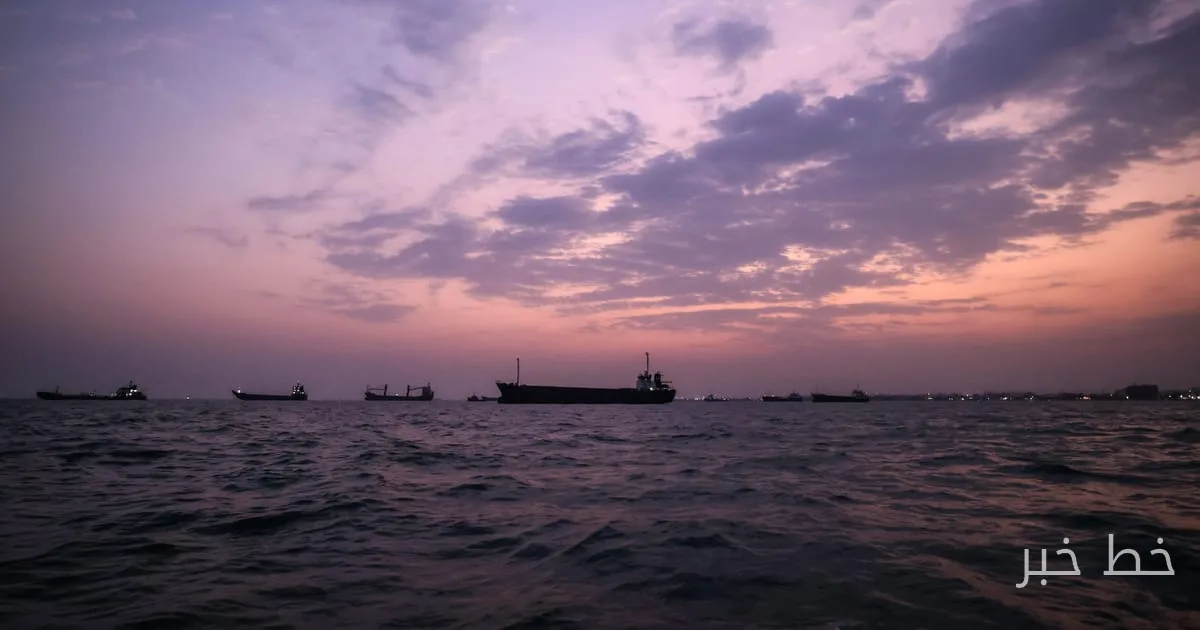
Abbas Araghchi, Iran's Foreign Minister, announced on Friday that his country is ready to reopen the Strait of Hormuz within seven days if the United States accepts the agreement. He made this statement to reporters on the sidelines of the United Nations General Assembly in New York.
Details of Iran's Proposal
Araghchi stated that Iran is willing to continue its nuclear negotiations and expects specific actions from the United States in return for this move. These actions include ending the maritime blockade of Iranian ports, lifting sanctions on Iran's oil sales, and establishing a ceasefire in Lebanon.
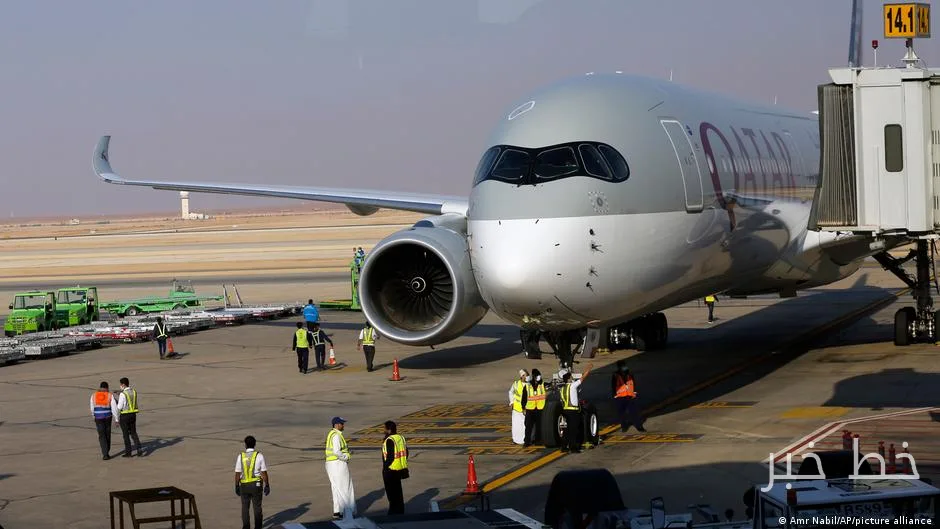
He also emphasized that the seven-day timeline for reopening the Strait of Hormuz will begin as soon as this plan is accepted by the United States. Araghchi stated that this proposal has been conveyed to the U.S. government through Qatar.
U.S. Reactions
Although Donald Trump, the President of the United States, has not yet officially responded to this proposal, reports indicate that he has privately rejected the plan. Trump is currently focused on escalating tensions with Iran and is likely seeking to increase pressure through threats of new airstrikes after the midterm elections in November.
On Friday night, Trump shared a map of the region on the social media platform Truth Social, referring to the Strait of Hormuz as "Trump's Strait." This action by Trump reflects new developments in U.S. policies towards Iran.
Importance of the Strait of Hormuz
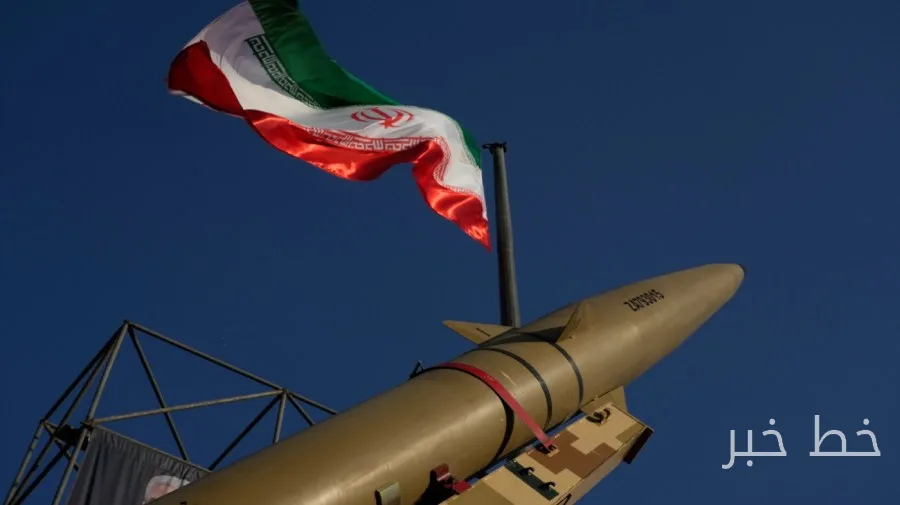
The Strait of Hormuz is one of the most important routes for the transportation of oil and natural gas and has become a flashpoint since the beginning of the U.S. and Israeli war against Iran in February. Reopening this strait could have significant impacts on the global oil market and reduce existing tensions in the region.
Given the current situation, reopening the Strait of Hormuz and resuming nuclear negotiations could be seen as a turning point in Iran-U.S. relations. If this agreement is reached, it may lead to a transformation in the security and economic outlook of the region.