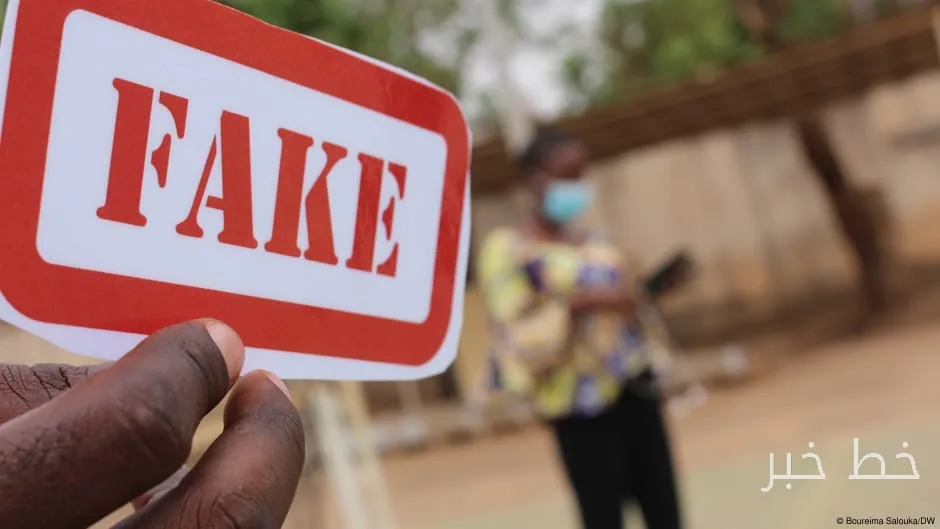
African governments need to take more serious action against sources of misinformation and misleading information. Dani Madrid-MoraLES, a journalism professor at the University of Sheffield, believes that very few countries are currently succeeding in this area.
The Danger of Misinformation for Democracy
Misinformation poses a serious threat to democracy globally. Exaggerated messages on WhatsApp, manipulated videos on TikTok, and fake news alerts on Facebook can mislead people in Africa and beyond, especially ahead of elections.
Read more: Greg Stanton reported on the inability of U.S. Homeland Security agents
Madrid-MoraLES points out that while some African countries are working to equip people with the skills to identify and combat fake news, others are instead engaging in the dissemination of misinformation rather than fighting this phenomenon.
Social Initiatives and Combating Fake News
In South Africa, organizations like Africa Check and Africa's media watchdogs are collaborating to highlight the impact of fake news on elections. However, these initiatives are primarily focused on combating misinformation during elections and lack funding and engagement with civil society at other times.
Madrid-MoraLES identifies three types of misinformation: scams, foreign influence operations, and political misinformation campaigns. He emphasizes that governments are particularly attentive to the third category, namely political campaigns, which are prevalent in various regions like the Sahel.
In Burkina Faso and Mali, military governments shut down media outlets and pursue journalists to silence the voice of free expression. These governments are mainly concerned with preventing the dissemination of negative or false information about themselves.
At the same time, foreign powers also play a significant role in shaping public attitudes across the African continent. A study by the Afrobarometer research network shows that over 60 percent of respondents have a positive view of China's political and economic influence.
Nevertheless, in some countries, media development projects exist to educate people and encourage independent thinking. For example, in Ghana, the NGO Pen Plus Bytes has launched the "Caravan of Hope" project, which, with the support of development organizations, provides media literacy training to rural communities.
Read more: To prevent abuse, Congress must rewrite laws related to license plate readers · Midterm election results have generated hopes