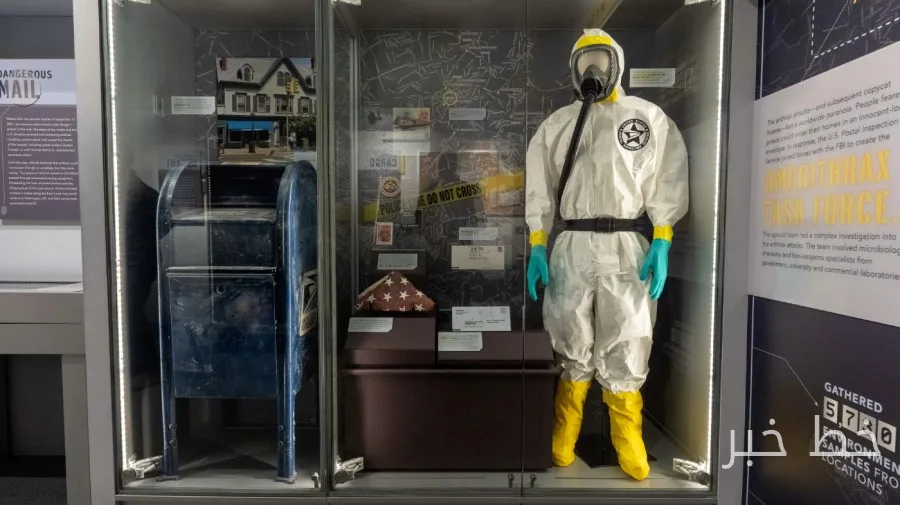
Twenty-five years have passed since the anthrax attacks, and it seems we are still unprepared for biological warfare. Whenever the country needs help, it comes from a government that has clearly demonstrated its inability to provide essential services.
Worrying State of Preparedness
The anthrax attacks in 2001 sounded the alarm for the government and health institutions. At that time, many people believed that this event was just an unfortunate incident and that soon, with scientific and health advancements, the country would achieve complete security. However, now, two more decades have passed, and signs of incapacity in managing biological crises are still evident.
Health and government organizations have focused more on everyday and non-essential issues instead of strengthening infrastructure and preparing to face biological threats. While climate change and the spread of diseases are increasingly on the rise, we continue to wait for real and effective actions to be taken.
Responding to Biological Crises
Biological attacks can have devastating consequences for society. With growing concerns about new viruses and bacteria, serious questions arise about the government's ability to respond to such crises. Do the relevant authorities currently have a comprehensive plan to manage and control these threats?
The reality is that we are in a dangerous situation. Undoubtedly, if we face another biological crisis, citizens must ask themselves whether the government responsible for their protection is truly capable of fulfilling this duty.
It is hoped that these warnings will serve as a wake-up call for officials and government institutions to take effective measures in their efforts to improve preparedness against biological warfare.