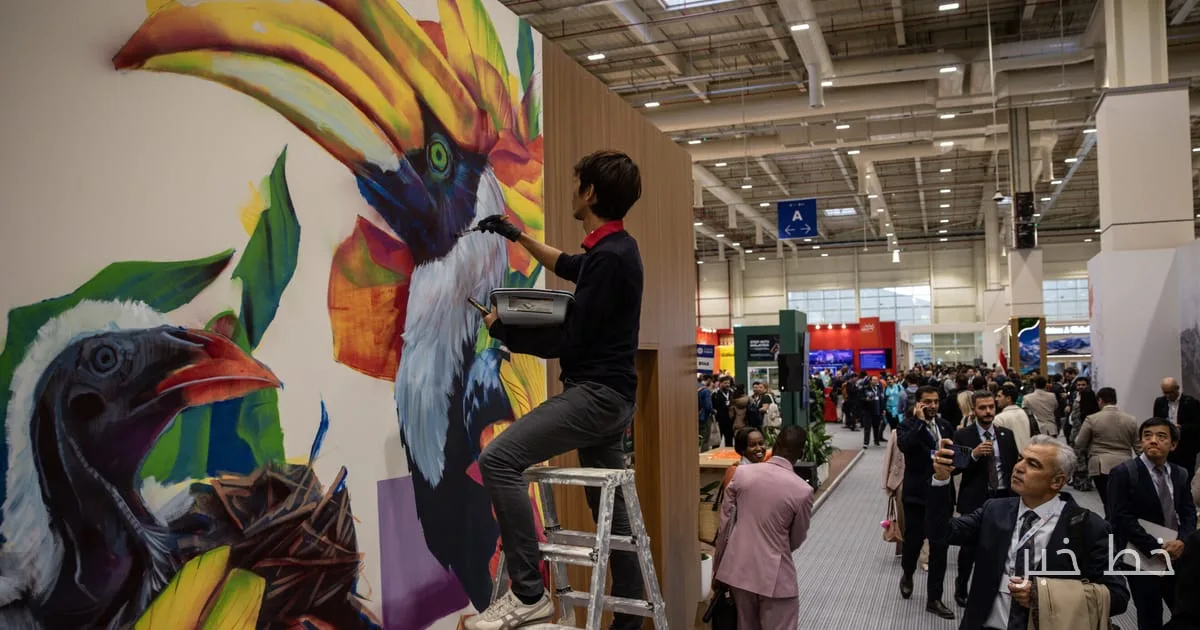
The United Nations climate conference in Antalya, Turkey, has begun amid uncertainty regarding the main goal of the summit. The host country, Turkey, held a ministerial meeting on Tuesday to showcase initial support for its proposed goal of increasing the share of electricity in global energy consumption to 35 percent by 2035.
Limited Support for the 35x35 Goal
However, only a few countries have explicitly supported this goal, and many major economies and significant greenhouse gas producers have remained silent on the issue. A diplomat from a developed country stated that currently only twelve countries are ready to sign on to this goal.
Read more: Greg Stanton Takes Action to Reduce Methane Emissions in Rice Agriculture
Concerns About Financing and Alignment with Carbon Reduction Goals
This weak support comes as presidents and prime ministers have traveled to Antalya for the summit of leaders on Wednesday and Thursday. In the margins of the summit, negotiators expressed concerns about the alignment of this goal with carbon reduction efforts, the need for financial assistance to achieve it, and the necessity of a new target.
Adão Soares Barbosa, the climate representative of Timor-Leste and chair of the Least Developed Countries (LDC) group, said at a press conference: "In terms of electrification, the goal is clear, but how can we move forward collectively?" He emphasized the need for financial support from all countries.
Explicit support has been limited to a number of developed countries, island nations, and governments hosting current or future climate conferences. Countries like Germany, Norway, and Ethiopia, which are hosting COP32 next year, have publicly supported this goal.
Meanwhile, Vanuatu's climate minister, Ralph Regenvanu, stressed that this goal should clarify that electrification must only come from renewable energy sources. He stated: "We support this goal, but only if electrification comes from renewable sources."
Pakistan's climate minister, Musadik Masood Malik, also stated that his country "welcomes" this goal but emphasized that it should not pressure governments.
Brazil, which hosted the climate conference last year, has only offered mild support for this goal. Brazil's climate minister, João Paulo Ribeiro Capobianco, said at a press conference that a combination of biofuels and electrification is the best way to achieve this goal in Brazil.
Turkey's conference presidency spokespeople did not respond to questions, and the co-hosts of COP31, who are leading the formal negotiations at the conference, are currently considering how to incorporate the electrification issue into the final decision text.
The director of the International Energy Agency, Fatih Birol, urged countries to support this goal, stating: "If this goal is signed by many countries, it will be a clear signal to markets and investors that electricity is the future."
Read more: Matt Riggers Introduces New System for Managing Food Waste · European Union Commits to Global Electricity Increase Goal at COP31