On November 17, 2026, America officially lost its measles-free status after 26 years. The Pan American Health Organization (PAHO) announced that this situation occurred due to an outbreak of a strain of the measles virus in the country. At the same time, Mexico and Bolivia have also experienced similar situations.
Brazil's Experience in Fighting Measles
Brazil lost its measles-free status in 2019 after recording over 21,000 cases of measles. However, over the next five years, especially during the COVID-19 pandemic, the country managed to regain its measles-free status and has been continuously measles-free since 2024. In 2026, Brazil recorded only 70 cases of measles, all linked to imported infections from abroad.
Brazil's Measures to Combat Measles
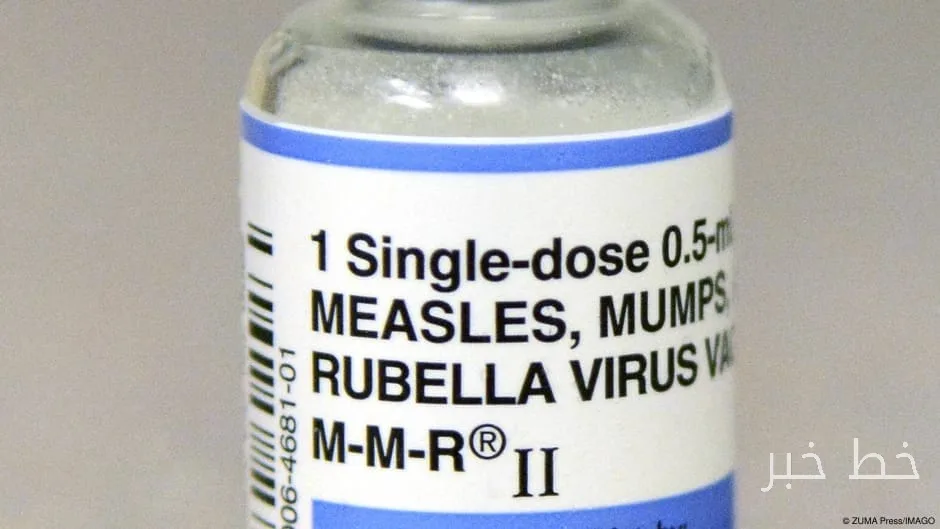
Brazil quickly responds to suspected measles cases. The Pan American Health Organization urges countries to respond to suspected cases within 72 hours. Brazil also has a program called "Dias" where health workers visit homes, schools, and churches to identify individuals who may be ill. Additionally, Brazil holds mass vaccination days called "Diad." In 2026, the country provided over 16 million doses of measles vaccine and donated 500,000 doses to Peru.
However, Brazil still faces challenges. According to official estimates from the World Health Organization, only 76 percent of children received both required doses of the vaccine in 2025, which is clearly below the 95 percent target. This vaccination shortfall has raised concerns among experts as measles is a highly contagious disease, and to prevent outbreaks, the community needs to achieve vaccination coverage close to 100 percent.
The U.S. government also faced over 5,400 cases of measles in 2026, more than double the number of cases in 2025 and about 19 times that of 2024. The majority of those infected with measles were either unvaccinated or had an unclear vaccination status. Former U.S. President Donald Trump signed a new executive order in August 2026 for vaccination recommendations for children, but the overall stance of the government on vaccination remains unclear.
Overall, the decline in vaccination rates in the United States and other countries around the world, particularly in Europe, has led to an increase in measles cases. This serves as a serious reminder that collaboration and ongoing attention to vaccination are necessary to prevent the spread of diseases like measles.
Read more: America Ends Its Measles-Free Status