Anthropic has issued a new report warning that AI malware can infiltrate connected home devices and automatically copy itself to other devices. This report examines the risks posed by the presence of connected devices in homes, which have become common in many households today.
Increase in Use of Connected Devices
Recent research shows that nearly half of households in Germany use "smart home" applications, and this figure is on the rise. Devices such as robotic vacuum cleaners and smart bulbs are examples of these technologies that easily communicate with each other.
Risks Posed by AI Malware
Common malware that can copy itself is known as worms and typically exploits security vulnerabilities. However, AI malware can be significantly more complex and dangerous. This type of malware can independently solve problems and adapt to various devices, even if the operating system or memory is limited.
Anthropic's research showed that an AI model could easily infiltrate a device and copy itself. In one experiment, this model was able to penetrate eight target devices in four out of five attempts.
This malware can quickly adapt to unknown environments and learn to bypass security measures. The ability of this malware to create a large botnet of infected devices raises further concerns.
Recent Cyber Attacks in France
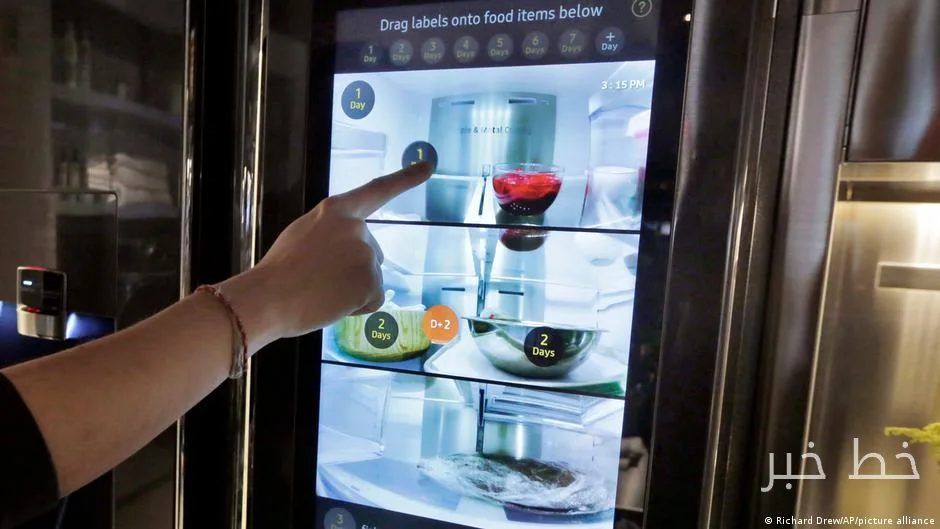
Recent cyber attacks on refrigerator and freezer control systems in France demonstrated the serious impacts of such threats. In these attacks, the temperature in these devices reached 50 degrees Celsius, leading to food spoilage and other damages. The French Cybersecurity Agency, CERT-FR, has confirmed that remote control systems were disrupted, and investigations are ongoing.
Anthropic believes that smaller AI models may soon reach a level of capability that allows them to expand in the real world.