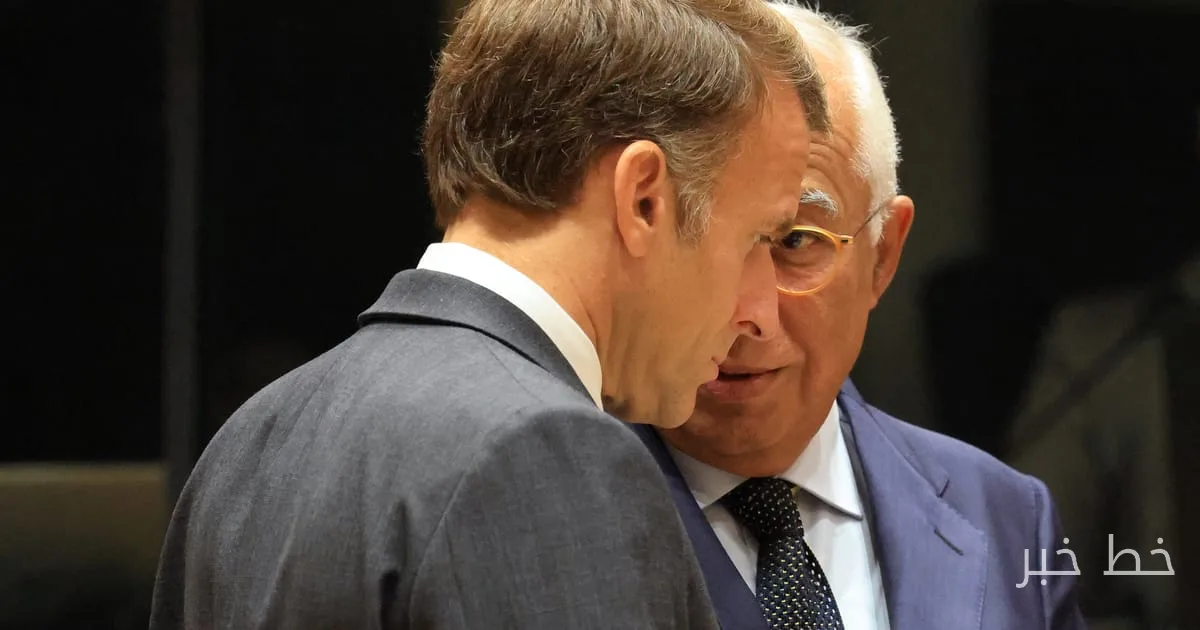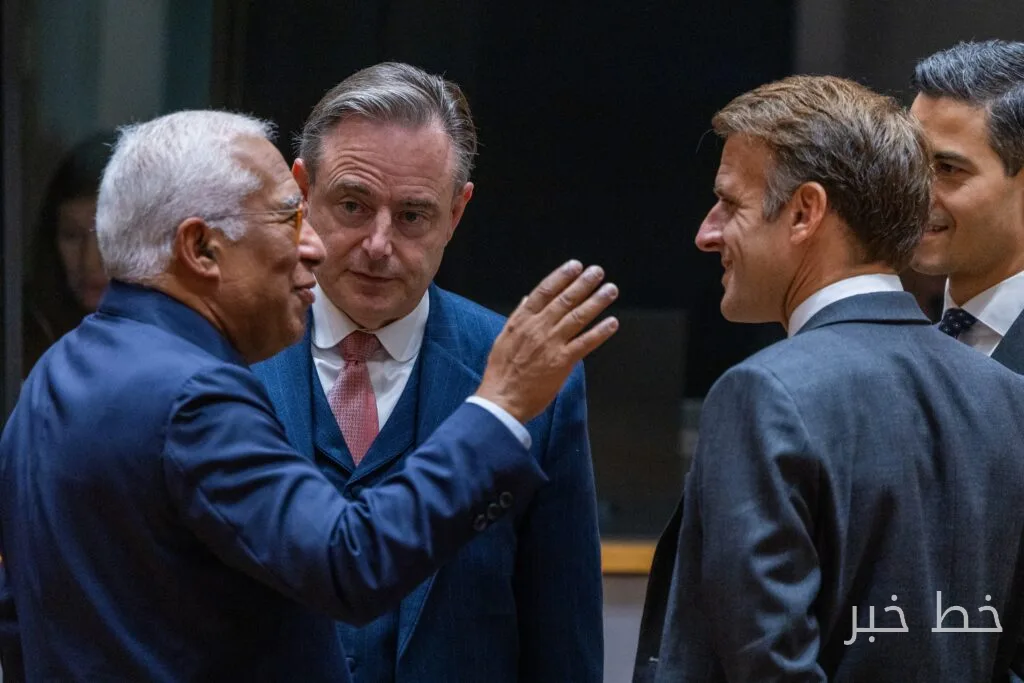
Antonio Costa, President of the European Council, will hold an additional meeting on November 26 to finalize the agreement on the seven-year EU budget. This decision was announced on the first day of the two-day EU leaders' summit in Brussels, aimed at resolving existing disputes and preparing for a final agreement in December.
Pressure to Finalize Negotiations
Costa warned leaders that if negotiations do not reach a conclusion by the end of the year, it could have negative impacts on payments to farmers and researchers. He emphasized that delays in the agreement could push payments to after January 1, 2028, when the new budget is set to come into effect.
If an agreement is not reached in December, elections in France, Italy, and Poland in 2027 could delay negotiations until May or even October 2027. This has raised serious concerns among leaders, and Costa is seeking ways to bring the parties' positions closer together.
Support for Costa's Plan
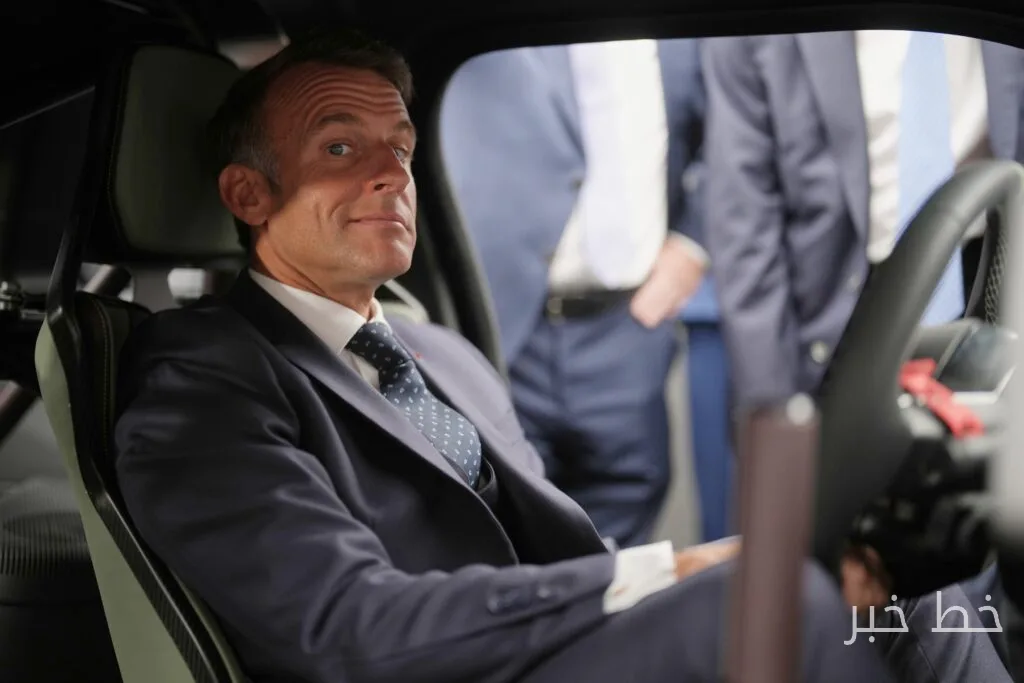
Significant support for Costa's plan was received on Thursday from Emmanuel Macron, the President of France. Macron told his counterparts that he cannot have the political mandate to sign the agreement on the eve of the French presidential elections in April 2027. This new position from France, which previously showed little willingness to adhere to the year-end deadline, has put more pressure on governments to advance negotiations in the coming weeks.
However, some diplomats are skeptical about Macron's good intentions. Marion Le Pen, the leader of the French right, recently called for a halving of France's contribution to the EU budget if she wins the presidential election.
Challenges Ahead
Costa finds himself in a position where he must balance complex domestic policies across Europe and the hardline stances of the 27 EU leaders. The so-called "frugal countries," which are seeking significant cuts to the budget, including Germany, the Netherlands, Austria, Sweden, Denmark, and Finland, have publicly stated that Ireland's proposal worth €159 billion for cuts is insufficient.
However, behind closed doors, the hardliners have adopted a more conciliatory tone. Friedrich Merz, the Chancellor of Germany and informal leader of the frugal countries group, stated that the Irish proposal brings progress, although more cuts are still needed.
On the other hand, Pedro Sánchez, the Socialist Prime Minister of Spain, who is trying to stay in power in the November 29 elections, believes that the budget is too small and needs to be increased.
Costa has also promised to make progress on EU-wide taxes or its own resources to fund the next seven years in order to bring the parties closer to an agreement. He will address proposed taxes by the European Parliament on crypto companies, online gambling, and tech giants, as well as a Greek idea for allocating future sales from the 6G spectrum to the EU budget.
However, given the level of opposition, reaching an agreement among EU countries on this matter will not be easy. One diplomat stated, "It is time to face reality and work on what is reasonable and possible, not on unrealistic wishes."
Read more: EU Leaders' Summit Will Focus on Economic Challenges · Antonio Costa Faced Severe Criticism at EU Leaders' Summit