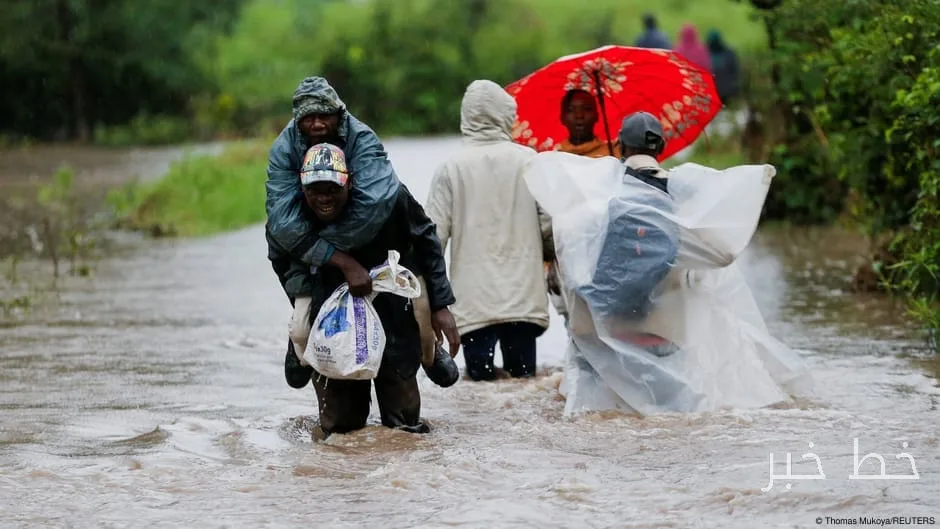
Antonio Guterres, the Secretary-General of the United Nations, emphasized the need for climate change financing in Africa at the start of the COP31 conference. He stated that developing countries face a dual challenge: on one hand, they are the most affected by climate change, and on the other hand, they struggle to access the necessary financial resources.
Severe Impacts of Climate Change
Climate change is no longer an abstract concern and has impacted the daily lives of millions in the African continent. In Zimbabwe, Tsitsi Moyo, a resident of Harare, says that the extreme heat wave and changing rainfall patterns are clearly visible. In Uganda, Jane Okullo is also facing similar conditions and complains about unpredictable weather fluctuations.
Read more: The COP31 Climate Conference in Antalya Ends Without Agreement
These changes affect communities that rely on specific seasons for agriculture and water supply, presenting them with serious challenges for future planning. These climatic pressures also impact migration patterns, forcing many individuals to leave their homes.
Challenges of Financing and Natural Resources
African countries are currently facing financial challenges to meet their climate commitments. According to statistics, Africa received only about $52 billion in climate funding in 2022, while the continent's annual needs are estimated at $190 billion. Moreover, most of these resources are provided as loans, which places additional pressure on taxes and public resources.
African countries are calling for predictable financing and easier access to resources to help communities adapt to severe climate changes and sustain their livelihoods.
At this conference, Veronica Nunehlanla Jaggarasi, the chief negotiator for the African negotiating group, emphasized the need to create financial mechanisms to turn climate plans into actionable projects. She stated, "What we need is an operational reduction facility that converts African proposals into financing and real projects."
Read more: Unprecedented Disruption in the Polar Vortex May Affect Winter in the Northern Hemisphere · Andy Burnham Emphasized the Need for Access to Green Technologies at COP31



