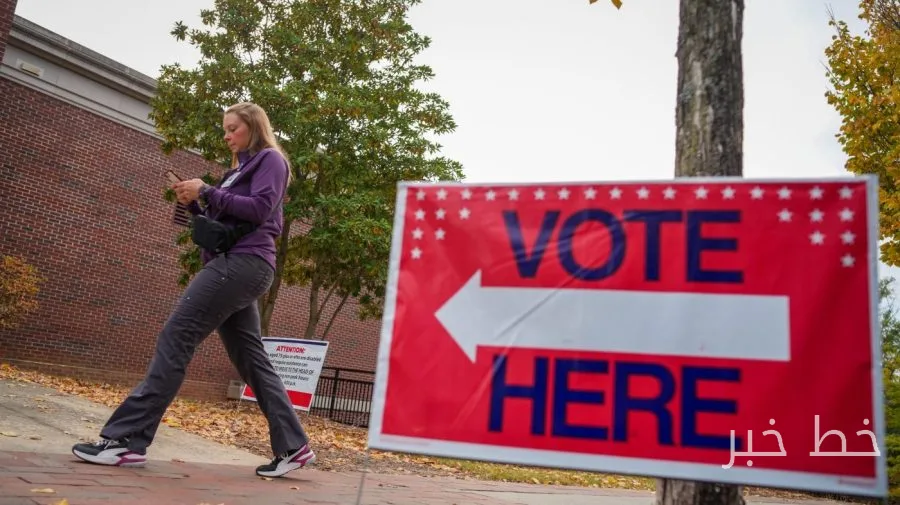
Artificial intelligence companies are under pressure to prevent the spread of misinformation on the eve of Election Day. These pressures stem from growing concerns about the impact of misinformation on the electoral process and public decision-making. Especially in recent years, we have seen an increase in the use of artificial intelligence technologies in content creation and distribution, which can easily lead to the spread of misinformation.
Challenges and Concerns
On Election Day, the accuracy and reliability of information are critical. Artificial intelligence companies, particularly those involved in content creation, are under intense scrutiny. These companies must ensure that their algorithms do not disseminate misinformation and do not mislead voters. Additionally, while many of these companies are trying to use advanced technologies to identify and remove misinformation, they face numerous challenges.
Read more: Cyberattacks on Supermarket Refrigerators in Belgium, Sweden, and Luxembourg
Preventive Measures
Artificial intelligence companies are taking preventive measures to mitigate the risks associated with misinformation. These measures include improving algorithms, collaborating with regulatory bodies, and utilizing human resources to monitor published content. These companies are also developing tools that enable users to identify misinformation and easily access credible sources. In this regard, promoting media literacy is also considered a long-term solution.
Overall, the artificial intelligence industry is striving to cope with existing pressures and ensure that its products do not contribute to the spread of misinformation. These concerns become particularly pronounced on the eve of Election Day, as the accuracy and reliability of information are of utmost importance on this day.
Read more: European Supermarkets Targeted in Cyberattack · U.S. Midterm Elections to be Held on November 3