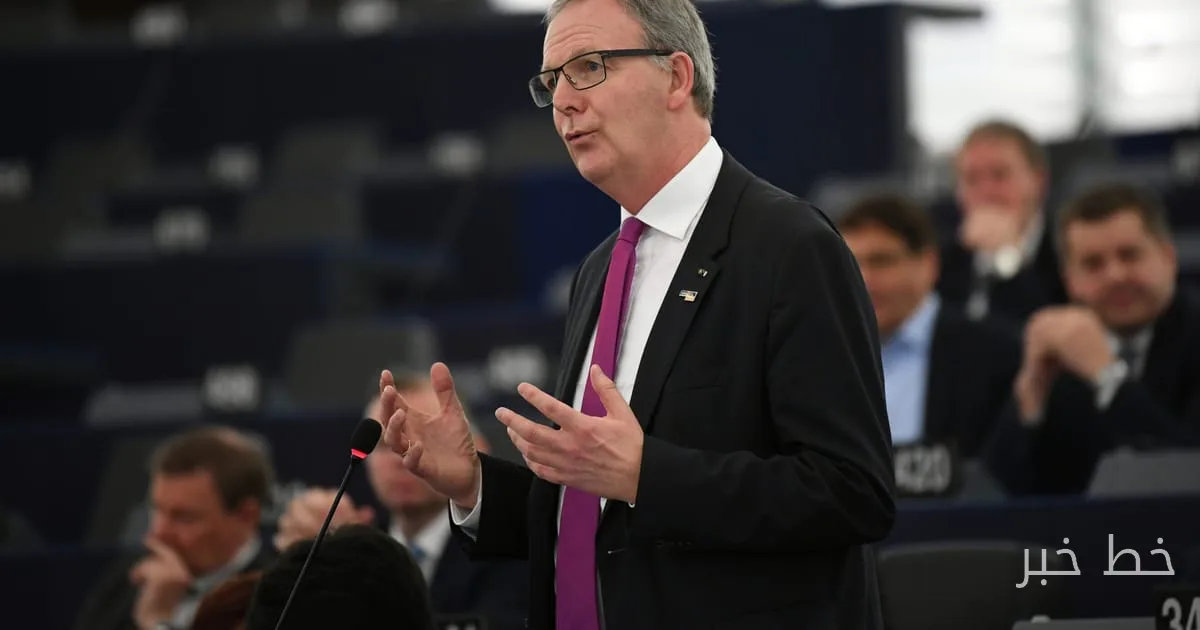
Axel Voss, a key conservative lawmaker in Germany's technology policy, recently criticized the European Commission's performance in the field of artificial intelligence, stating that the body has failed to keep pace with rapid developments in this area. In an interview, he expressed that the working methods of the European Commission are generally unsuitable for addressing rapid changes in technology.
Criticism of AI Regulation Implementation
Voss, who is a supporter of Ursula von der Leyen, the President of the European Commission, in the European Parliament, criticized the way the Commission is implementing AI regulations. He specifically referred to recent AI hacking incidents that involved the illegal entry of OpenAI-based agents into the AI company Hugging Face. Voss emphasized that the implementation of new AI regulations, set to come into effect in 2024, has not reached an acceptable level.
Read more: Australia Condemns OpenAI's Unacceptable Violation in Health Database
Need for More Regulation
Voss also pointed out the necessity for more regulations regarding the responsibilities of AI companies in the event of damage, stating, 'The issue of AI liability should have been addressed from the beginning.' He noted that this issue could have widespread implications for all companies.
Voss's remarks highlight the shortcomings in the European Commission's response to rapid technological developments, especially as the Commission President, von der Leyen, did not adequately address digital issues in her annual speech last week. Voss, a member of the Christian Democratic Union of Germany (CDU), stated that the Commission and her annual speech regarding the state of the European Union in terms of digital developments are insufficient.
Reports indicate that some other members of the European Parliament have also proposed adding product liability provisions to AI regulations to fill the gaps in existing AI law.
Read more: Xi Jinping Reminded Two Major Countries of Their Responsibility to Control Artificial Intelligence · The White House Asked OpenAI and Anthropic Not to Provide Their New Models to the UK