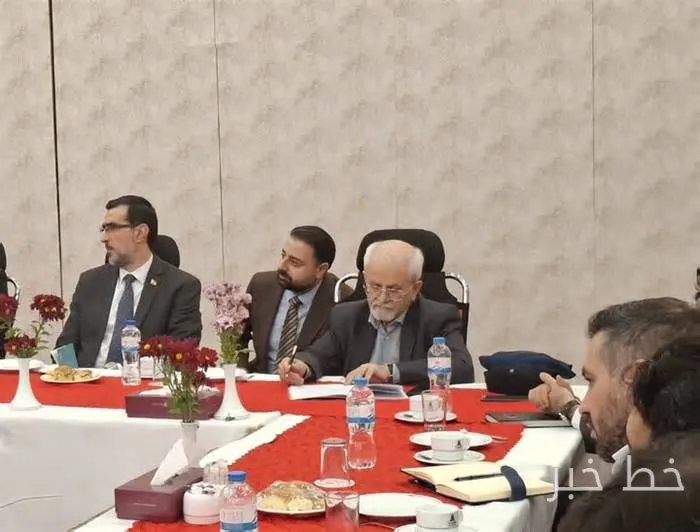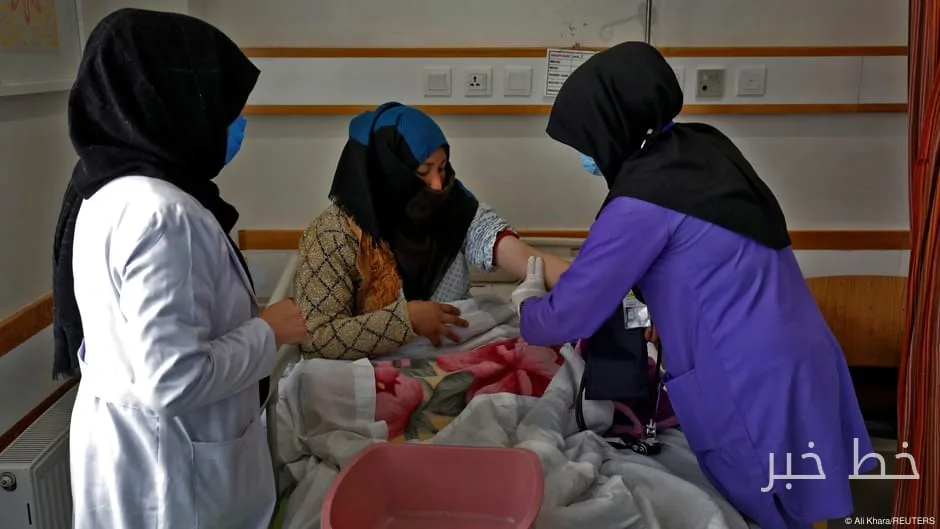
The ban on treatment of women by male doctors has become a serious problem in many areas of Afghanistan controlled by the Taliban. This situation is vividly depicted in a report by the United Nations that illustrates the harsh and difficult reality many women are facing.
Lack of Medical Care for Women
In one case, a woman from Kunar province spoke about her difficulties in accessing medical care after several miscarriages. This case represents the increasing number of pregnant women who urgently need medical assistance but cannot access it due to the restrictions imposed by the Taliban.
Read more: New research examined the status of scientific interactions of the country's top universities
Overall, women in Afghanistan are increasingly losing access to essential health services. This issue stems from Taliban restrictions and a decrease in international financial aid. Tamana Zaryab Pariani, an Afghan women's rights activist, stated: "If a pregnant woman dies due to the prohibition of male doctors, her husband can marry a younger woman. This is the Taliban's mindset."
Social and Political Impacts
Zaryab Pariani, who has become one of the prominent voices of resistance against the Taliban, has a history of human rights activism. As a trained lawyer and journalist, she participated in protests against the restrictions on women's and girls' rights after the Taliban regained power in August 2021. After her and her sisters' arrest by the Taliban in Kabul, she managed to go to Europe and continue her international advocacy for Afghan women's rights.
At the end of October, she spoke at a United Nations Security Council session, highlighting the oppression of women in Afghanistan and urging the international community to prevent the normalization of this situation. She stated: "This is gender apartheid, and we expect the international community to recognize it and stand with Afghan women."
Since the Taliban's return to power, they have issued over 100 directives that severely restrict the lives of women and girls. Girls have been banned from higher education, and women have been deprived of access to universities. Additionally, job opportunities for women outside the home have drastically decreased.
According to reports from the United Nations Assistance Mission in Afghanistan (UNAMA), Taliban Ministry of Promotion of Virtue and Prevention of Vice inspectors have further restricted women's access to healthcare through the enforcement of regulations and directives. According to the United Nations report, approximately 2.6 million girls are deprived of higher education, which could lead to early marriages and increased maternal mortality.
Afghanistan, with a population of about 45 million and an approximate median age of 17 years, has one of the youngest populations in the world. About 42 percent of its population is under 15 years old. Haroon Matin, an international law professor at the American University of Afghanistan, says: "What is happening in Afghanistan goes beyond gender-based harassment and should be classified and prosecuted as an organized system of oppression and dominance of one gender group over another."
According to United Nations estimates, by 2027, over 4 million children under five years old and about 1.27 million pregnant and breastfeeding women will need treatment for acute malnutrition. Susan Ferguson, the United Nations Special Representative in Afghanistan, described the current situation as "the worst women's rights crisis in the world" and stated that Afghan women are now "fighting for their survival."
The decrease in humanitarian aid financial resources has forced organizations to make impossible decisions about which women and girls can receive support and which must be overlooked.
Read more: Generation Z in Germany has no path to their future · Hungary eases abortion laws