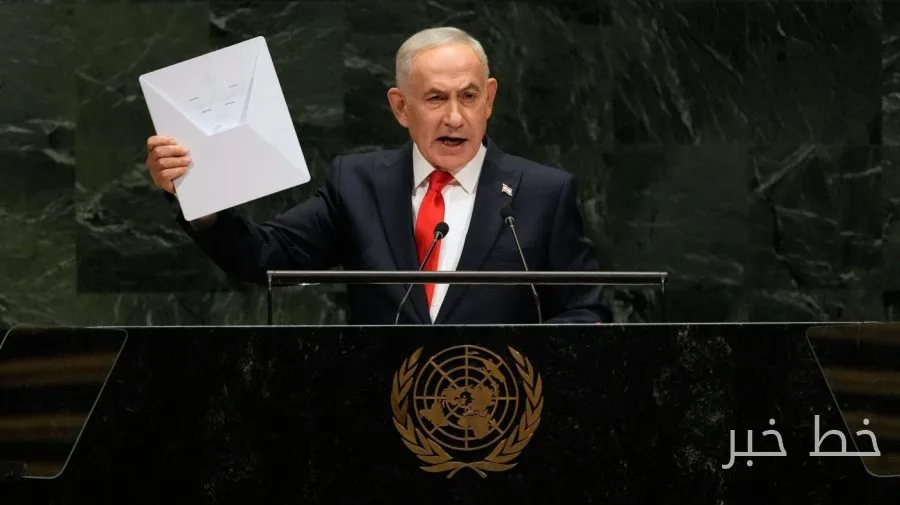
Benjamin Netanyahu, the Prime Minister of Israel, delivered a firm speech at the United Nations General Assembly, defending his country's actions against Iran and its proxy forces in the Middle East. This speech took place while several representatives from various countries walked out of the session.
Key Points of Netanyahu's Speech
Netanyahu emphasized in his speech that Israel will continue to combat threats posed by Iran. He referred to Israel's military actions in Lebanon and Syria, stating that these actions are necessary for the national security of his country. Netanyahu also responded to domestic and international criticisms of Israel's policies, saying that these criticisms come from those who do not have a proper understanding of the existing threats.
Consequences of Representatives' Exit
The exit of representatives from the session in response to Netanyahu's remarks reflects the existing tensions in international relations. Some countries have raised criticisms due to Israel's policies towards the Palestinians and military actions in neighboring countries. This exit could affect Israel's credibility in international forums and escalate tensions in the region.
Netanyahu's speech came at a time when he was under international pressure due to an arrest warrant issued by the International Criminal Court. This warrant was issued due to allegations related to war crimes against the Palestinians. Netanyahu stated that his country will never cease its fight against terrorism and will continue to protect its citizens.
Challenges Facing Israel
Israel's challenges are increasing, and Netanyahu is well aware of this issue. He must manage these challenges and continue his policies amid rising domestic and international criticisms. In this context, international support and cooperation with allies are also a priority for Israel.
Ultimately, Netanyahu's speech at the United Nations General Assembly reflects Israel's current strategy in facing regional threats and its efforts to justify its policies to the global community. This speech could be seen as a turning point in the history of Israel's international relations with other countries.