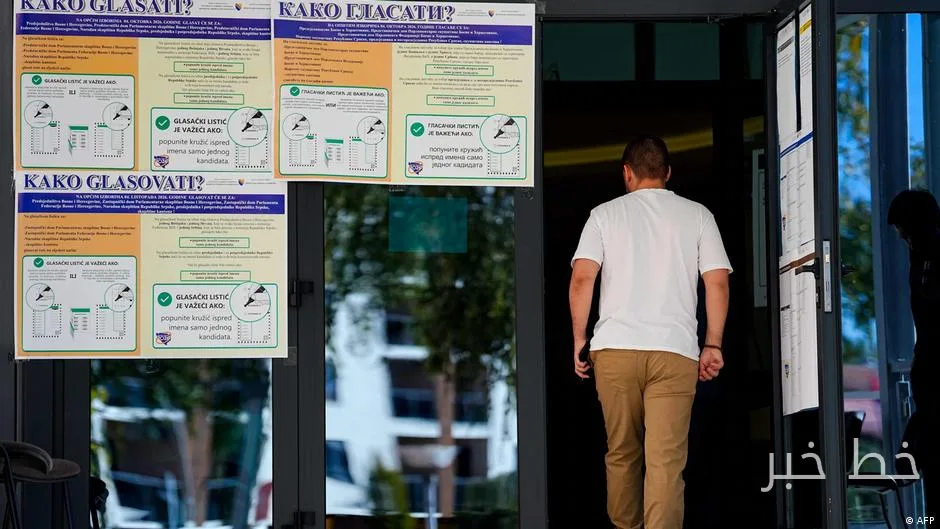
The elections in Bosnia and Herzegovina on October 4 were conducted using new technology aimed at ending electoral fraud. This technology included biometric fingerprint checks, which were used for the first time in this election. However, the results of this election did not change significantly from the past, and three nationalist parties achieved victory.
Low Turnout and Previous Frauds
The voter turnout in this election reached over 40 percent, the lowest level since the end of the Bosnian war in 1995. This decrease in participation was due to the inefficiency of old fraud methods, including voting in the names of deceased individuals. In previous elections, rumors had circulated about voting in the names of people who were dead or had emigrated abroad.
Victory of Nationalist Parties
Despite the new technology, nationalist parties still emerged victorious in this election. The SNSD party among Serbs, the SDA party among Bosniaks, and the HDZ BiH party among Croats achieved success. Milorad Dodik, a powerful Serb politician, managed to maintain his influence in the Republika Srpska despite previous convictions and sanctions.
Dodik seeks to return to what he calls the "original Dayton," which means restoring power to the Republika Srpska and reducing the authority of the central government. In this election, opposition parties were unable to mount a serious challenge, and the low turnout favored the more organized parties.
Developments in the Federation of Bosnia and Herzegovina
In the Federation of Bosnia and Herzegovina, the parties known as the "Troika," which is a multi-ethnic political coalition, faced defeat. However, the largest Bosniak nationalist party, the SDA, won the most seats. Nevertheless, the party's leader, Bakir Izetbegović, lost in the presidential race, and the seat went to Denis Bećirović from the Social Democratic Party.
This election reflects the continuation of ethnic divisions in Bosnian politics, and while two women were elected to the presidency, analysts believe this should not be seen as a significant advancement in women's politics.