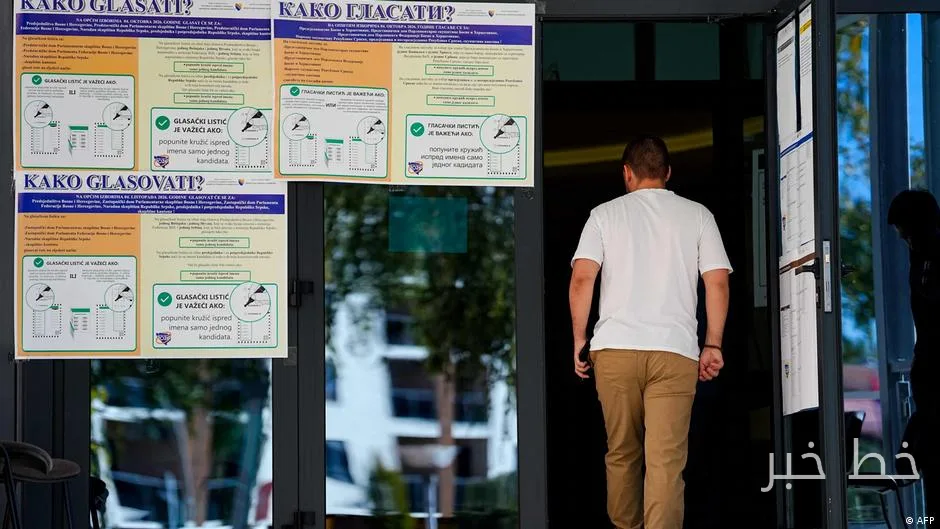
Bosnia and Herzegovina went to the polls on October 4, 2023, using a new technology aimed at ending years of electoral fraud. In the past, political interests, especially during elections, frequently influenced the voting in favor of nationalist parties such as SNSD, SDA, and HDZ BiH through voting in the names of deceased individuals or those who had left the country.
Decline in Participation and Use of Biometric Technology
Participation in this election was just over 40 percent, marking the lowest level since the end of the Bosnian War in 1995. This decline was attributed to the ineffectiveness of previous fraudulent voting methods. In previous elections, there were reports of voting in the names of deceased individuals or multiple voting. However, in this election, each polling station used biometric fingerprint checks, which brought greater transparency to the voting process.
Victory for Nationalist Parties and the Return of Milorad Dodik
Despite this new technology, the election results indicated the continued dominance of nationalist parties in the country. The three nationalist parties, namely SNSD among Serbs, SDA among Bosniaks, and HDZ BiH among Croats, achieved victory. Milorad Dodik, a powerful Serbian politician who had previously been removed from office for violating international laws, made a political comeback with the victory of his SNSD party. He quickly announced that he would seek to restore what he calls the 'original Dayton.' This plan includes reducing the powers of the central government and returning responsibilities to the Republic of Srpska.
Future Challenges and the Status of Parties
The opposition party was unable to seriously challenge the ruling parties in this election. Opposition parties failed to capitalize on the low voter turnout due to a lack of cohesion and a compelling message. Many voters who opposed Dodik had no option to support and most of them stayed home.
In the Federation of Bosnia and Herzegovina, the parties known as the 'Troika,' which is a multinational and liberal political coalition, were defeated. Nationalist parties continue to hold power in this region, and while SDA gained the most seats, the leader of this party, Bakir Izetbegović, lost in the race for the presidency.
The results of this election reflect the continuation of political and social trends in Bosnia and Herzegovina, where nationalist parties are currently in the spotlight and there is no discussion about keeping people in the country.