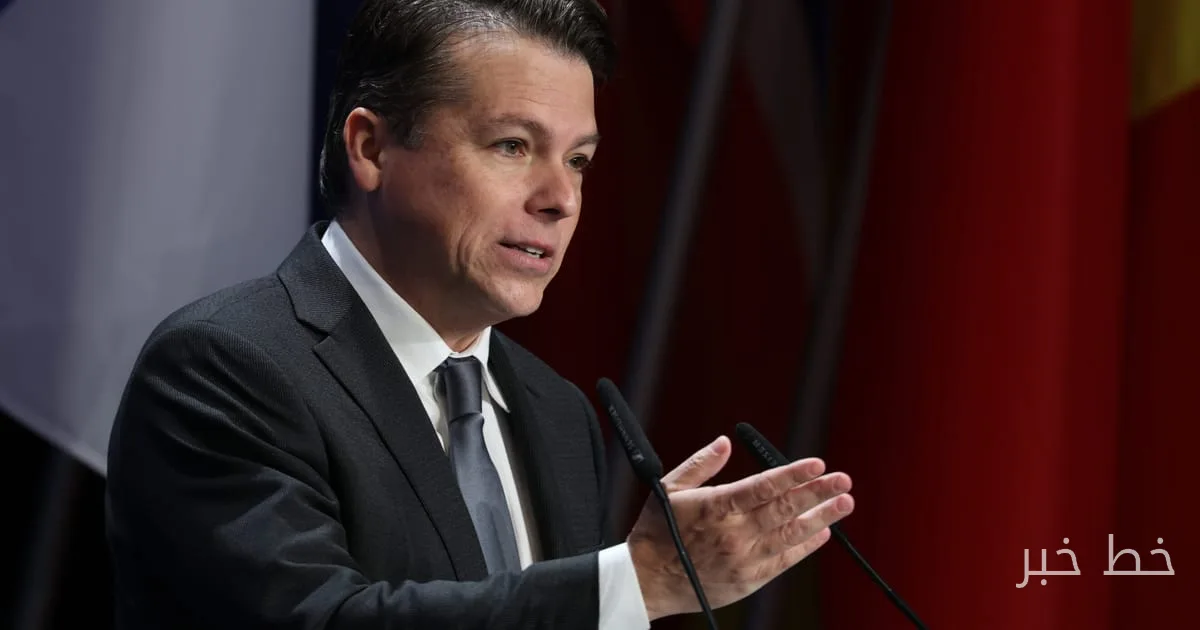
Brendan Boyle, a Democratic Congressman from the United States, has urged the European Union not to cut defense spending in its upcoming seven-year budget. He made this request while European leaders are trying to reach an agreement on a budget of nearly €2 trillion.
Warning About the Threat from Russia
Boyle, who will chair the Congressional Budget Committee in 2027, emphasized that Russia is a "massive threat" to Europe and stated that the bloc must continue to increase defense spending. In an interview, he said: "This is not the right time to cut back," referring to the five-year anniversary of Russia's full-scale invasion of Ukraine.
Read more: Democratic Party Holds 12 Primary Debates and Calls for Commitment Against Dark Money
European Elections and Defense Budget
Boyle was recently elected as the President of the NATO Parliamentary Assembly, which includes representatives from 32 member countries of the alliance. His statements come as EU leaders prepare to discuss the upcoming seven-year budget at a summit on Thursday and Friday. The latest draft of the defense budget presented by Antonio Costa, President of the European Council, includes cuts of tens of billions from the previous proposal by the European Commission, which has angered some member states.
Boyle also expressed satisfaction that all NATO members are now spending more than the 2% GDP target set at the Wales summit in 2014. He said: "I’m glad that this number is considered a floor and not a ceiling anymore." He also pointed to similar budget constraints that European governments are facing.
Development of the Defense Industry in Europe
Boyle stated that the development of the European defense industry, after years of reliance on American weapons, is a positive point for the NATO alliance, but he warned against breaking this dependence too quickly. He noted that EU countries currently allocate only about 15% of their defense procurement budget to European-made equipment, while the Commission has called for this amount to be increased to at least half by 2030.
He said: "Where this becomes negative is if we suddenly move away from fully purchasing American systems. That would be a mistake."
Read more: Carles Puigdemont Announces Date of Return to Spain · Margus Tsahkna Announces Estonia's Decision to Close Border with Russia