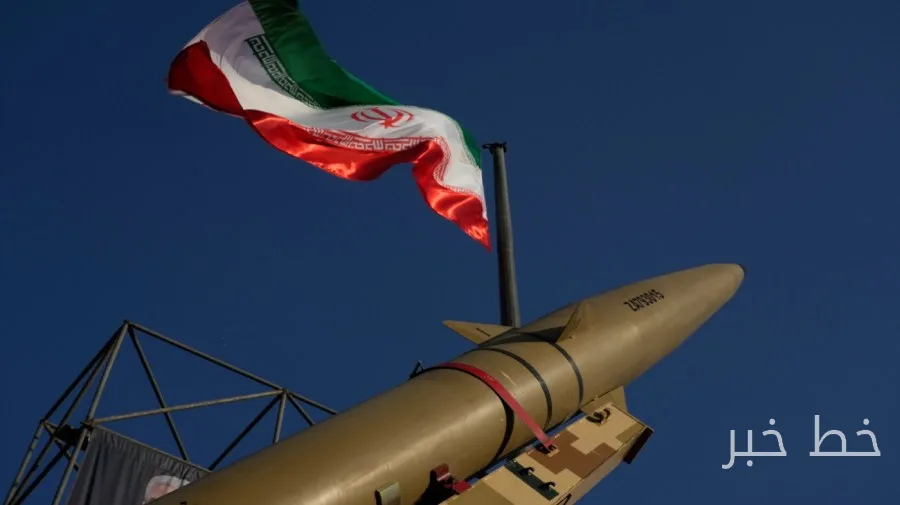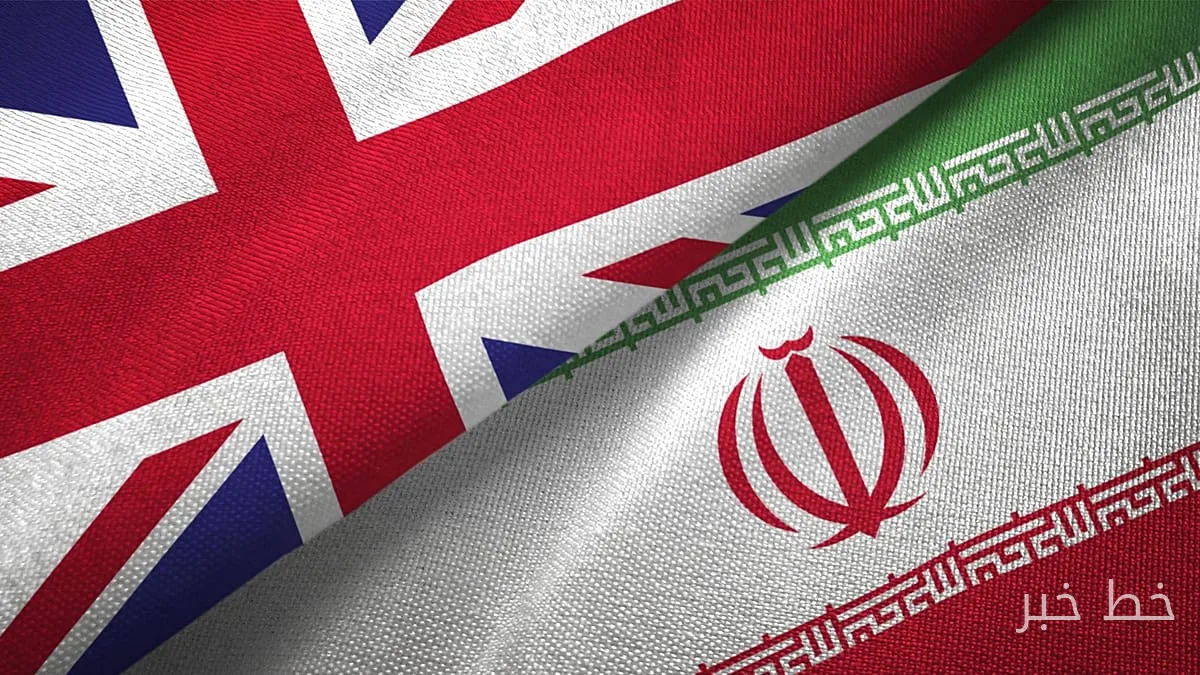
On Tuesday, Britain demonstrated its determination to impose stricter sanctions against Iran with the introduction of new laws. This action comes at a time when tensions between the two countries have reached their highest point, with Iran's nuclear issues and regional activities at the forefront of attention.
New Sanctions and Their Objectives
According to the new laws, Britain aims to limit Iran's access to financial resources and sensitive technologies. These sanctions include new restrictions on the export of goods and services to Iran, with the main goal of reducing Iran's ability to advance its nuclear and military programs.
This decision has been made in response to increasing concerns about Iran's nuclear activities. British officials have emphasized that these sanctions will be used as a tool to pressure Tehran to return to the negotiating table and adhere to international agreements.
Iran's Reaction and the International Community
In response to these sanctions, Iranian officials have referred to them as a continuation of the West's hostile policies against their country and have stressed that these actions will only lead to increased tensions. They have also stated that they will resolutely continue their nuclear programs and will not accept any pressure.
The international community also has differing opinions on this matter. Some countries support Britain's action and consider it necessary for global security, while others believe that such sanctions will only lead to further isolation of Iran and exacerbate crises.
Ultimately, given the current conditions and rapid developments in the region, it seems that Britain's new sanctions against Iran are merely a new chapter in the existing tensions and challenges in international relations.