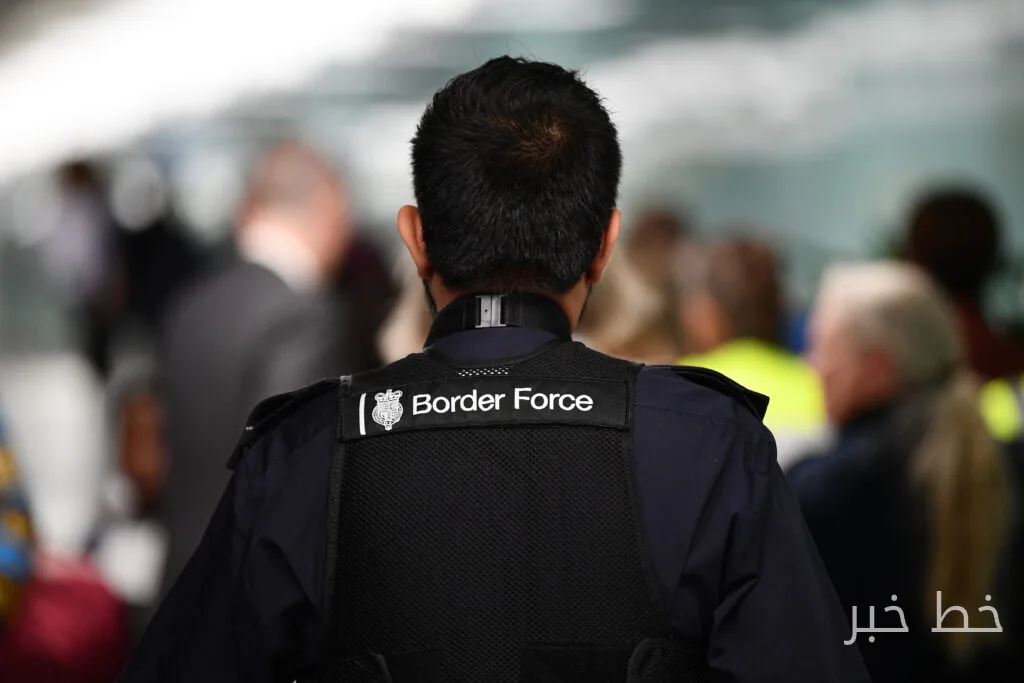
Britain is planning to release over 2,500 prisoners early by the end of this year. This action is aimed at reducing the overcrowded prison population in the country, and as a result, neighboring European countries are deeply concerned about the implications of this change.
Concerns of European Countries
Five European Union diplomats stated that their countries are particularly worried about this change, with some expressing that their citizens may be returned without any prior notice or communication to their country. One diplomat, who requested anonymity, said: "Sending criminals without any prior information is very risky." This issue could become another obstacle in Britain's efforts to reshape its relations with the European Union.
Britain is also expected to release another 700 individuals by October 1. From January 2027, the British government will also remove the requirement for foreign criminals to serve a minimum period in British prisons before their deportation.
Communication and Coordination Challenges
A spokesperson for the British government emphasized: "We will continue to work with our European partners on this issue. Very dangerous criminals are excluded, and if there is evidence of an individual's intent to commit future crimes, they will remain in prison." However, diplomats say that communications on this matter have been very limited.
The second diplomat said: "The British government always says it cannot inform us. There needs to be some kind of cooperation between police forces to inform us when someone is released. We need to be aware of this issue." Diplomats also expressed dissatisfaction with the lack of coordination among different sectors in this regard.
The third diplomat described the situation as "a difficult scenario" and stated that European capitals are concerned that newly released prisoners from British prisons could easily travel to their home countries' airports and move freely without any restrictions. They are seeking more information about the individuals being transferred, but it seems that Britain views this as a unilateral deportation.
Prison reform advocates say that many of these criminals will be deported at the end of their sentences anyway. The changes accelerate the timeline for when foreign criminals become eligible for deportation.
Mark Day, deputy director of the Prison Reform Foundation, said: "The decision on whether a prisoner should serve any type of prison sentence depends on the receiving country." According to him, some foreign nationals who are deported may not need to serve any kind of punishment.
Diplomatic and Commercial Implications
Currently, foreign nationals make up about 12 percent of the prison population in Britain. The largest groups include nationals from several EU countries, including Poland and Romania, as well as the EU candidate country, Albania. Under the post-Brexit trade agreement, there are mechanisms that allow Britain to inform the relevant country when a European citizen is convicted. The government is examining whether additional measures could help enhance public safety.
This issue is another test of the Labour government's commitment to restoring relations with its European allies, but the two sides have yet to agree on a specific date to hold a meeting. In the meantime, disputes continue over EU trade support and educational costs.
Ultimately, the second diplomat said: "If someone commits a crime after flying to any of the member countries, it could lead to a major diplomatic dispute. This undermines fundamental trust. How can one apologize to the British government for failing to inform us?"