Music is a unique art that has always played an important role in human life. In today's world, where technology and digitization are rapidly advancing, the question that comes to mind is whether authentic and traditional music can really be considered a source of income generation?
The Difference Between Digital and Authentic Music
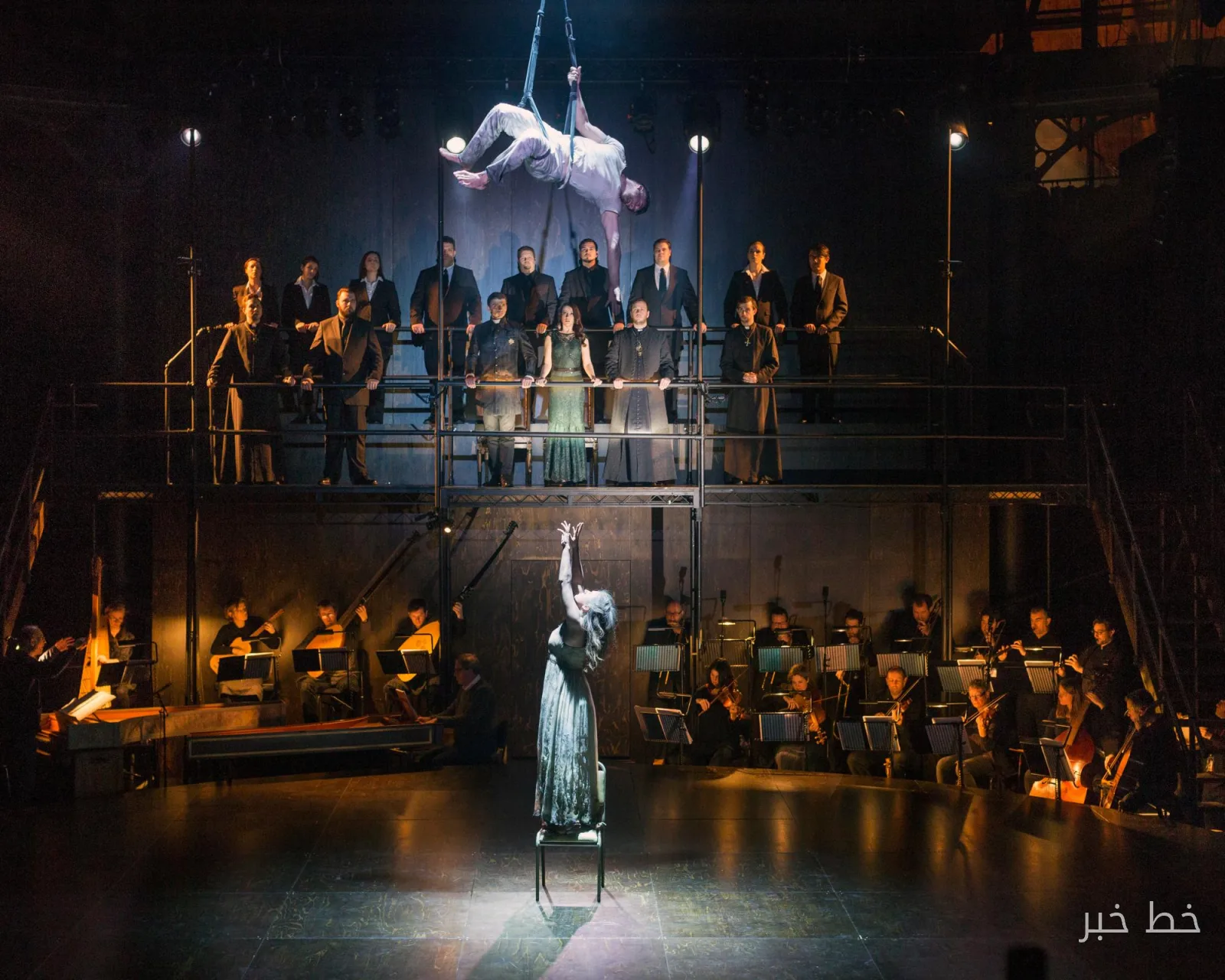
While many artists are moving towards producing digital music, there is still an art that returns to the depth of emotions and authenticity. Authentic music, not only as an art but as an emotional experience, can impact audiences and awaken deep feelings within them. These emotions are clearly seen in the works of local and traditional artists who create music using traditional instruments and old techniques that belong to a specific time and place.
The Financial Benefits of Authentic Music
Authentic music can serve as a sustainable source of income. This style of music is often of interest to tourists and enthusiasts of various cultures. Holding concerts, participating in cultural festivals, and even selling artworks can lead to significant income generation. With the expansion of websites and online platforms, artists can easily sell their works and connect with new audiences.
Moreover, authentic music can easily be used as a promotional tool for local products and services. For example, various brands can showcase their cultural identity through traditional music and thus attract more customers.
Ultimately, despite all the challenges and competition that digital music brings, the authenticity and emotions that traditional music offers can enable artists to succeed not only in the cultural arena but also in the economic sphere. Therefore, let us believe in the power of authentic music and utilize it as a valuable asset.