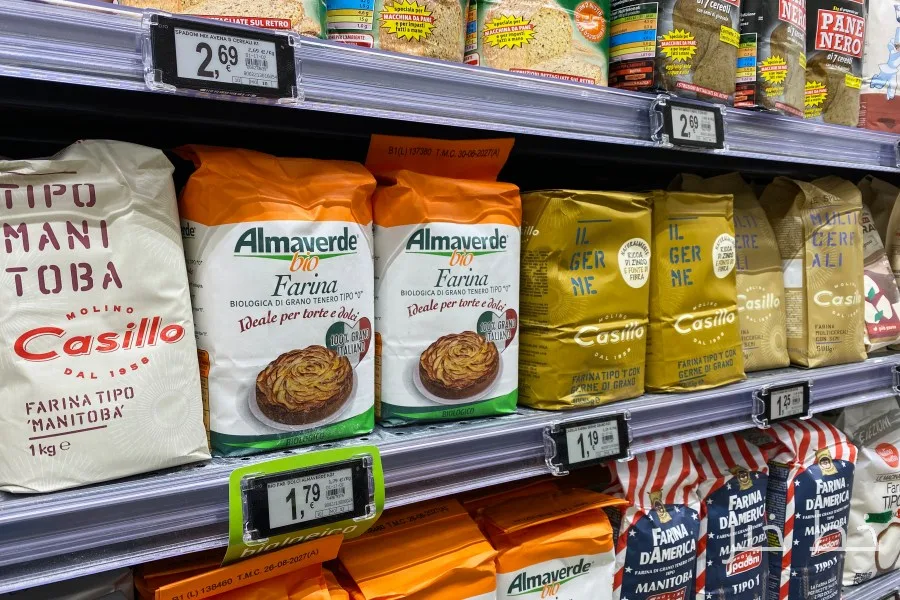
Stores are gradually moving towards digital pricing systems, and this transformation can lead to cost reduction and improved efficiency. Just as manual counting of sales and inventory seems outdated for supermarkets now, a day will come when paper price tags and shelf labels will also become unnecessary and costly.
Changes in Pricing Methods
The use of new technologies in stores, especially in pricing, has become a necessity. Digital labels can be updated quickly and provide more accurate information to customers. This technology not only helps reduce human errors but also saves time and maintenance costs.
Advantages of Digital Pricing
One of the main advantages of digital pricing is the ability to change prices quickly and provide more accurate information to customers. In the modern world where price changes occur rapidly, this system allows stores to respond in real-time to market changes. Additionally, this system can help reduce paper consumption and improve the environment.
With technological advancements, stores are gradually adopting digital labels, which can significantly reduce administrative and operational costs. With this transformation, it is expected that the shopping experience for customers will also improve, and they will have access to more accurate information.
Implementation Challenges
Although digital pricing systems have many advantages, implementing these technologies also comes with challenges. The initial costs of installing and maintaining these systems may be heavy for some stores. Additionally, the need to train staff to use these systems and adapt them to existing infrastructures can be time-consuming.
Despite these challenges, the future of pricing in stores will undoubtedly move towards digitization, and paper labels will gradually be forgotten. Therefore, stores must quickly adapt to these changes to stay ahead of their competitors and retain their customers.
Read more: Technology Oversight Group Provides Final Message for Democrats on Data Centers · Elizabeth Kaiser Examines Wealth Inequality in East Germany