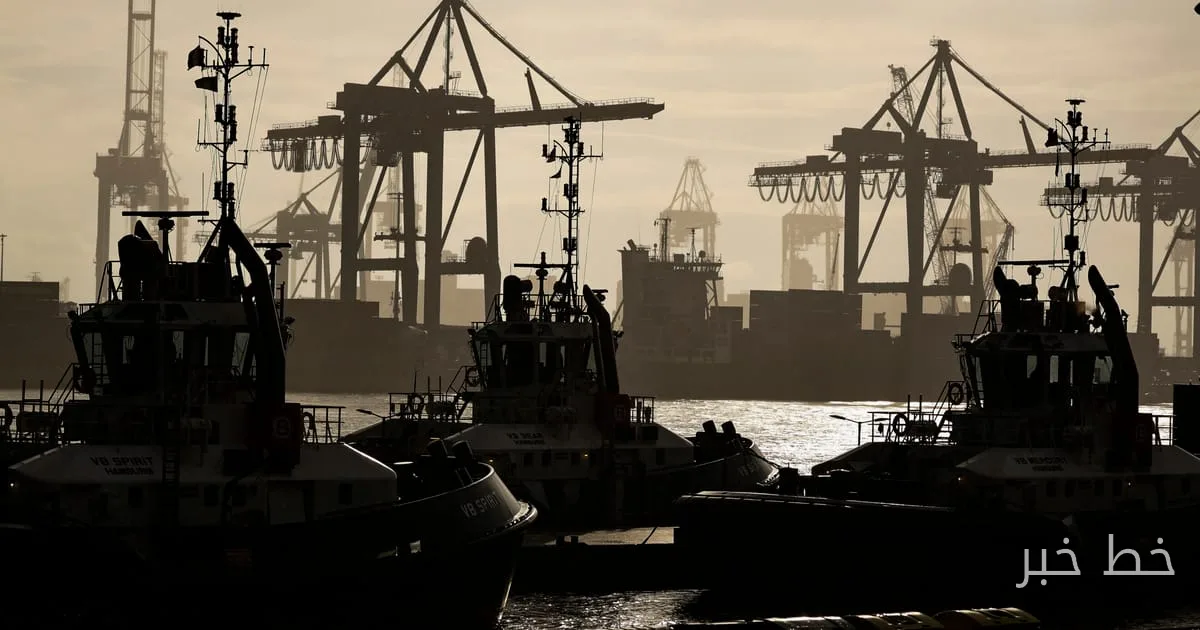
The Chinese hacking group 'Mustang Panda' has repeatedly attacked maritime organizations in seven EU countries in 2025. According to the annual report of the European Union Agency for Cybersecurity (ENISA), these attacks include espionage programs and the collection of strategic information, and this group has been identified as a serious threat to EU organizations.
Details of Cyber Attacks
ENISA reported that the 'Mustang Panda' group, due to its advanced capabilities, is able to carry out repeated attacks on the maritime sector and government organizations. This group has also been active in its attacks on EU diplomatic missions in previous years, and according to recent assessments, it is recognized as one of the largest cyber threats.
The cyber attacks by this group involve the collection of sensitive information and espionage from maritime organizations, which could have serious repercussions for the maritime industry and international trade. ENISA has emphasized that this group is considered a persistent and serious threat due to potential support from the Chinese government.
Potential Consequences for the Maritime Industry
The maritime industry, as a sensitive sector, is heavily impacted by cyber attacks. These attacks can have severe consequences for international trade. China has previously sought a better understanding of Western operations in this area, and given the increasing challenges in Middle Eastern maritime routes, it seems that these attacks are part of a larger strategy.
In previous assessments, ENISA identified the maritime sector as one of the 'high-risk areas.' As a result, cyber attacks on this sector and logistics are of great importance due to their economic and political impacts, especially in the current tense geographical conditions.
This report indicates that cybersecurity in the maritime sector is not only a technical issue but also a strategic matter in economic and political fields. Given recent developments in this area, the need for preventive measures and strengthening cybersecurity infrastructures in maritime organizations is felt more than ever.
Read more: Meeting of German and Chinese business leaders on US-China competition