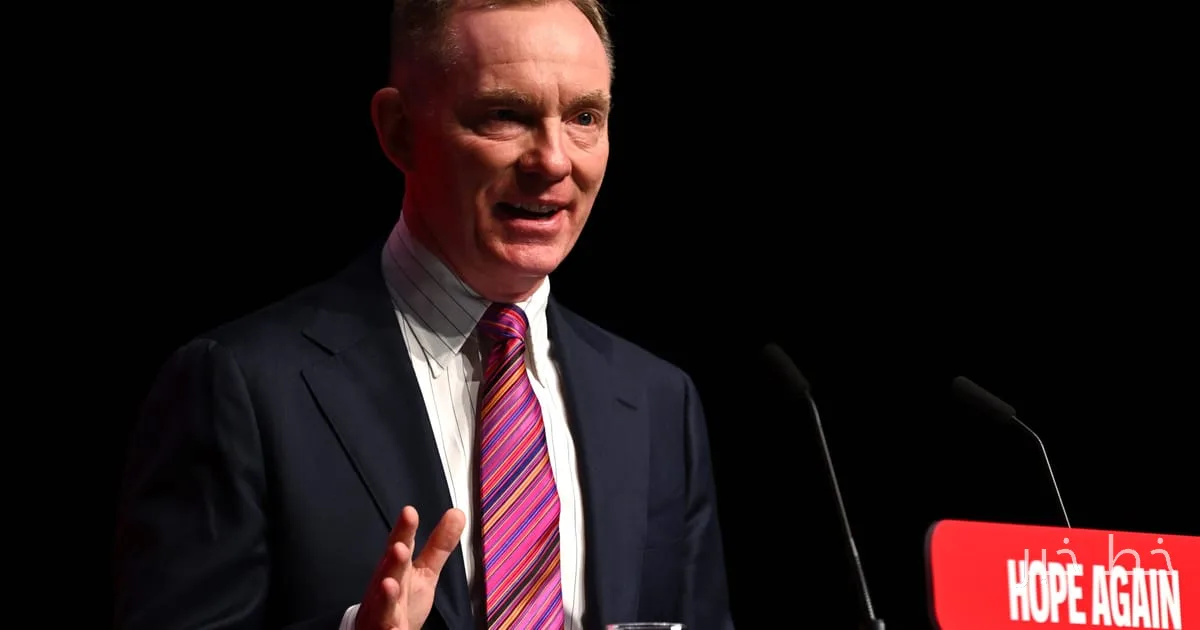
Chris Bryant, Northern Ireland's Minister, rejected severe accusations from unionists in the region on Monday. Unionists claimed that he had surrendered to Irish republicans and prevented a long-contested Protestant parade from taking place.
Bryant's Decision to Prevent Violence
Bryant stated in the House of Commons that his decision to ban a parade that had been legally authorized by the Orange Order was primarily made to prevent violence. Thousands of Sinn Féin members, the main Irish republican party, had blocked the parade's advance on Garvaghy Road, a Catholic area in Portadown, for nearly two weeks, but police kept both sides apart.
Defending his intervention, he said: "The Orange Order had a legal right to parade, but maintaining that right should not come at any cost. Upholding the law also means preventing serious disorder."
Political and Legal Tensions
The leader of the Democratic Unionist Party, Gavin Robinson, accused Bryant of surrendering to threats of violence from the Irish Republican Army militants. However, Bryant noted that his decision had so far prevented violence. He stated: "I completely reject the accusation of surrendering to the authority of extremist groups. The truth is that the situation has miraculously progressed peacefully."
Hours later, two courts in Northern Ireland became embroiled in legal disputes arising from the revival of the Orange parade demands in Portadown. A court of appeal, overseen by the Chief Justice of Northern Ireland, dismissed the complaint from Garvaghy Road protesters who were seeking to challenge the parade commission's ruling. Orange supporters stated that this ruling keeps the doors open for holding a parade on Garvaghy Road for the first time since 1997.
A separate session in the High Court in Belfast allowed the Portadown Orange Lodge to continue its legal challenge against Bryant and the Chief Constable of Northern Ireland, John Boutcher. This case will be reviewed starting next Monday.
Boutcher, who had resisted unionist calls for his resignation, provided a lengthy defense of his management of forces during the stand-off in Portadown. He urged both sides to respect the legal process, which could take months, including the possibility of charges against senior Sinn Féin figures involved in blocking Garvaghy Road.
Legal disputes over various rights are fracturing the structure of the Northern Ireland Assembly. These tensions were clearly evident on Monday in Stormont, the government center in Belfast. O'Neill attacked her critics on the other side of the chamber, accusing them of bigotry and reactionism.
She said: "It is no surprise that three unionist parties voted for this position. They have never accepted the reality that an Irish republican is now the First Minister, and that it is a woman. They have never accepted equality."
Ultimately, four positions calling for the removal from office for a year of O'Neill's ministers, John O'Dowd, Kaim Artybal, and Liz Kimmins, were roughly defeated with similar religious tests. While 33 to 34 unionists voted to remove each of them, 35 representatives from Sinn Féin and a smaller Irish nationalist party, the SDLP, voted to keep them in office.
O'Neill, O'Neill's official partner in the four-party Northern Ireland government, Deputy First Minister but little-pengly from the Democratic Unionists, stated that as a lawyer, she understands the law and that her government partner has violated a law that threatened violence and disorder while leading a "gathering" that included prominent figures from several IRA groups.