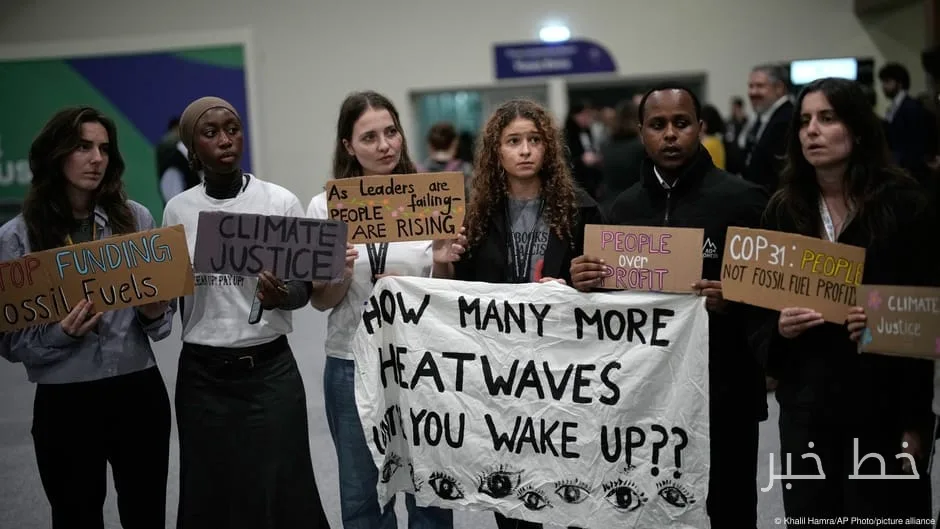
The COP31 climate summit in Antalya, Turkey, has gone into overtime due to deep disagreements over key issues, including fossil fuels and climate financing. The negotiations, which were supposed to conclude on Friday, have not yet reached a definitive agreement, and representatives from various countries are striving to find a way to reach an acceptable consensus.
Warning from Peru's Representative about the Summit Outcome
Andrés Martín Garrido Sánchez, head of the Peruvian delegation at COP31, warned that this summit is unlikely to conclude with a clear agreement on climate financing or reducing the use of fossil fuels. He expressed regret that the outcome of these negotiations will be "very limited" and emphasized that "geopolitical divisions" are hindering the path to a final agreement and referencing the reduction of dependence on oil, gas, and coal.
Read more: Australia presented a draft agreement at COP31 for an immediate transition from fossil fuels
China's Support for Turkey's Proposal
China has supported a proposal hosted by Turkey at COP31. This proposal aims to increase global electricity demand by 35 percent by 2035. This could bring economic, job, and energy security benefits. Additionally, the parties have emphasized the importance of inclusive climate actions to ensure no one is left behind in this process.
However, environmental groups have warned that the draft text does not explicitly specify the use of renewable energy sources such as solar and wind energy, which could mean allowing natural gas and coal-based power plants.
Criticism of COP31
The COP31 summit in Antalya has faced criticism from environmental activists questioning whether global climate talks can create real change while fossil fuel interests remain influential. Countries like Turkey and Australia, which are under intense scrutiny, are leading this conference. Activists like Greta Thunberg believe that COP meetings have gradually become ineffective, while others view these conferences as a necessary space to pressure governments.
For the Maldives, climate change is already impacting daily life. Heavy rainfall has forced people from their homes, and warmer oceans are damaging coral reefs. Additionally, changes in fish stocks are putting significant pressure on the country's fishing industry. Alongside this, rising sea levels pose another threat to this island nation.
Challenges of Transitioning to Renewable Energy
Maldives' Climate Minister, Ali Sharif, spoke at COP31 about the slow progress and real challenges in climate negotiations, noting that transitioning to renewable energy is not straightforward. He emphasized the need for financial support and appropriate infrastructure to accelerate this transition.
While Turkey is hosting COP31 in Antalya, climate threats along the Mediterranean coast are increasing. Rising sand surface temperatures are causing most newly hatched turtles to be female, raising concerns about the long-term survival of local populations. Environmental protectors warn that climate change, along with pollution, coastal development, and fishing-related damage, is putting significant pressure on these species.
Despite all the challenges, the COP31 summit remains an opportunity for diplomats and various countries to discuss ways to address climate change and explore new solutions for achieving sustainable agreements.
Read more: Nazil Tapping warned the UK government about electric vehicle regulations · Climate justice held hostage by great powers



