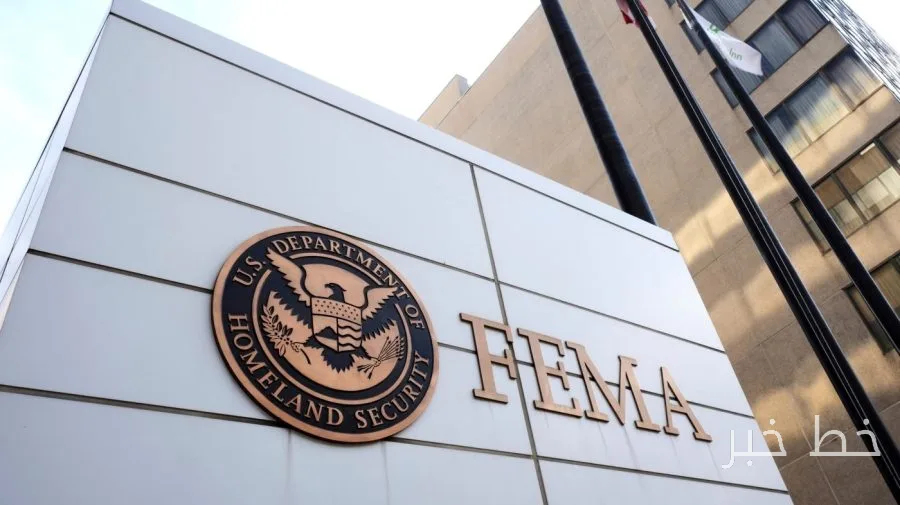
A federal court has blocked the Trump administration's efforts to prohibit the allocation of certain anti-terrorism funds to states that have not accepted the government's proposed electoral reforms. This decision was made in July of this year following an announcement from the Federal Emergency Management Agency (FEMA), which stated that states and regions must adopt five electoral policies to receive these funds.
Details of Trump's Administration's Efforts
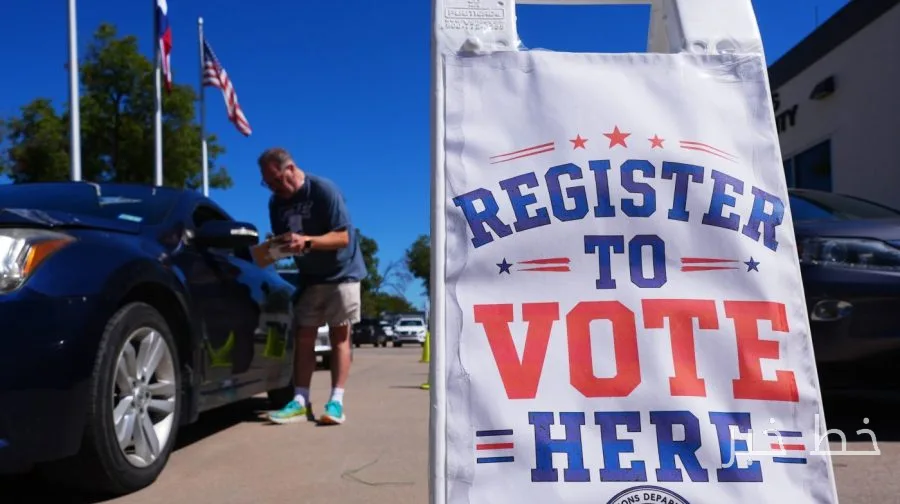
The Trump administration, through FEMA, had announced that states must adhere to a set of electoral policies to qualify for anti-terrorism financial assistance. These policies included the use of electronic voting machines, ensuring easy access to voting for all citizens, and other measures to increase transparency in the electoral process.
Read more: Iranian delegation in New York has no plans to negotiate with the U.S.
Implications of the Court's Decision
The court's decision not only highlights the legal challenges facing the Trump administration in pressuring states to comply with electoral policies but could also have wide-ranging effects on the allocation of government funds. This action may motivate states to pay more attention to the government's proposed policies, but it could also lead to increased confrontations between the federal government and the states.
On the other hand, this decision could also be seen as a victory for voter rights advocates and opponents of the administration's efforts to restrict access to voting. Given that this issue has become a hot topic during the election period, the implications of this decision may become evident in the upcoming elections.
Read more: Democrats prepare to confront Israel on human rights · Trump administration responds to proposal to sell arms to China