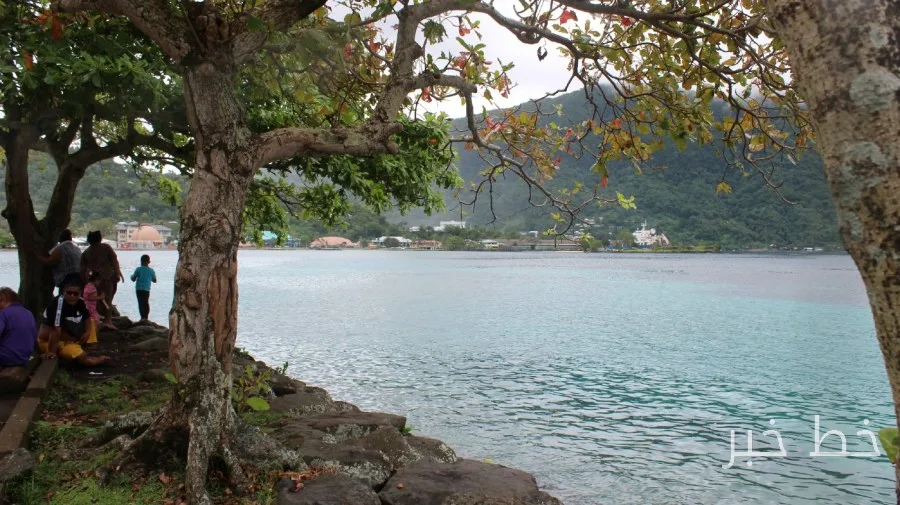
Judge Jill Otake, one of Trump's appointees, recently made a decision regarding the Trump administration's offshore mining plan for the shores of American Samoa that has serious implications for the proposal. This ruling clearly indicates that the government has been negligent in assessing the environmental impacts of this program under the Endangered Species Act.
Details of the Ruling
Judge Otake noted in her ruling that the Trump administration failed to adequately consider the potential risks and harms to the environment in the assessment of offshore mining. This ruling was made particularly in light of growing concerns about the status of endangered species and the negative effects of mining on marine ecosystems.
Read more: U.S. data centers emitted more greenhouse gases than Denmark
Legal Consequences
This decision by Judge Otake means that the government must now revisit the environmental impact assessment of this program and ensure that all legal and environmental aspects are properly considered. This ruling could lead to delays in the implementation of the mining plan and may also provoke further protests from environmental groups and local communities.
Given that the Trump administration is trying to develop natural resources and invest in the mining sector, this ruling could be seen as a significant obstacle to this program. Additionally, this decision may have implications for similar programs in other areas, as local and state officials may use this ruling as a model for evaluating future projects.
Environmental Concerns
Environmental concerns regarding offshore mining, especially in sensitive areas like American Samoa, have increased in recent years. Environmental activists believe that such activities can lead to the destruction of marine ecosystems and threaten endangered species. The recent ruling by Judge Otake indicates that judicial bodies are also paying attention to these concerns and may handle such issues with greater scrutiny in the future.
Read more: Unprecedented disruption in the polar vortex may affect winter in the Northern Hemisphere · Trump administration responded to dirty bomb threat



