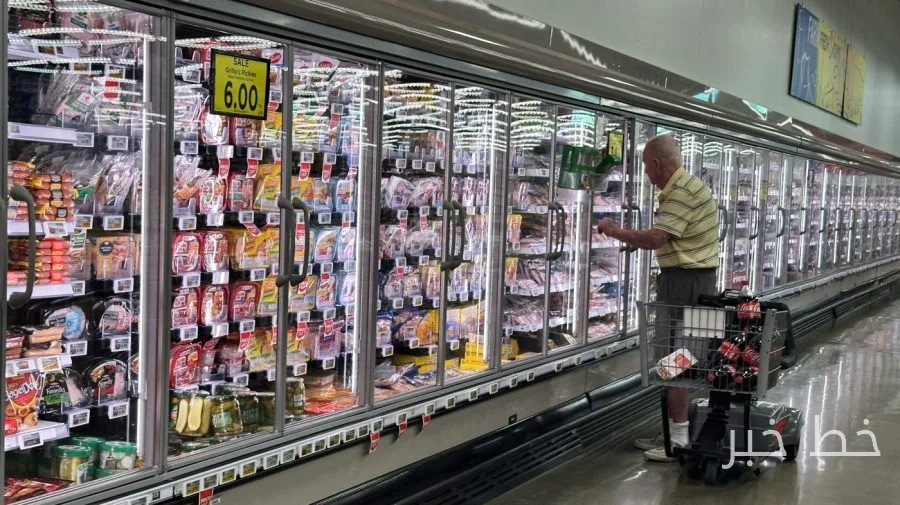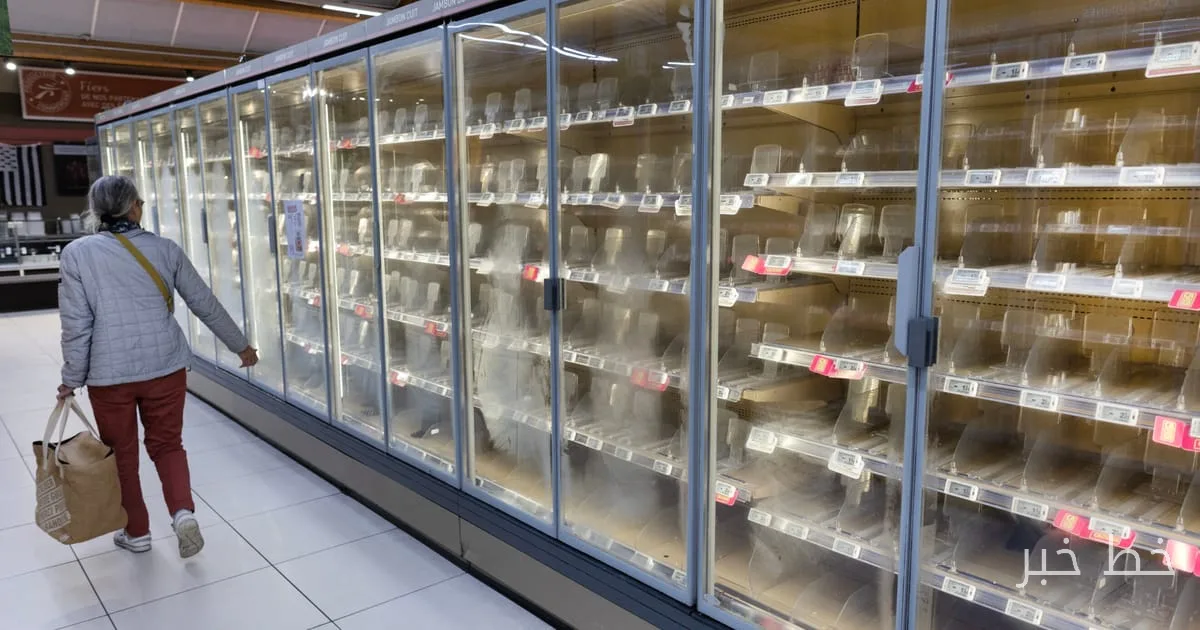
The cyber attack last week on hundreds of supermarket refrigerators in France raised concerns among Europeans about the state of food security and its impacts on the supply chain.
Impacts of the Cyber Attack
This attack forced hundreds of stores to dispose of frozen food and spoiled milk. Experts regarded this attack as a reminder of the importance of traditional cybersecurity in protecting essential goods and critical services. Ferdinand Grehinger, a hybrid threats specialist at FTI Consulting, described this attack as a "typical example" of how cyber sabotage can affect the vital supplies of society.
Read more: Another Opportunity to Protect Children Against Artificial Intelligence
This attack is recognized as one of the most significant cyber attacks in the European Union this year, with real and devastating consequences. French Prime Minister Sébastien Lecornu personally managed the aftermath of this attack, leading to coordination and information exchange at the EU level.
Attack Methods and Security Status
The attackers, whose identity and motives are still unclear, infiltrated digital systems and remotely increased the temperatures of refrigerators in supermarkets like Intermarché and Carrefour. A cybersecurity expert working with Lecornu's office stated that the French government held meetings after this attack to identify all potentially affected sectors.
Meanwhile, supermarkets in the Netherlands and Belgium also faced unrelated cyber attacks that same week. Although the impact of these attacks was limited, Dutch Food Security Minister Silvio Erkens described them as examples of the deep dependency of the food supply chain on IT systems and networks.
The recent cyber attacks occur amid significant pressure on Europe's food security due to geopolitical insecurities and climate change. Ongoing disruptions in the Strait of Hormuz have led to rising prices for fuel and agricultural fertilizers, and farmers are also grappling with the consequences of severe droughts that have reduced production in many parts of Europe.
Alessandro Gran, General Director of the European Independent Retailers Association, emphasized that "cyber attacks on our food systems are very serious," yet the food supply chains are resilient, reducing the likelihood of threats to food security.
These incidents highlight a problem in operational technology; industrial devices with physical outputs, such as refrigeration systems. Critical sectors include these types of devices, many of which are old, poorly protected, and unnecessarily connected to the internet.
While the issues from last week remain unresolved, cybersecurity officials in France and Germany warned that attacks are likely to continue. According to a research firm, the number of internet-connected devices that may be vulnerable is decreasing, but a significant number of them are still at risk.
Ultimately, with the use of advanced artificial intelligence models, cyber attacks are now faster and easier to replicate. This technology helps cybercriminals quickly focus on software vulnerabilities and simultaneously attack multiple targets.
Read more: MindFrames Allows Children to Create Wearable Shapes · France Prepares for Nationwide Protests