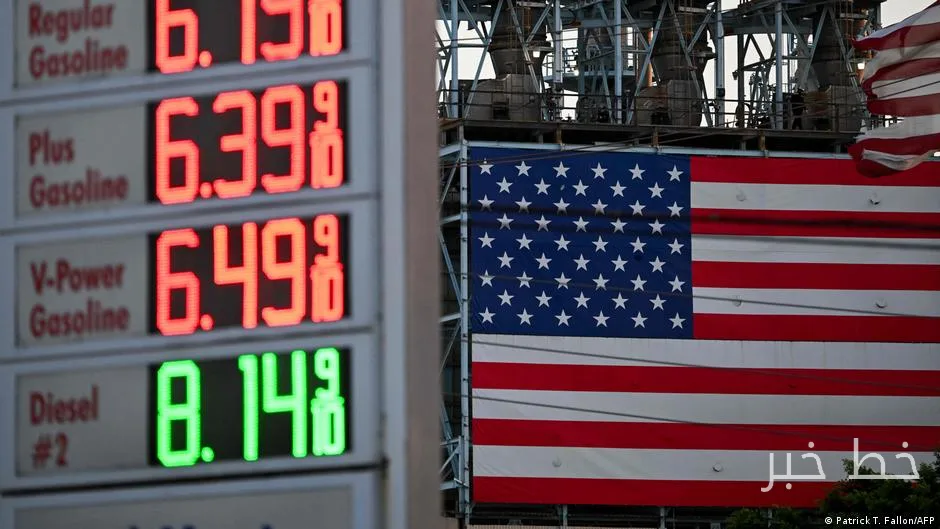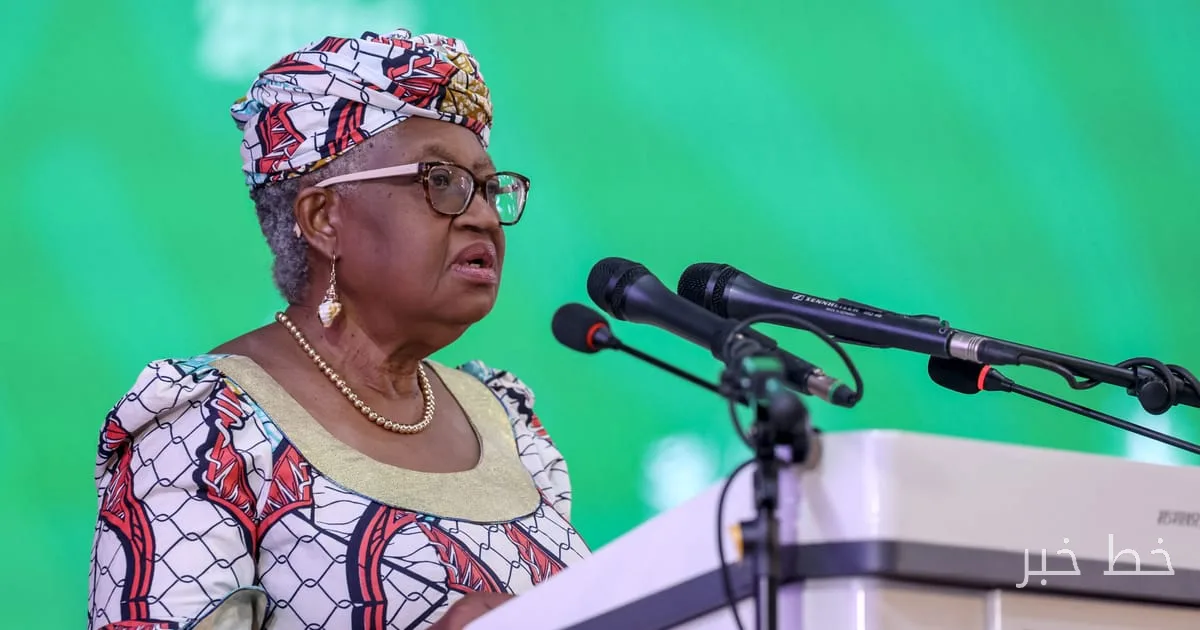
The World Trade Organization (WTO) believes that failure to reform this institution could lead to a 10 percent reduction in the global economy by 2050. This warning comes as the organization seeks reforms amid global pressures related to geopolitics and industrial policies, particularly U.S. tariffs.
Challenges Facing the WTO
The WTO's annual report compares three scenarios for trade cooperation: improved cooperation, geopolitical fragmentation, and a world where the organization is replaced by a network of bilateral and regional trade agreements. In the improved cooperation scenario, global GDP is expected to increase by 2.9 percent by 2050, and exports will also rise by nearly 18 percent. In contrast, in the fragmentation scenario, GDP is projected to decrease by 5.1 percent, and exports will decline by 19 percent.
The worst scenario pertains to a world dominated by bilateral and regional agreements. In this case, global GDP could decrease by 6.9 percent, and exports would drop by 27 percent. These figures indicate a gap of about 10 percent in global GDP between the improved cooperation scenario and the bilateral trade agreements.
Weaknesses and Structural Challenges
According to the report, the current trade system is facing its worst disruptions in the past 80 years. Robert Steiger, the WTO's chief economist, stated that the organization is dealing with an economy that is increasingly different from what its rules were designed for. While 72 percent of global goods trade is still conducted under the most-favored-nation tariffs of the WTO, this figure was 80 percent two years ago, indicating pressure on the existing system.
Steiger also emphasized four structural changes that are putting pressure on the global trading system: the changing distribution of economic power, the increasing role of government intervention, the changing nature of trade, and geopolitics. Governments are increasingly viewing trade from a national security and economic perspective, making reforms in the WTO more urgent.
Ultimately, the report notes that while the mood in Geneva is relatively positive, the challenges facing the WTO remain significant, and there is a pressing need for immediate action in this regard.