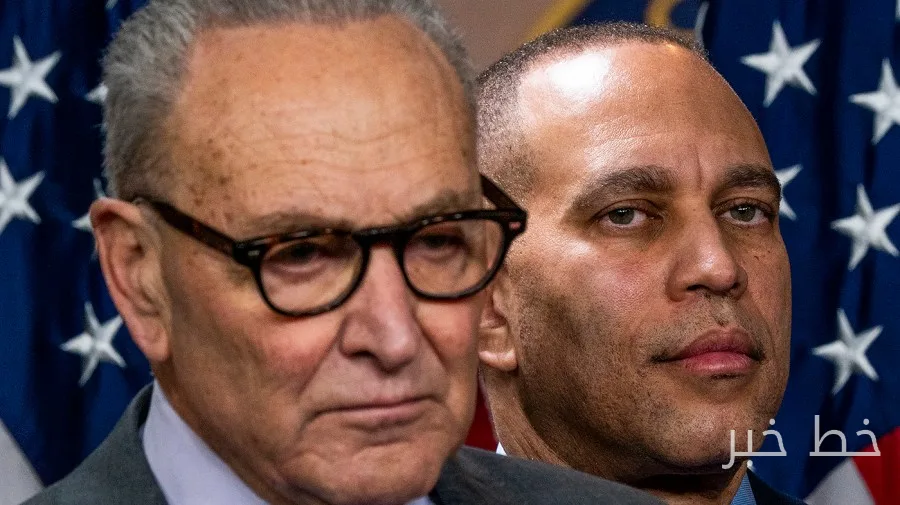
Democratic parties should remember that in the history of the United States, turning the perceived corruption of one party into an electoral advantage for another has rarely been easy. This is because voters generally see both parties and politics as corrupting.
Challenges of Turning Corruption into an Electoral Advantage
The political history of the United States is filled with attempts where one party has tried to gain electoral superiority by exploiting the perceived corruption of the rival party. However, the outcomes of these efforts have not always favored the opposing party. Many voters prefer to become disillusioned with the political system as a whole rather than choosing a specific party.
Read more: Todd Blanch: The Alaska Senate Race is Not Fair for Trump
Voter Attitudes Towards Corruption
Voters generally view corruption as an inherent feature of politics. This attitude may stem from the fact that corruption exists in both parties, and the notion that one party is cleaner than the other is not easily provable. This can harm Democrats, as they may not be able to effectively exploit Republican corruption.
As a result, Democrats should seek new ways to attract voter attention that go beyond the issue of corruption. They should focus on economic, social, and civil rights issues and provide practical solutions to voters' problems. This approach could help them garner more support from voters and perform better in upcoming elections.
Ultimately, it seems that Democrats should learn from history and avoid trying to use corruption as a political weapon. They should focus on building a strong and appealing platform that can attract voters, thereby achieving electoral success.
Read more: Tom Tills Found the Senate Voting Results in Alaska Appropriate · The Israeli Elections Will Determine Netanyahu's Fate and the Future of the Country