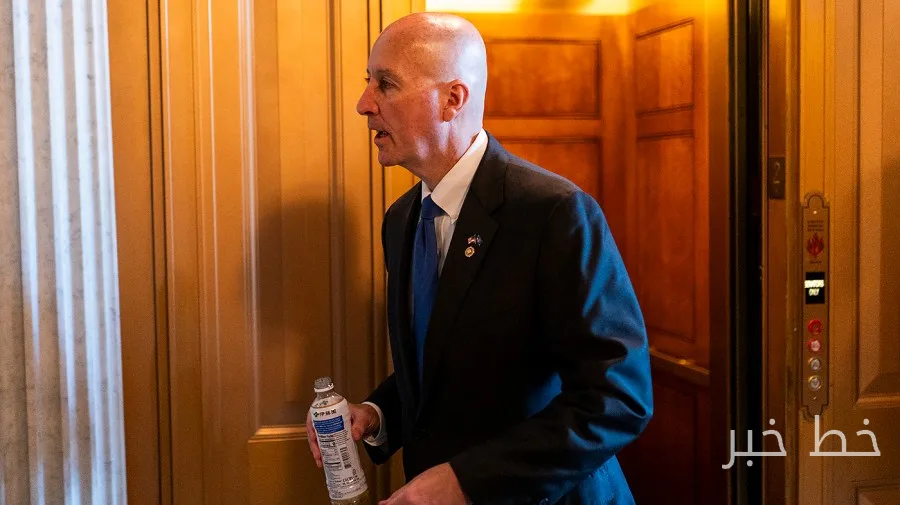
Senate Democrats on Wednesday blocked a bill proposed by Pete Ricketts, a Republican senator from Nebraska. The bill sought to restrict members of Congress from purchasing new shares of public companies and is known as the "Stop Trading on Congressional Knowledge Act."
Reasons for Democratic Opposition
Democrats argued that the bill was not strong enough and could not effectively prevent potential corruption among lawmakers. They contended that more stringent restrictions should be established for transparency and to prevent conflicts of interest in Congress. Senator Elizabeth Warren from Massachusetts and other Democrats are calling for more serious measures to tackle insider trading and the misuse of non-public information.
Read more: Greg Stanton emphasized the need to explore new options after Brexit
Voting Results
The "Stop Trading on Congressional Knowledge Act" was rejected by a vote of 53 to 47. None of the Democratic senators voted in favor of the bill, while several Republicans also voted against it. This vote reflects a deep divide between the two parties on how to oversee the financial and business activities of members of Congress.
Pete Ricketts, who proposed the bill, is trying to fend off criticism regarding stock purchases by members of Congress and seems intent on continuing to address this issue in the future. He previously stated in an interview that members of Congress should demonstrate greater transparency in their business dealings and that this bill is a first step in that direction.
Background and Implications
The issue of stock trading by members of Congress has been a topic of debate for years. Critics view this practice as an anomaly that can lead to corruption and conflicts of interest. However, supporters believe that members of Congress should have the right to buy and sell stocks and should not be deprived of this right.
This issue has garnered more attention, especially during times of economic and financial crises, such as the 2008 financial crisis. Given that members of Congress can access information that may affect stock prices, there is a growing need for stricter laws to prevent the misuse of this information.
As a result, with the rejection of this bill, concerns about transparency and oversight of the financial activities of members of Congress remain, and this issue is likely to return to the congressional agenda soon.
Read more: Venezuelan oil stakeholders are facing a constitutional crisis due to Trump's management · Spanish voters are leaning towards Democrats in Texas and Florida