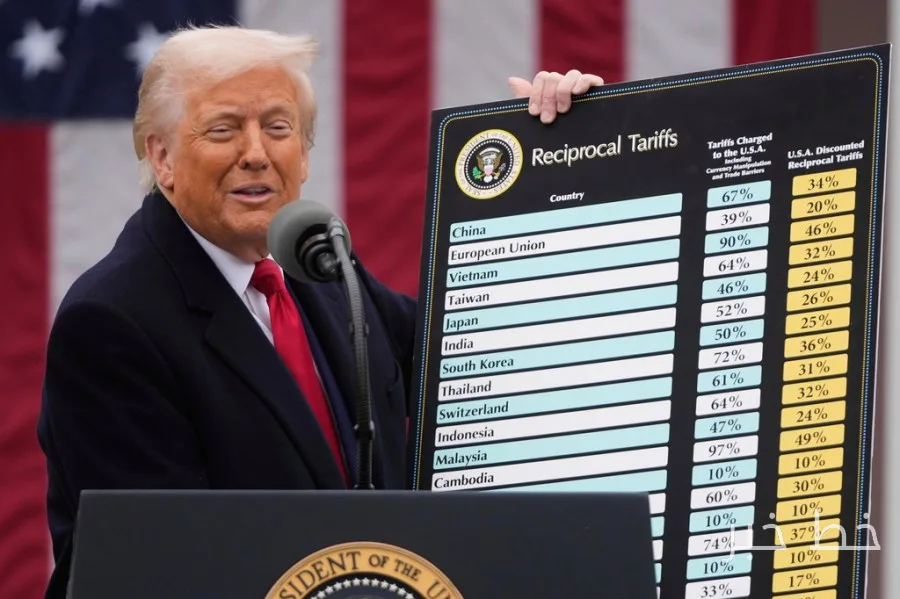
Political changes in the United States can affect the country's trade policies, but it seems that bipartisan commitments to economic security and industrial policies will still lead to the continuation of tariffs and trade restrictions.
The Impact of Political Changes on Trade
The Democrats' victory in the congressional elections could lead to changes in the tone of trade policies, but the strong resolve of the two main parties regarding the preservation of economic security and support for domestic industries will likely result in the continuation of tariffs and trade restrictions. These changes may increase the competitiveness of American industries, but at the same time, they could create pressures in global markets.
Bipartisan Commitment to Economic Security
The bipartisan commitment to economic security indicates that even with political changes, trade policies will not significantly change. This situation could benefit domestic producers and key industries, while it may harm trade relations with other countries. This means that tariffs will remain as a tool to prevent foreign competition.
Given this reality, it is expected that U.S. trade policies will be influenced by these political developments, but major changes in tariffs and trade restrictions seem unlikely. It is important to note that the Democrats may, in their efforts to change the tone and approach to trade issues, ultimately adhere to the same fundamental principles that prioritize economic and industrial security.