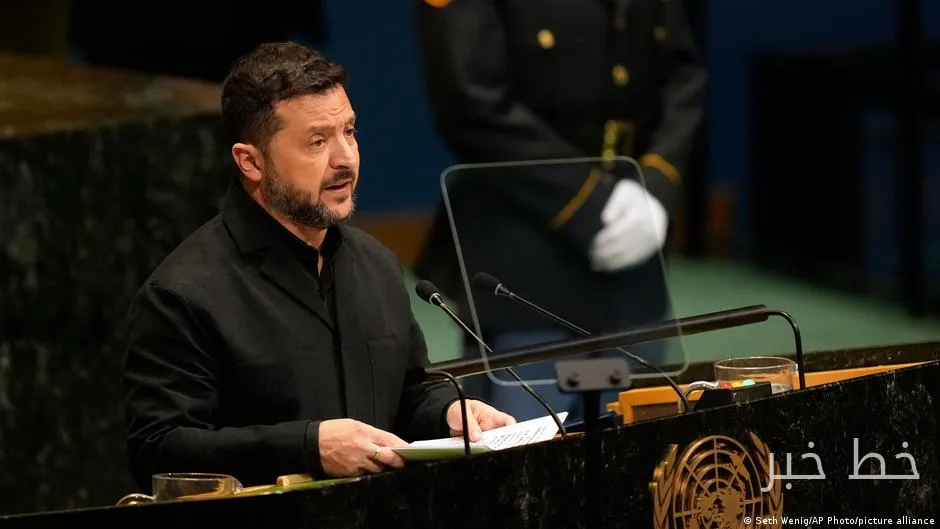
South Korea recalled its ambassador to Kyiv on Saturday, marking the latest instance in a series of retaliatory reactions that have severely strained bilateral relations.
Background of Tensions
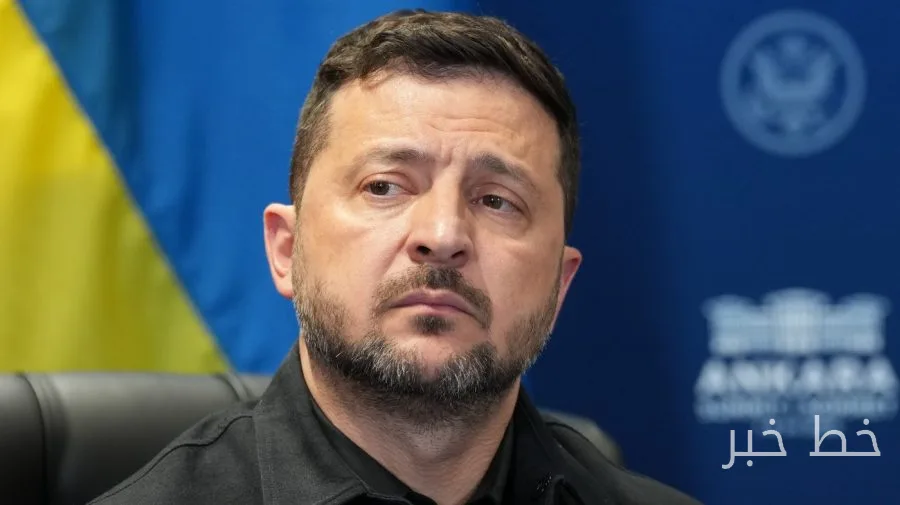
The sudden deterioration of relations between the two countries dates back to September 23, when Volodymyr Zelensky, the President of Ukraine, announced at the United Nations General Assembly in New York that Ukraine had transferred two captured North Korean soldiers to South Korea. These soldiers were captured by Ukrainian forces in January 2025 in the Kursk region of Russia.
The South Korean government immediately expressed dissatisfaction with Zelensky's revelation, claiming that the two countries had agreed to keep the transfer confidential until mid-September. Ukraine responded to this claim, stating that there was no non-disclosure agreement, which led South Korea to accuse Ukraine of lying and demand an official explanation and apology.
Efforts to De-escalate Tensions
Ukraine has attempted to improve what it calls "diplomatic understanding," but has refrained from issuing a public apology that was expected in Seoul. Subsequently, reports emerged indicating that a close advisor to Zelensky stated that over 176,000 tons of diesel and other energy products were sent from South Korean ports to Russia in July and August, which would violate international sanctions. The office of President Lee Jae-myung in Seoul denied this accusation and recalled its ambassador to Kyiv two days later.
Irwin Tan, a professor of international politics at Hankuk University, noted that there are several reasons why South Korea wanted to keep the transfer of prisoners confidential. According to him, disclosing this matter could lead to retaliation from Pyongyang against the families of the soldiers. Additionally, Seoul wanted to maintain a connection with Pyongyang.
Kim Sang-woo, a former politician and board member of the Kim Dae-jung Peace Foundation, also pointed out that the South Korean government wanted to avoid creating "tension" with North Korea. He further stated that Moscow and Pyongyang would likely soon become aware of this transfer, and Lee Jae-myung has faced criticism in some domestic circles for appearing weak.
Despite Zelensky announcing the transfer of two prisoners of war in his speech at the United Nations, some believe this action may have been planned to garner more support from Seoul. While Ukraine could have negotiated with the Russians regarding a prisoner exchange, it responded positively to Seoul's request, which could lead to increased financial and military support from South Korea.
Tan predicts that the two governments will continue to exchange accusations, but it is unlikely that this issue will turn into a long-term dispute. He believes that after tensions decrease, both sides will quietly resume their communications with a pragmatic approach.