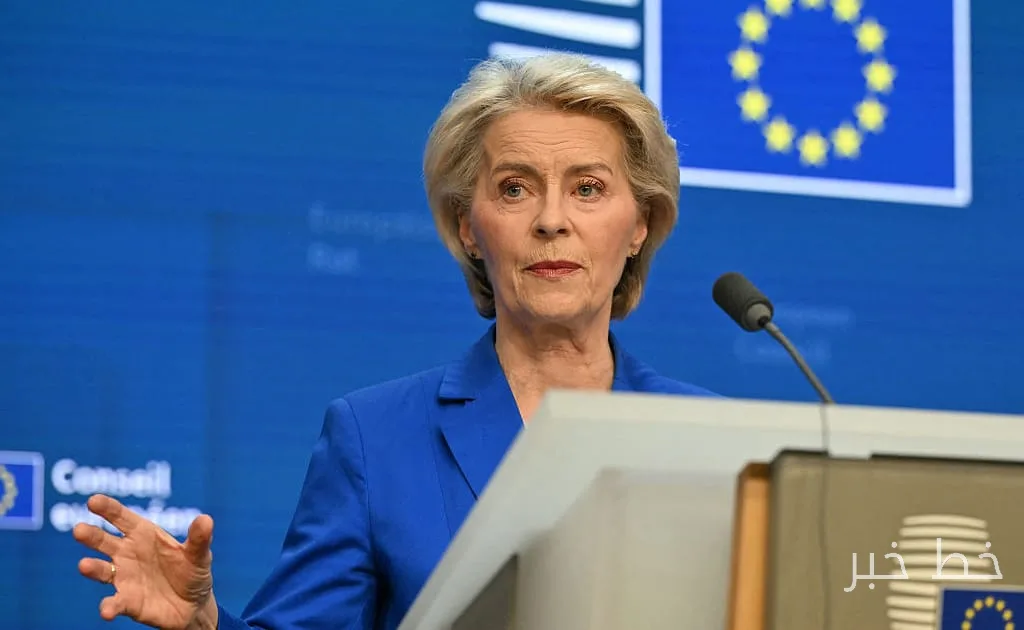
The centrist coalition in the European Parliament has differing views on the accountability of AI companies. These tensions were clearly evident during the plenary session on Thursday, when centrist parties supported Ursula von der Leyen, President of the European Commission.
AI Accountability Laws
The European Commission examined specific laws regarding AI accountability in 2022, but set them aside last year as part of broader efforts to simplify and make the European Union more competitive. Alex Agius Saliba, Vice-President of the Maltese Socialist and Democratic Party, said: "Setting aside the AI accountability directive was a major mistake." He called for the revival of these laws.
Read more: The National Security Agency warned organizations about new vulnerabilities
Differences in Views within the Coalition
The discussion on Thursday highlighted intense tensions among centrist parties. While the center-left called for new laws to address incidents caused by AI, the center-right emphasized streamlining processes to ensure that European companies do not fall behind in the global AI competition. Socialist and Green representatives called for the passage of new legislation for AI accountability to hold companies responsible for harms caused by their models.
Sam Altman, CEO of OpenAI, proposed a similar idea for a corporate accountability framework for models capable of automated cyberattacks. Kim van Sparrentak, a Green representative in the European Parliament, pointed out that "if a phone charger explodes in your home, we would never call it innovative; we would call it dangerous and cheap waste and hold the manufacturer accountable for the damages." She urged the Commission to end the removal of laws to appease the U.S. President.
The discussion quickly turned into a heated debate among key representatives focused on AI within the centrist coalition. Arba Kokalari, a Swedish center-right representative, said: "It seems that the Greens and Socialists live on a completely different planet when they call for more regulation." She emphasized that the European Union has a comprehensive legal framework called the AI Act, parts of which are still not implemented.
At the end of the discussion, Jozef Síkela, Commissioner for International Partnerships, noted that these laws were set aside due to disagreements among member states and representatives of the European Parliament.
Read more: Cyberattack on PHP vulnerability on the internet continues · Greg Stanton and other executives should have personal accountability