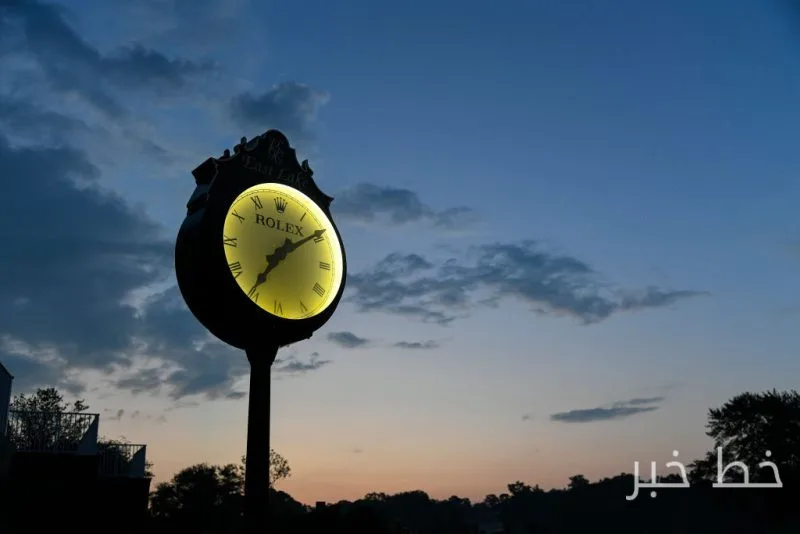
The end of daylight saving time is one of the annual events that usually occurs in the spring and fall. However, this year, due to specific circumstances, this clock change was unexpectedly made earlier than scheduled. This time change is designed to optimize the use of natural daylight and reduce energy consumption.
Reasons for the Early End
There are various reasons for the early end of daylight saving time. One of these reasons is climate change and the need to adapt to new environmental conditions. Additionally, some countries have decided to change the timing of this event due to increased economic and social demands. These changes can have significant impacts on people's daily lives as well as on various industries.
Read more: High-scoring schools charge families a lot
Social and Economic Impacts
The change in daylight saving time directly affects people's social and work habits. For example, employees may need to adjust their work schedules according to the time change. Additionally, this change can impact tourism and domestic and international travel. With reduced natural light at specific hours, many recreational activities and plans may be affected.
Ultimately, the early end of daylight saving time can be an opportunity to reconsider energy policies and the need for reforms in scheduling laws. This change can help raise public awareness about energy consumption and how to optimally use natural resources.
Read more: The U.S. Treasury Department reported on Iran's economic crisis and 90% inflation · Warning from the President of the European Court of Auditors about new risks in the Union's budget