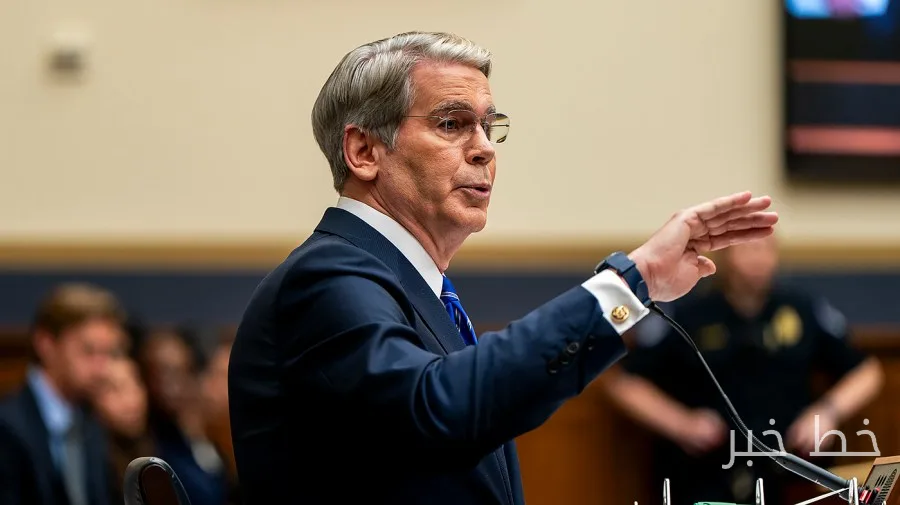
The United States Treasury reported that its economic isolation campaign against Iran has led to a severe economic crisis in the country. According to this report, inflation in Iran has reached 90%, and this situation is a result of the economic pressures initiated by the previous U.S. administration under the title of "economic expulsion".
Background of the Economic Campaign
This economic pressure campaign began at the end of August last year, aimed at pressuring the Islamic Republic of Iran to reduce its nuclear and military activities. In this context, the Trump administration imposed extensive sanctions that significantly impacted Iran's economy.
Read more: The Federal Reserve maintained interest rates between 3.75% and 4%
Economic and Social Consequences
According to the Treasury report, these pressures have severely damaged Iran's economic infrastructure, leading to a significant decline in domestic production and an increase in unemployment rates. Officials state that this situation has not only impacted the economy but has also had negative effects on people's livelihoods.
In a recent interview, Scott P. Amey, the U.S. Treasury Secretary, emphasized that this campaign has been significantly successful and its goals are progressing well. He also noted that this situation has placed Iran in a difficult position that may lead to political changes.
Future Outlook
Given the ongoing economic pressures, it seems that Iran's economic situation will remain critical in the near future. Analysts believe that if sanctions continue, Iran may face even more serious challenges, which will impact regional stability.
This report also indicates that the Iranian government is making efforts to manage the economic crisis, but given the current conditions, improving the economic situation in the short term appears to be extremely difficult.
Read more: Statistical Challenges of the British Government in Assessing the Economic Situation · 3.4% Growth in U.S. Gross Domestic Product in the Third Quarter