The Gulf Coast countries, whose economies have heavily benefited from natural resources such as oil and gas, are increasingly diversifying their economies beyond the hydrocarbon industry.
Strategic Changes in GCC Countries
Adnan Mazari, a senior researcher at the Peterson Institute and former deputy director of the Middle East and Central Asia department at the International Monetary Fund, says: "In terms of economic strategy, GCC countries have received the message that oil will not be available for a long time." These countries have also recognized geopolitical changes and are striving to act as a platform for various interactions between China and the West.
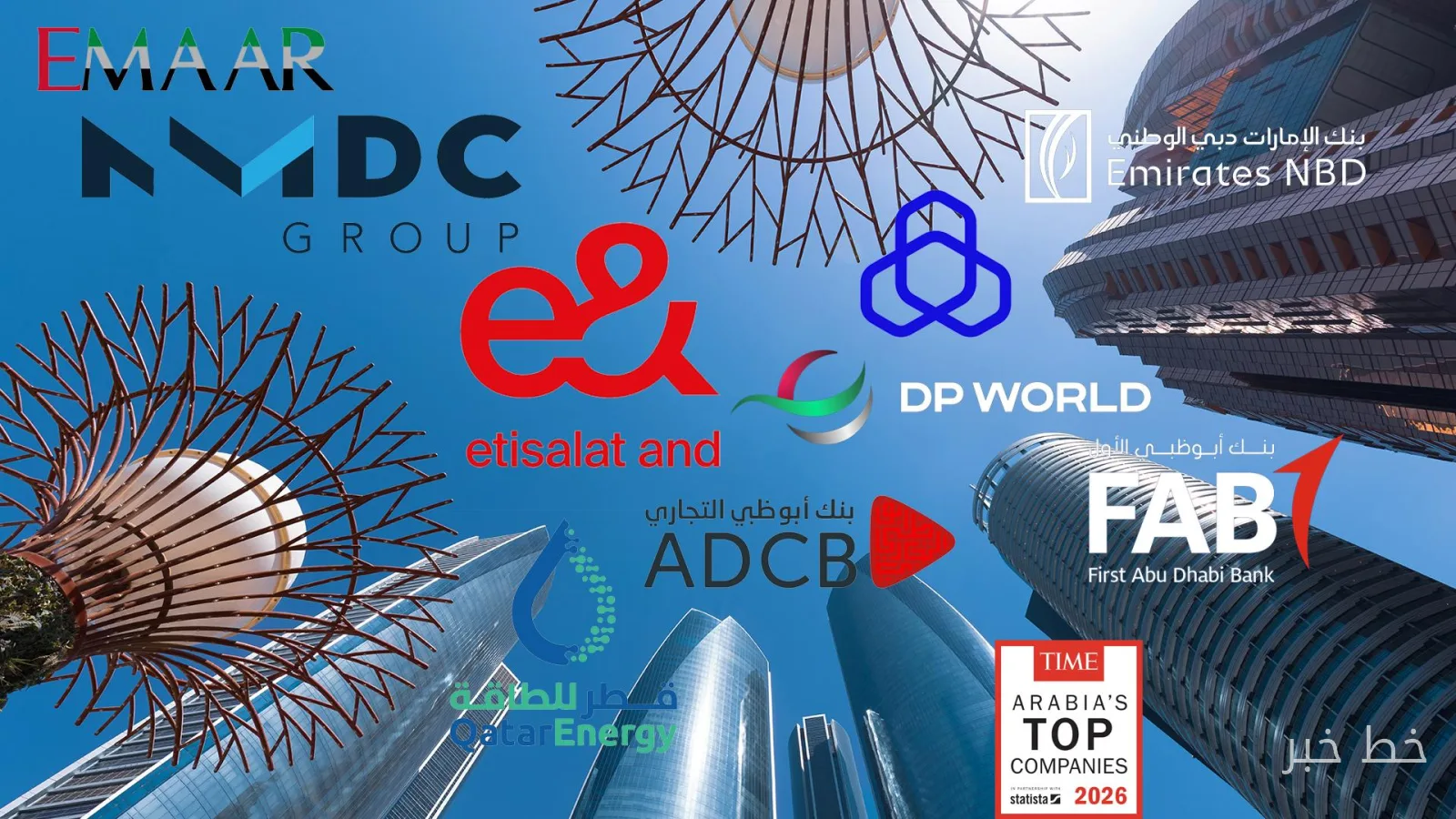
To assess how various industries are developing in GCC countries, a joint research project between a data company and a reputable media outlet has been designed to identify the top 200 companies in Bahrain, Kuwait, Oman, Qatar, Saudi Arabia, and the United Arab Emirates based on job satisfaction, revenue growth in recent years, and sustainability transparency.
Diversifying Industries and Investing in Technology
The United Arab Emirates, Qatar, Saudi Arabia, and Bahrain have entered into agreements to further invest in artificial intelligence data centers and other technological innovations. Saudi Arabia aims to become a hub for processing critical minerals. In the UAE and Saudi Arabia, which are leading in economic diversification in the region, growing industries include healthcare services, health tourism, and regular tourism.
In light of economic changes and the need for investment in renewable energy, GCC countries are increasing their investments in this area. Karen Yang, a political economist and senior researcher at the Middle East Institute, says: "Many inefficient energy productions from oil are declining, which is a logical decision from a climate and cost perspective." For example, QatarEnergy signed a contract with Samsung at the end of 2025 to build a 2000 megawatt solar facility in Dukhan that could supply energy for 750,000 households by 2030.
Advancements in the Banking and Financial Industry
The banking and financial industry has the highest representation, with 15.5 percent of listed companies. Bahrain was the first GCC country to develop the financial services sector, enabling private equity funds like Investcorp. First Abu Dhabi Bank, with its largest shareholder, the state investment company Mubadala, is expanding. A McKinsey report in 2024 indicates that GCC banks are generally more profitable than their global counterparts due to the balance of good oil prices, stable domestic deposits, and ambitious public investment programs.
This year, the economic development programs of GCC countries have been affected by geopolitical conflicts, forcing companies to alter their plans. For instance, Aluminium Bahrain, which has long been one of the drivers of the country's non-oil economy, has reduced its production due to the threat of attacks, leading to rising global aluminum prices and uncertainty in supply. Currently, new attention is being directed towards transportation and infrastructure in the region.
However, economists predict that the region will begin to recover from 2027 as costs in non-oil sectors gradually rise.