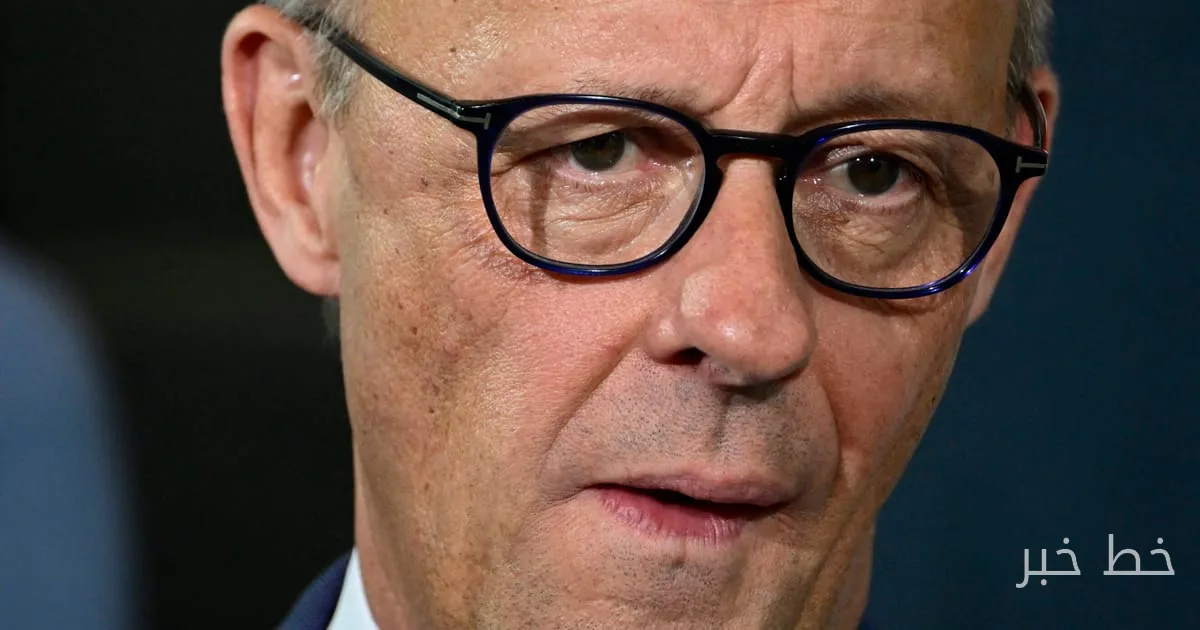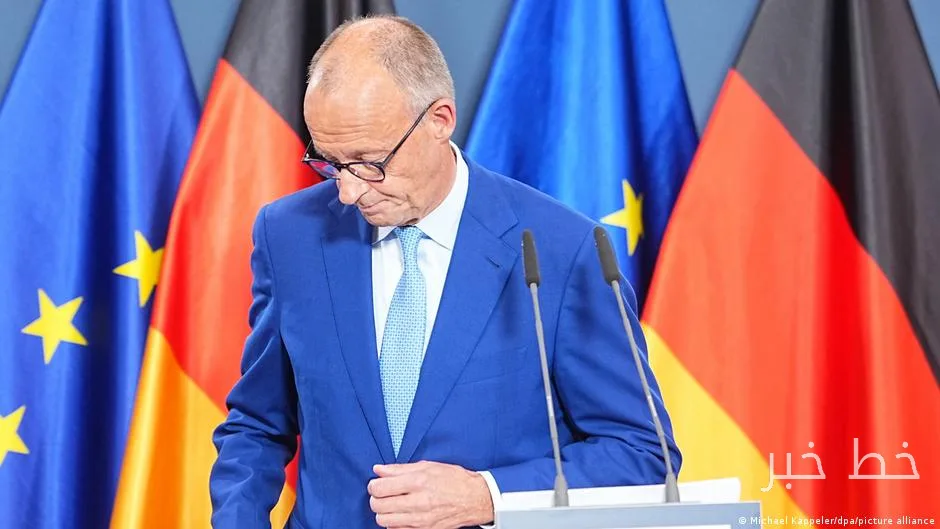
The new elections in the two states of Berlin and Mecklenburg-Western Pomerania brought disappointing results for Friedrich Merz, the Chancellor of Germany, and the Christian Democratic Union (CDU). These elections, especially at a time when the country is facing multiple challenges, represent another blow to Merz's political position.
Election Results and Analysis
Predictions indicate that the Christian Democratic Union narrowly failed to surpass the 5 percent threshold for representation in the parliament in Mecklenburg-Western Pomerania, marking a historic first for this party. In Berlin, this party, which previously led the state government, lost nearly a third of its support, dropping to around 20 percent.
Friedrich Merz immediately after the release of the initial predictions said: "We cannot justify the results in Mecklenburg-Western Pomerania - it was a disaster." He described the results in Berlin as "reasonable." This election marks the CDU's third electoral defeat in the past two weeks.
Political Situation and Future Coalitions
At the federal level, Merz is in coalition with the Social Democratic Party (SPD), which had mixed results in the elections on Sunday. In Mecklenburg-Western Pomerania, Manuela Schwesig, the state premier from the SPD, secured 36 percent of the votes, placing her just slightly behind the far-right party. In Berlin, the SPD's share of the votes dropped to 12 percent, and the far-right AfD emerged as the third-largest party with 16 percent of the votes.
Meanwhile, the left-wing Socialist Party is recognized as the new frontrunner in Berlin with around 25 percent of the votes. This party also managed to double its share of the votes, and if an alliance is formed with the SPD and the Greens, Elif Eralp will be elected as the first mayor from the left party in Berlin.
The election results clearly indicate widespread dissatisfaction with Chancellor Merz and his coalition with the SPD. In nationwide polls, the ruling coalition no longer holds a majority, and the AfD clearly leads.
Merz has stated that reforms must continue and that despite pressures and challenges, he stands firm on his responsibilities. He emphasized that these reforms will not only improve society but also enhance Germany's image in the world.
Read more: Canada introduced as the first associated member of the European Union