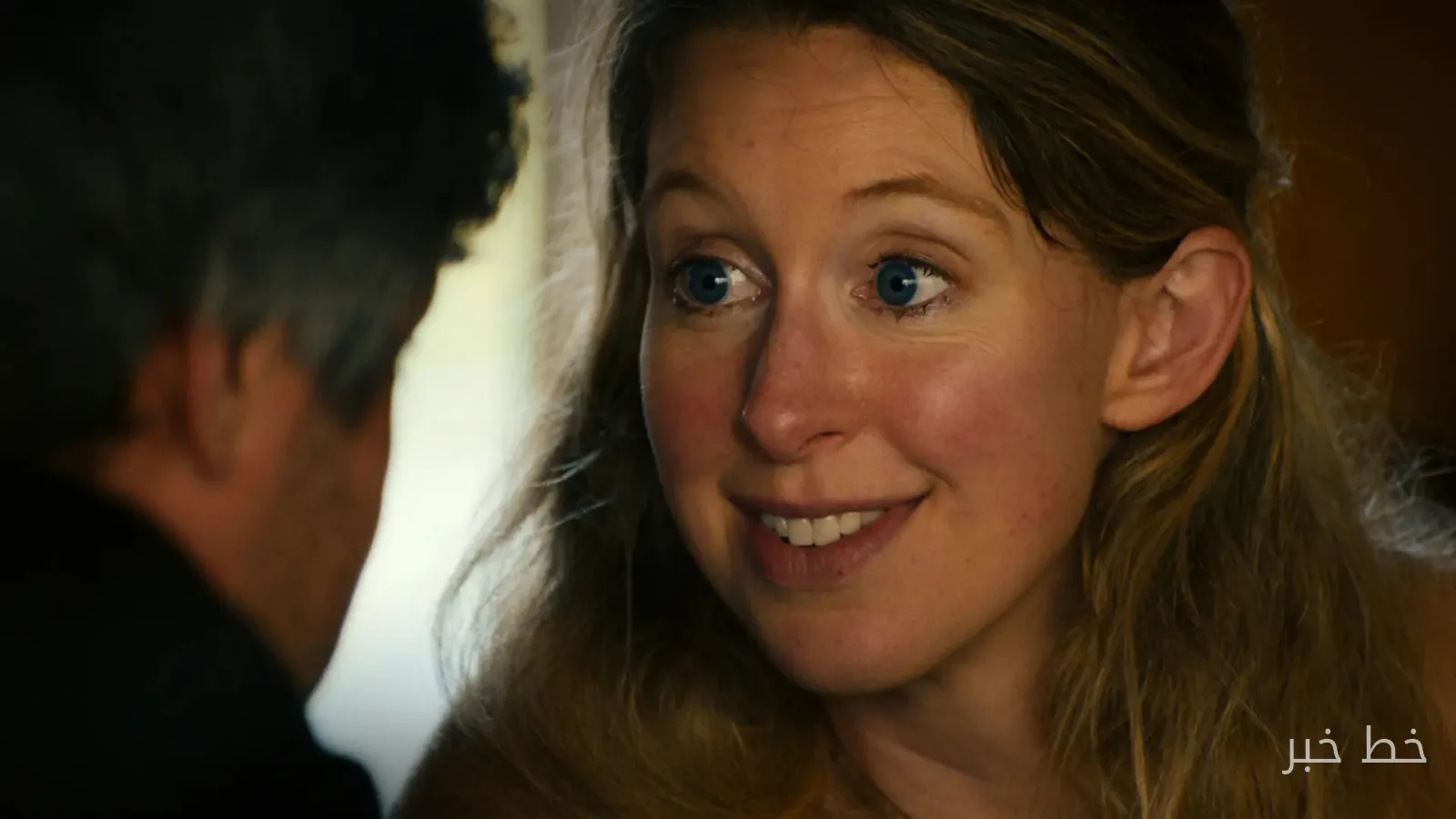
Elizabeth Holmes, the founder of the blood testing technology company Theranos, is portrayed in a new documentary titled You Can See Everything, directed by Nathan Fielder and Lance Oppenheim. This documentary, which premiered at the Telluride Film Festival, examines Holmes' life in the 34 days leading up to her imprisonment and tells a story of her claims and challenges.
Life on the Brink of Prison
In this documentary, Fielder and Oppenheim lived closely with Holmes, her partner Billy Owens, and their two young children. The two directors joined this project at Owens' invitation when he and Holmes were looking to create a documentary about their lives. Owens wanted to present an accurate portrayal of Holmes, whom he believes has been unfairly heroized.
Read more: Netflix Releases Trailer for 'The Land of Arnia: The Magician's Nephew'
The Gap Between Truth and Claims
Throughout the film, Holmes repeatedly tells Fielder that she has nothing to hide, but his questions often put her in positions where it seems she is telling half-truths. These contradictions and doubts add to the film's appeal and challenge viewers to consider whether they can trust Holmes' words. While she strives to prove her innocence, her behavior conveys a sense of dishonesty.
As time goes on, Fielder's approach as an active character in the documentary becomes evident. His dramatic reactions to the conversations between Holmes and Owens give viewers the feeling that they are watching a performance. This type of filmmaking generates curiosity among audiences, but some may wish to get closer to the truth than mere entertainment.
Shift in Narrative
The second half of the film leads to significant changes. Two years after Holmes' imprisonment, the directors' access to her is severely limited, causing Owens to appear more as a controller of the narrative. In this section, he is more clearly introduced as a negative character in the story, and his role as a supporter is challenged. This shift in narrative allows viewers to look at the story from new angles and delve deeper into the characters.
The documentary You Can See Everything clearly raises questions about honesty and character portrayal in today's world. Despite Holmes' strong efforts to present a positive image of herself, her challenges in front of the camera and the undeniable realities of her life compel viewers to reflect on the concept of truth and personal and social narratives.
Read more: Mark Harmon and Michael Weatherly Reunite in Season Three of 'NCIS: Origins' · The Ozis Documentary Premieres on October 9 on Disney Plus