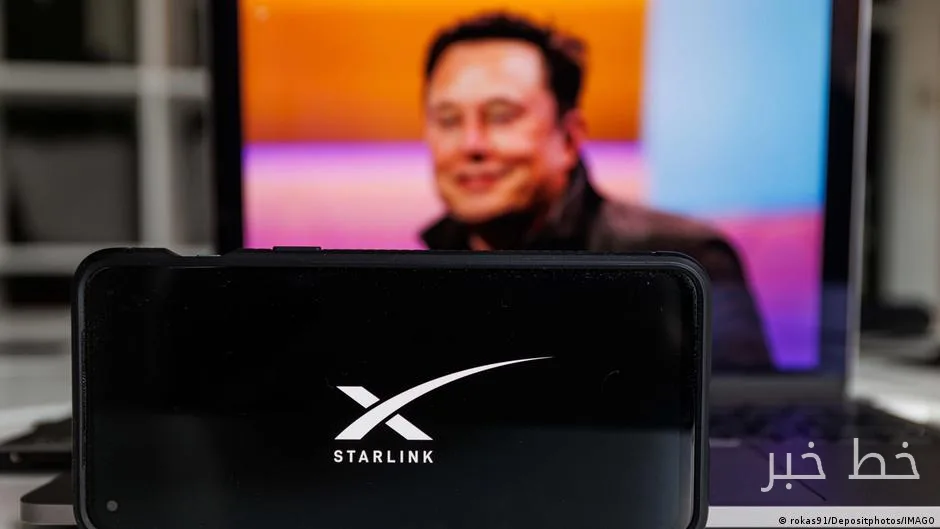
Elon Musk, CEO of SpaceX, has intensified his criticism of the delay in the launch of Starlink in India. Last week, he sarcastically referred to Mukesh Ambani, one of the richest individuals in India and chairman of Reliance Industries, calling him "Prime Minister Ambani" and criticized his supporters for backing a monopoly.
Call for Competition
Musk wrote in a post: "Are you still considering allowing Starlink to compete?" He also emphasized that this service could provide internet access to underserved communities across India.
Read more: OpenAI has published new mathematical achievements
Reactions and Current Status
The ruling Bharatiya Janata Party (BJP) responded to Musk's criticisms, stating that the party leaders defend Musk's interests. Akash Ambani, chairman of Reliance Jio, refrained from commenting on Musk's statements at the Mobile India 2026 conference in New Delhi, saying: "We do not want to raise our heads and provide value to Indian consumers."
While Starlink has received key licenses and signed distribution agreements with Reliance Jio and Bharti Airtel, it has not yet commenced its commercial operations in India. The company's satellites can provide internet access in remote villages and border areas.
Security and Regulatory Challenges
The Ministry of Communications of India has announced that security assessments for all three licensed satellite operators are underway, and they are at a similar regulatory stage. The ministry noted that each operator must comply with specific security conditions to protect users and their data.
Some analysts believe that the delay in launching Starlink is due to commercial competition, regulatory uncertainties, and legitimate security concerns. Yashvardhan Jha Azad, a national security expert, says: "The main question is who has effective control over a vital communication service in times of crisis?"
The Role of Investment and Transparency
The delay in launching Starlink has raised questions about the predictability of India's investment environment. Economist Lekha Chakrabarti believes that this issue stems from a lack of transparency in the approval process, stating: "Investors can price known rules, but they cannot effectively price discretionary and multi-organizational processes with unclear endpoints."
Read more: Trump's administration suspended residency certificates for major tech companies · Protests against the Chief Election Commissioner of India intensify