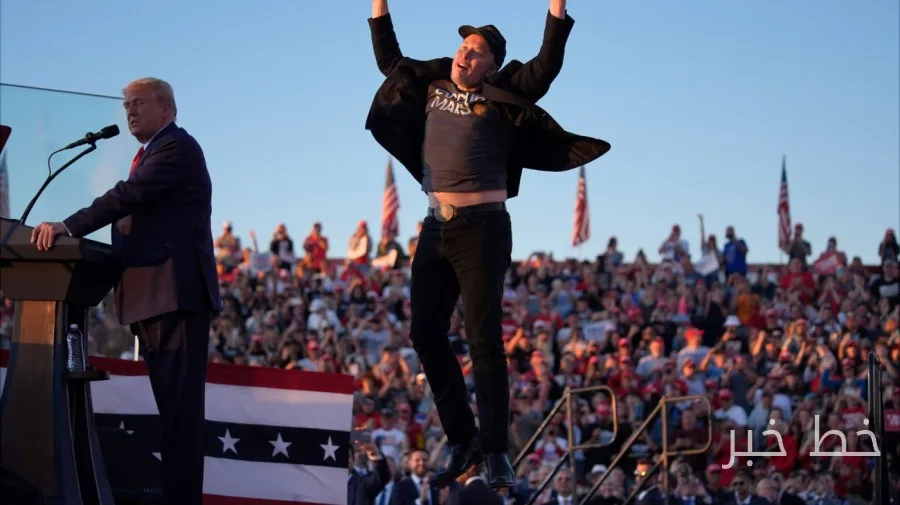
Elon Musk has become one of the most influential figures in the political and social landscape of the United States by purchasing Twitter. Through this acquisition, he has gained considerable control over the content published on this platform and especially over the public opinion of Republicans. This power allows him to easily impose his thoughts and ideas on the population, while others seem to face more scrutiny and criticism.
Musk's Influence on the Republicans
As Twitter has become one of the main communication platforms for politicians and political activists, Musk's dominance over this platform has allowed him to influence Republicans. This influence is particularly evident during election times when he can change the thinking and behavior of voters by sharing his opinions and posts.
Read more: Independent groups are working to counter Trump's electoral interference
Imbalance in Scrutiny
While many other influencers on social media are scrutinized and criticized for their published content, Musk seems to be exempt from this rule. This situation may be due to his recognition as a prominent and wealthy figure capable of making significant changes in society. However, this raises questions about fairness and proportionality in the criticism of public figures.
As social media platforms are becoming the main venues for information exchange and political discourse, it is important to consider whether the power of an individual can easily evade public scrutiny. These concerns may gradually lead to deeper discussions about freedom of speech and social responsibility.
Future Implications
Elon Musk's role in future political developments could have significant impacts on how individuals interact with social media and politics. If he continues his activities as a prominent figure, we may witness major changes in political and social approaches. These changes could influence how public opinion is formed and major policies are shaped.
Ultimately, it must be said that Elon Musk's power and influence over the Republicans and his extremism reflect deeper changes in today's society that require more thorough examination and analysis. Should we expect more reactions and transformations in this arena?