Ensuring energy security and trade in geopolitical conflicts has become a vital issue. Several decades ago, the world viewed global trade as a neutral ground that helped energy markets operate more seamlessly today. The standard view in policy circles was that trade made countries safer and more stable. However, now governments are using tariffs and export controls as tools to exert power. The interdependence between countries has turned into a double-edged sword.
The impact of conflicts on global trade
Europe faced this issue in 2022 when Russian gas, long regarded as a reliable commodity, suddenly became a tool for pressure. Despite shifts towards digital economies and the massive investments countries are making in this area, a significant portion of global trade is still conducted through narrow waterways. The Strait of Hormuz, the Suez Canal, and the Bab-el-Mandeb Strait are among the corridors that, if partially closed, can lead to disruptions in global trade. In 2023, attacks on commercial ships in the Red Sea caused a larger diversion around Africa instead of through the Suez Canal.
New approaches to securing energy and trade
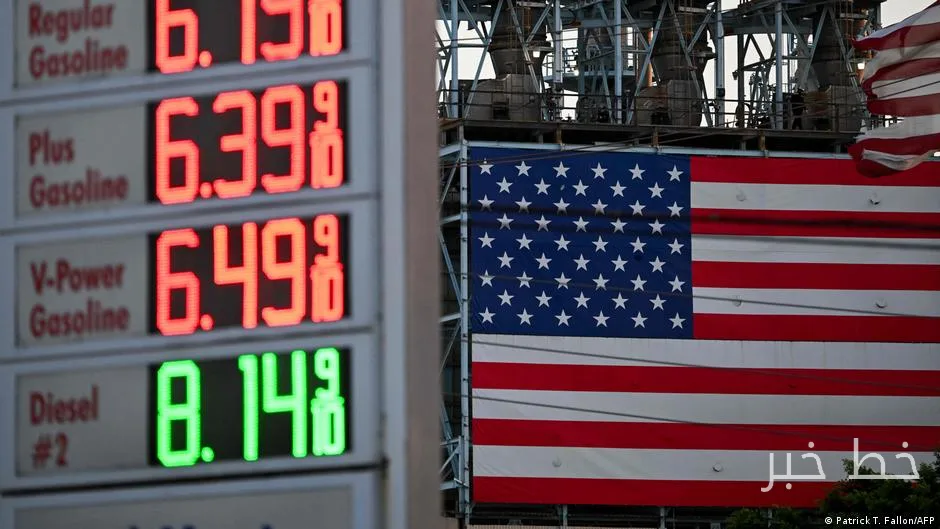
These diversions have led to increased insurance costs, fuel consumption, and delivery times. Meanwhile, severe drought has caused the Panama Canal to reduce its transit daily. The Hormuz crisis in 2026 taught this lesson at a high cost, and countries that act now will determine the conditions of the new era of global trade. On February 28, 2026, with the onset of war between the United States, Israel, and Iran, the Islamic Revolutionary Guard Corps closed the Strait of Hormuz to control oil exports from the Gulf Cooperation Council. Within just two weeks, the International Energy Agency reported that exports from the Strait of Hormuz had dropped to one-tenth of normal flows.
Asian countries were hit hardest, as they were heavily reliant on Gulf crude oil. The damages from this crisis were not limited to oil prices; for example, urea fertilizer also passes through this strait, and disruptions in its supply led to increased food prices. Gulf countries demonstrated their resilience by finding alternatives for exports away from the Strait of Hormuz. For instance, the United Arab Emirates established the Habshan-Fujairah pipeline, which began construction in 2008 and became operational in 2012.
Ensuring energy security and trade has become a critical topic at the annual Trends conference on October 12, 2026, titled “Sustainable Security: The Future After War in the Middle East.” The Middle East plays a vital role in the global economy and is always exposed to regional conflicts, but it can utilize several approaches to secure trade.
One of these approaches is risk diversification through the establishment of more land routes. The India-Middle East-Europe Economic Corridor, which is currently in development, is one of the initiatives aimed at connecting several countries through a trade line. The second approach, “friend-shoring,” protects sensitive supply chains by relocating them to allied countries. This approach may be costly, but it is highly effective during wartime. The third option is stockpiling. In March 2026, the International Energy Agency agreed to release 400 million barrels of emergency reserves.
These issues not only affect local residents but also have global consequences, impacting the daily experiences of people worldwide through changes in fuel costs, agriculture, and food supply. The annual Trends conference aims to address critical issues and questions regarding Middle Eastern security, emphasizing the need for sustainable stability in the Middle East after conflicts.