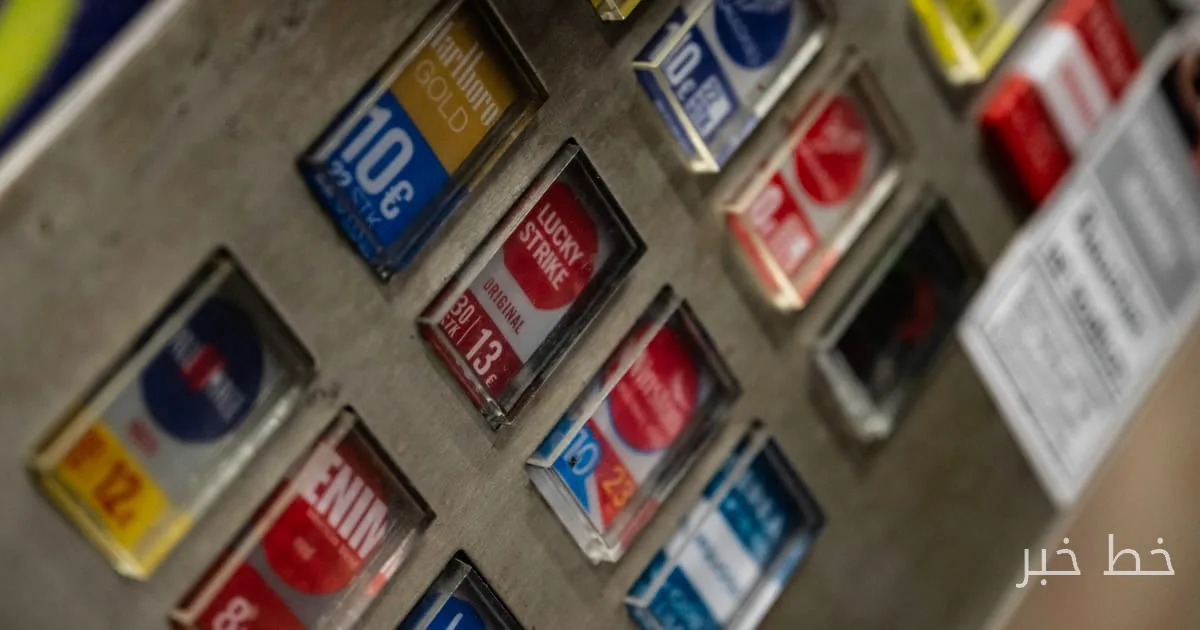
EU finance ministers were unable to reach an agreement on legislation for tobacco taxation during a meeting in Brussels. This comes after a temporary agreement had garnered near consensus. The main disagreements were between Finland and Sweden regarding the minimum tax rate for nicotine pouches, which was ultimately resolved with a negotiated rate, but Malta was the only country to oppose the proposed text.
Long Discussions and No Final Agreement
Simon Harris, Ireland's finance minister, after lengthy negotiations with ministers from 27 EU countries, stated: "We have the agreement of 26 countries" and added: "It is clear that this issue requires consensus." The tobacco tax directive has divided various countries for months, and minimum tax rates for nicotine products have emerged as a contentious issue.
Read more: Maxine Waters has been nominated for the chair of the House Financial Services Committee
The European Commission proposed last July to increase taxes on cigarettes and set minimum rates for new products like vapes and nicotine pouches. The aim of these tax increases is to reduce tobacco use, which is a cause of cancer, and to prevent young people from using addictive nicotine products.
Challenges Facing the Tax Agreement
Harris, who chaired the negotiations, emphasized the significant progress made in this meeting, stating: "I intend to return to this issue" to bring it to a conclusion. Taxes related to nicotine pouches have become one of the perennial issues throughout months of negotiations among finance ministers in the EU Council and have been delayed again.
Ireland began negotiations with a proposal of €20 per kilogram, while a previous draft suggested starting the rate at €30 per kilogram and reaching €80 by 2032. This was ultimately reduced to a target of €50 per kilogram, and the new draft was lowered to €20 to allow for a higher rate to be set later.
While it seemed this rate might succeed, Sweden, which had previously opposed high taxes on nicotine pouches, agreed to the deal. However, Finland opposed it. Riikka Purra, Finland's Deputy Prime Minister and Finance Minister, expressed regret that the aspirational level for nicotine pouches had "been completely removed."
Given that Malta and Estonia also opposed the agreement due to issues regarding indexing, Harris halted the public session to continue private negotiations. These negotiations were close to success. Finland and Sweden agreed that nicotine pouches would be included in this directive, but the tax rate would be determined at a later date, and the Commission would provide a legal report within a year of the directive's implementation.
A key clause regarding indexing was also removed, but Malta still opposed the agreement. Clyde Caruana from Malta stated after the private session: "Unfortunately, for the time being, we cannot support this proposal" and did not provide any public explanation.
Caruana had previously raised concerns about periodic price increases indexed to inflation rates, stating that pricing for Malta would be "stringent, complex, and above national levels."
Harris urged his counterparts to reach a consensus because without an agreement, nicotine products would continue to face no minimum tax or meaningful cross-border restrictions. He said: "We cannot allow perfection to be the enemy of good." He added: "Failure to agree is the least aspirational outcome, and this disagreement is a victory for the tobacco industry and a danger for youth across the EU."
Harris promised to use the momentum gained in just a few hours to finalize this directive during Ireland's presidency, and the Economic and Financial Affairs Council is set to meet again in December.
Read more: The U.S. Senate is advancing a bipartisan licensing reform bill · Marine Le Pen's plan to end EU diplomacy