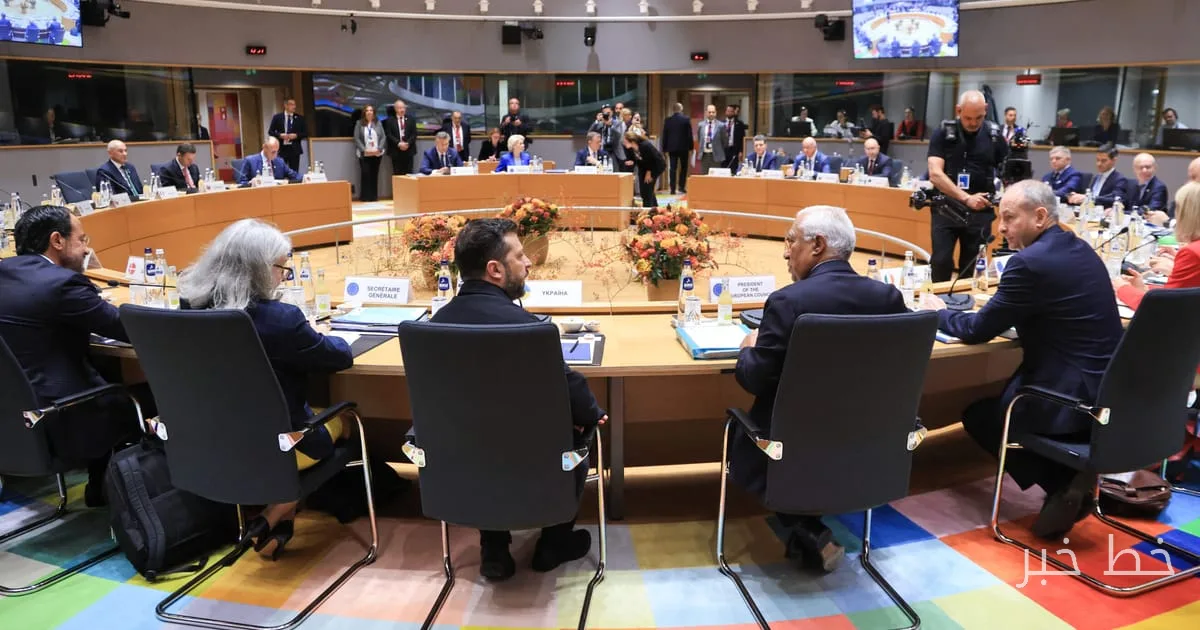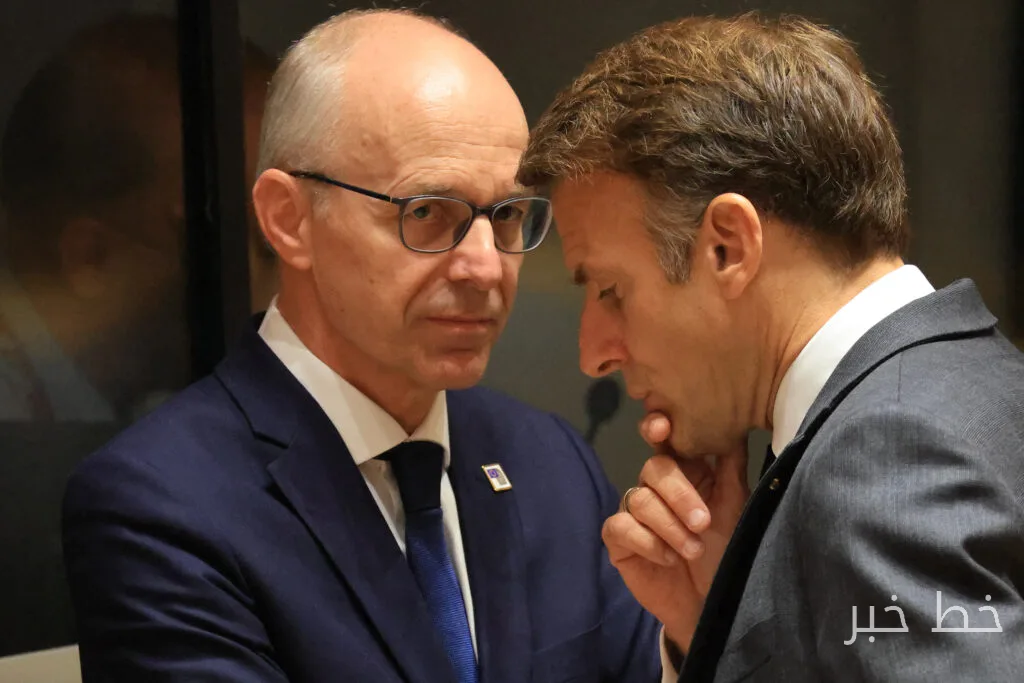
EU leaders engaged in two days of debate in Brussels on topics ranging from environmental regulations to migration policies and Ukraine's long-term financial needs.
Failure to make key decisions
Despite calls for urgent action, the main outcome of the European Council meeting on Thursday and Friday was that key decisions were postponed to a later date. With elections approaching in Spain and France, and as leaders' positions seem more entrenched than ever, no meaningful agreement was reached.
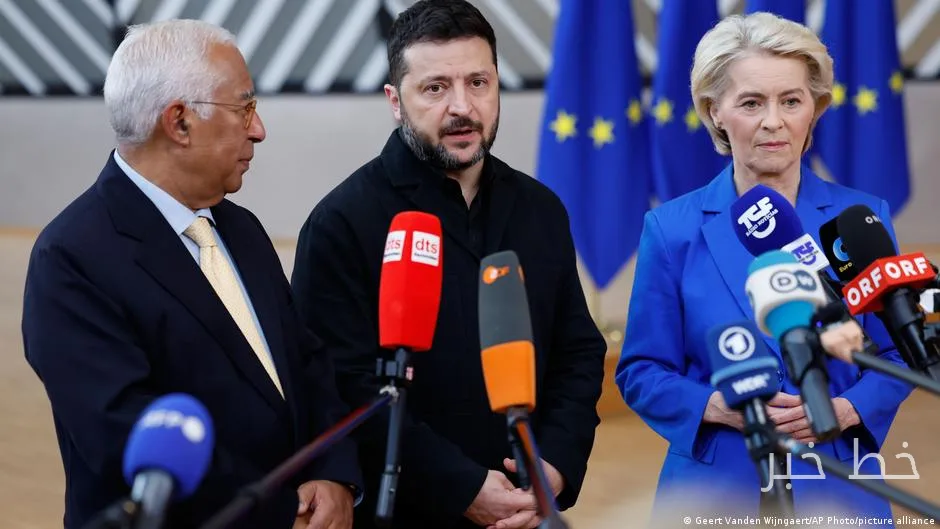
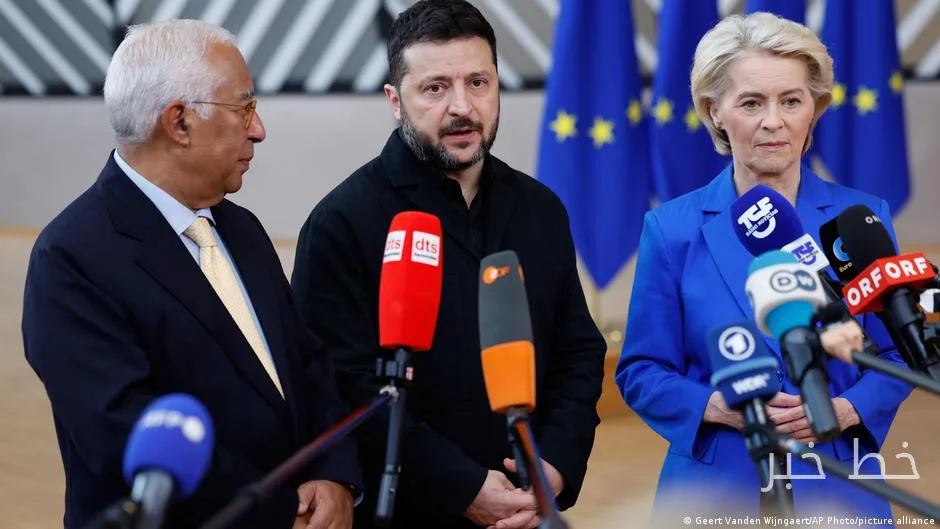
Volodymyr Zelensky, the President of Ukraine, who traveled to Belgium, received little more than expressions of goodwill and friendly words. In a press conference, he told reporters that European countries must prepare a financial plan for Ukraine or face an unprecedented migration crisis.
Ukraine's financial crisis
Zelensky stated, "The war will cost 155 billion euros next year. And we need at least another 70 billion euros from you — for defense, for weapons, and for our resilience." He described this amount as realistic and urged leaders to provide this support to contain Russia.
Two diplomats indicated that capitals would continue to explore various options to meet Kyiv's needs, including the possibility of further loans from the EU. Discussions about releasing around 300 billion euros of frozen Russian assets to assist Ukraine are also part of this context.
While Zelensky emphasized the need for funding for Ukraine, EU leaders failed to reach an agreement on Ukraine's financial program for 2027. Antonio Costa, the President of the European Council, stated that leaders quickly agreed to review Ukraine's additional financial needs in 2027 and asked the Commission to provide specific proposals.
Disagreements over budget and migration laws
This meeting also provided an opportunity for leaders to agree on the size and shape of the EU's long-term budget of nearly 2 trillion euros. Emmanuel Macron, the President of France, warned that if this agreement is not signed by the end of the year, there will be no mandate left to sign it.
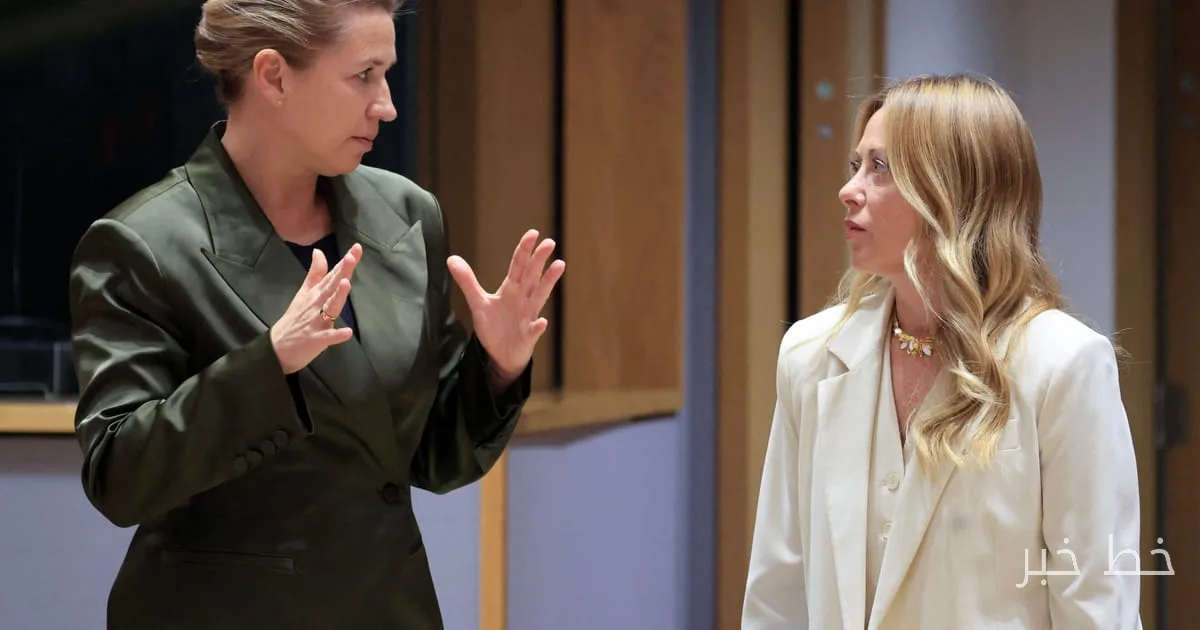
However, neither side, whether the smaller budget supporters or the "friends of solidarity" group, reached a tangible agreement. Instead, leaders spent most of their time trying to gain a tactical advantage regarding environmental regulations and migration policy.
Macron criticized the migration discussions, stating, "This debate has become highly politicized and has been a major source of division among countries."