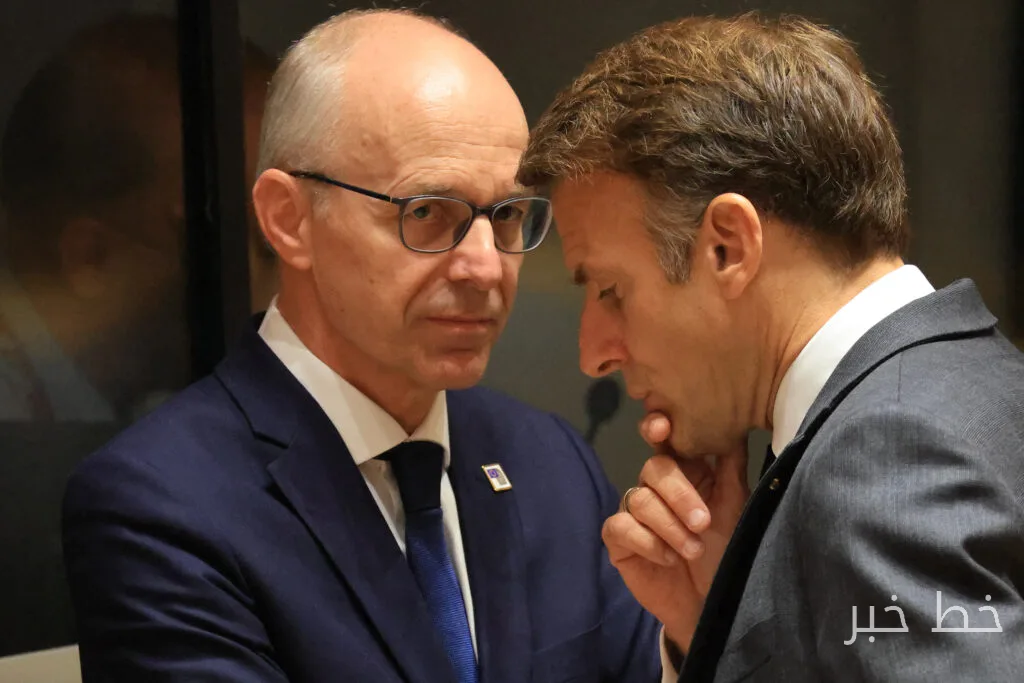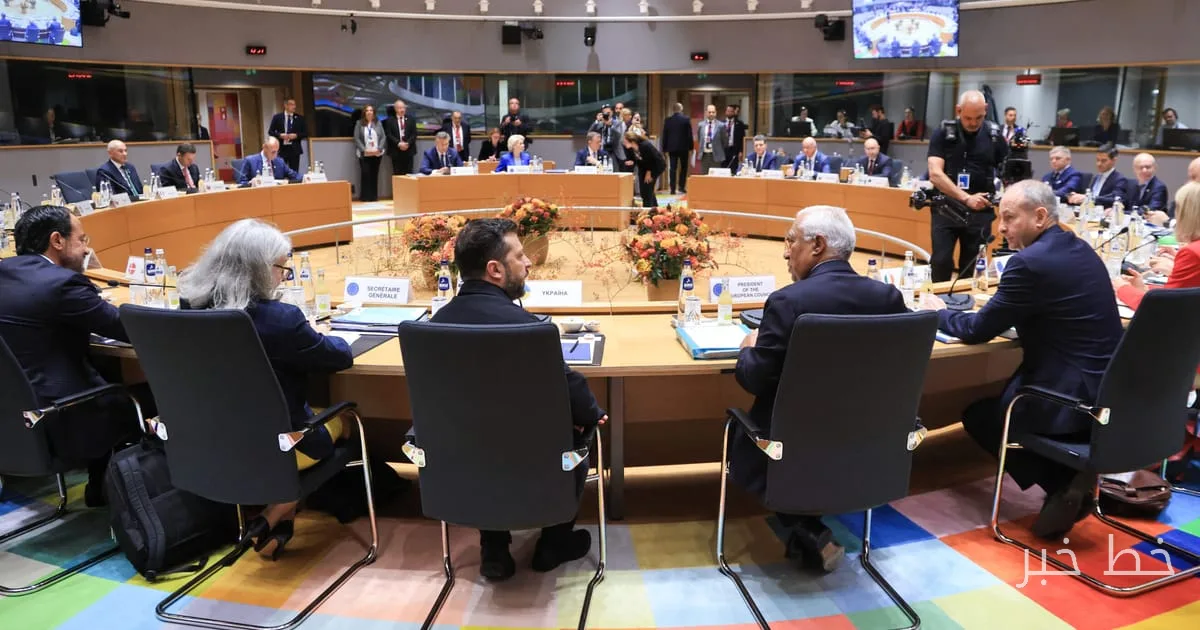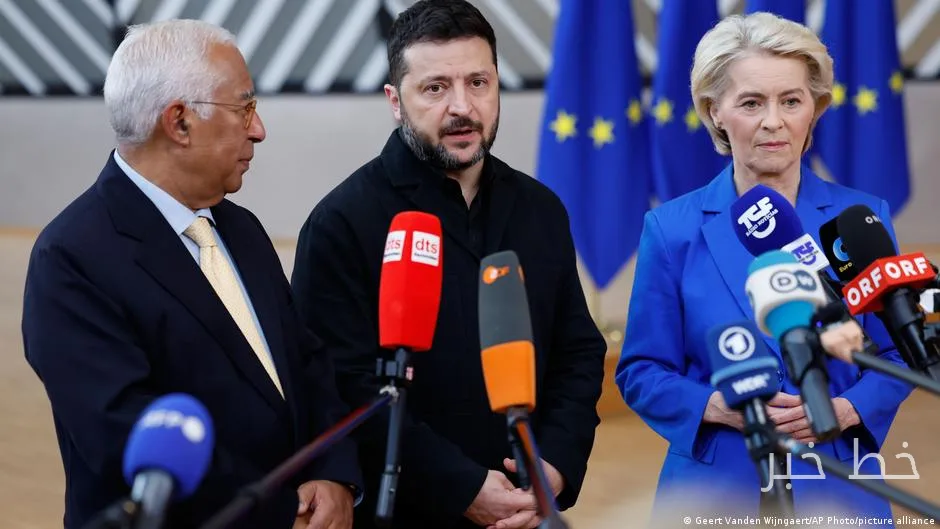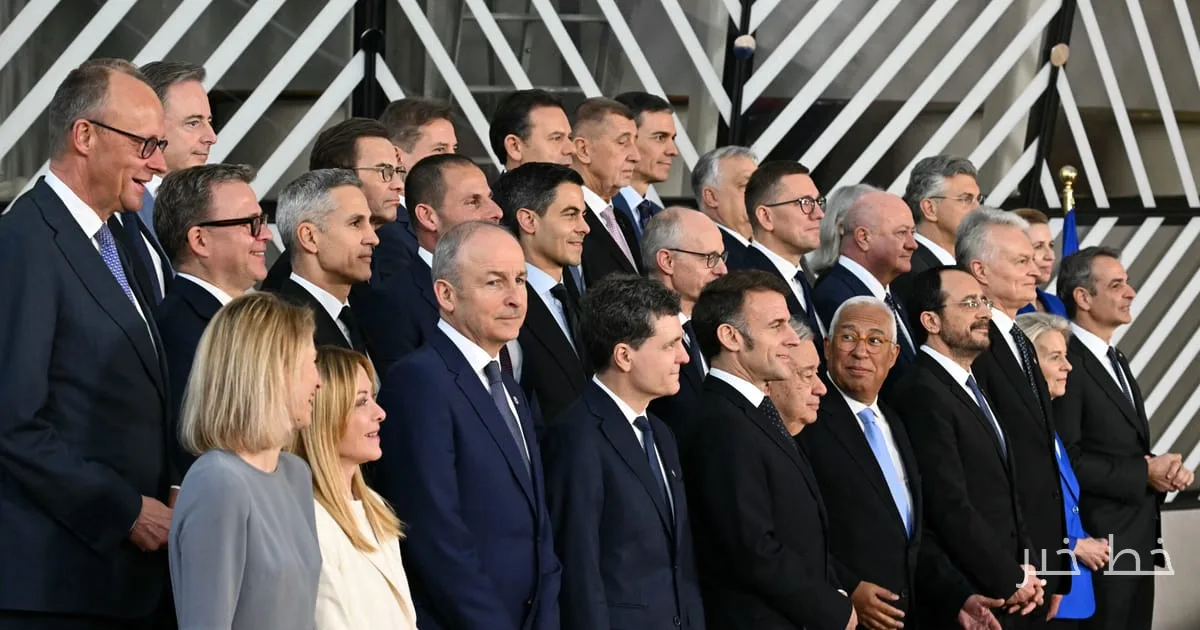
Leaders of the 27 member countries of the European Union have gathered for a two-day summit in Brussels. This meeting, which begins on Thursday, was initially intended to focus solely on financial issues and the examination of the Union's seven-year budget plan, but multiple geopolitical crises currently facing Europe have impacted this agenda.
Economic Challenges and Global Crises
Antonio Costa, President of the European Council, aimed to expedite discussions regarding the new Union budget with this gathering and hoped to reach an agreement before the elections in France, Italy, and Poland in 2027. However, rising energy prices, tensions with China, Russia's war in Ukraine, and uncertainties in the United States have significantly affected this plan.
The summit has turned into a two-day marathon that covers almost all of the main challenges facing the European Union. From maintaining the competitiveness of European factories to ensuring the security of important global maritime routes, all are on the agenda.
Meeting Agenda and Key Discussions
On the first day of the summit, leaders will address economic problems and Europe's competitiveness. One hot topic is the rising energy prices due to the war in Iran, and governments are seeking immediate assistance from the Commission. This issue could lead to heated political discussions.
Following this, the President of the European Commission, Ursula von der Leyen, will present a report on efforts to reduce the trade imbalance with China. Leaders expect an increase in demand for new trade measures to prevent the decline of industry in Europe.
On the second day of the meeting, the topic of Ukraine and the presence of Volodymyr Zelensky, the President of Ukraine, is anticipated. Leaders will discuss Ukraine's needs in terms of air defense systems and financial support. Additionally, there will likely be discussions about stricter measures against Russia and visa restrictions for Russian citizens.
According to a draft of the summit's outcomes, governments are inclined to reduce their commitments to reach an agreement in December. Costa is seeking to achieve an agreement before the 2027 elections, while capitals are concerned that a deadline may weaken their bargaining power.
Finally, time will be allocated for discussions on internal reforms of the Union and how to prepare it for expansion to new countries. Progress in negotiations for Montenegro's accession to the Union and the need for internal reforms in this regard will also be important topics.