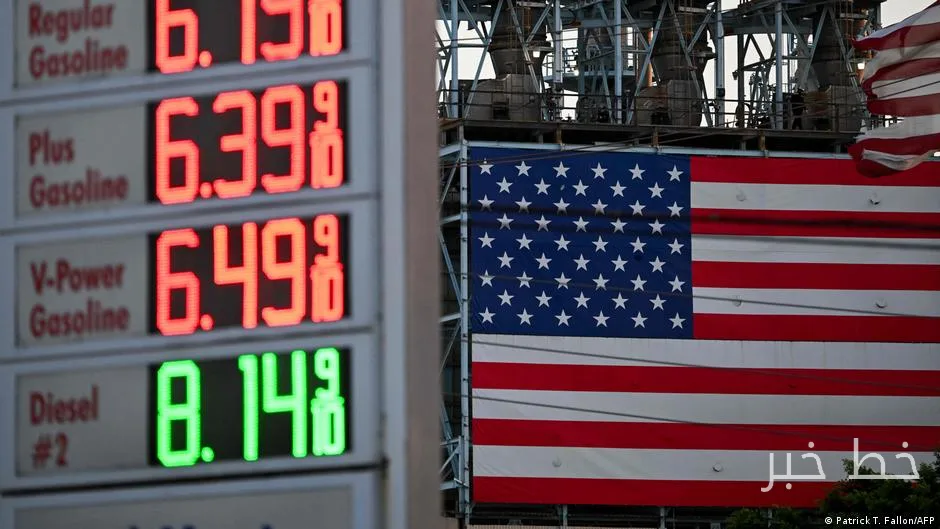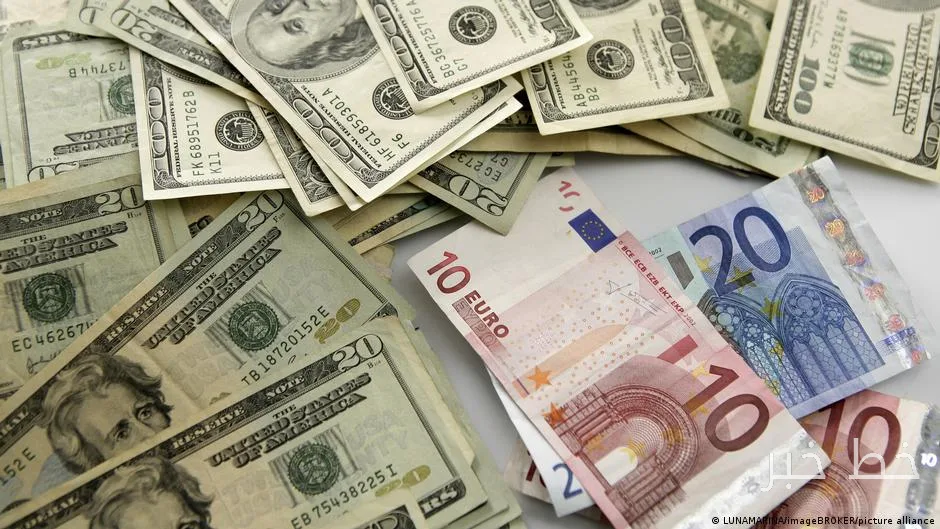
The euro fell to its lowest level in 17 months against the dollar during trading on Monday, reaching $1.12, the lowest level since early 2025. Concerns about the debts of the Eurozone, particularly in France, have been compounded by existing worries about rising yields on government bonds and increasing oil prices.
Reasons for the Euro's Decline
The euro has decreased by about 5 percent since the beginning of 2026. Ricardo Amaro, chief economist for the Eurozone at Oxford Economics, stated that this decline is due to a revision of investor expectations regarding the policies of the U.S. Federal Reserve and rising interest rates resulting from increased global bond yields. He added that the recent sell-off has been particularly due to concerns regarding France, where investors have prepared for higher financial risks.
Read more: Major economies release 100 million barrels of fuel
Economic Issues in France
Sales of French government bonds intensified last week, raising concerns about the sustainability of the country. France's borrowing cost for 10 years has reached 5 percent. Since Emmanuel Macron took office in May 2017, France has faced underlying financial issues, with public spending increasing while tax cuts have also been on the agenda. As a result, the country's national debt has risen to over one trillion euros ($1.12 trillion).
The debt-to-GDP ratio in France has now reached nearly 118 percent, and the country consistently reports imbalanced budgets. The annual budget deficit typically exceeds 5 percent, which is higher than the 3.4 percent rate that Macron inherited when he took office.
Concerns about low economic growth in the Eurozone and rising energy prices have led many investors to turn to safer options such as German government debt. The difference between the yields on French and German government bonds reached its highest level since the Eurozone debt crisis last week, serving as a measure of the financial stability of the European Union.
Pressure on the euro and other government bond markets, including Italy, has led to calls for action from the European Central Bank to prevent concerns from turning into panic. Jim Reid from Deutsche Bank noted in a memo on Monday that at one point last week, the gap between German and French bonds had widened to the extent that there was a risk of a "mini panic."
Amaro believes that the situation poses a challenge for the European Central Bank as it must act without exacerbating the problems. He added, "The weakness of the euro should not be interpreted as a separate development."
Read more: John Kennedy warned about the cost of living and midterm elections · Rising interest rates and mortgages have created new concerns for Republicans