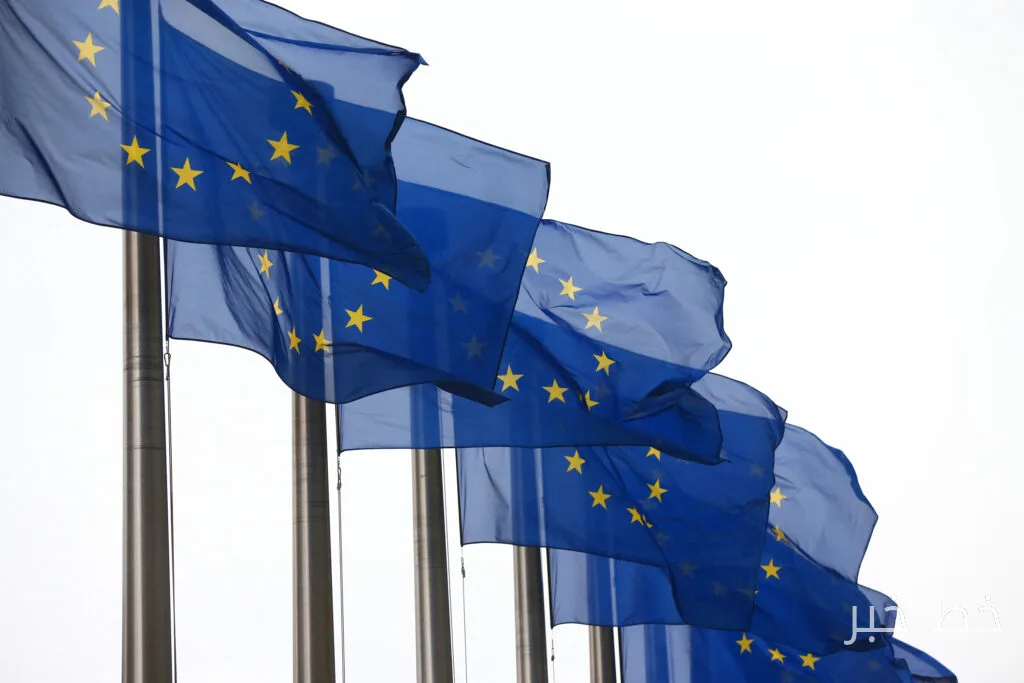
European countries are rapidly moving towards their own national laws while the European Union is still in the process of drafting a comprehensive law to protect children from social networks. Within six weeks of the introduction of the EU Kids Act proposal by the European Commission, national governments, particularly in Denmark and Greece, have passed new laws to limit children's access to these networks.
National measures in response to challenges
Various European countries, especially in Northern Europe, are calling for unified age restrictions for access to social networks. This comes as the President of the European Commission, Ursula von der Leyen, responded to this request in September by introducing the EU Kids Act, which stipulates that children under 13 should be banned from accessing most social networks, and access for children under 15 should be severely restricted.
Read more: Pentagon selects Poland as the new missile repair center
However, evidence shows that countries do not want to wait for the legal process in Brussels and in some cases have moved to pass national laws that may impose stricter restrictions than what von der Leyen has proposed.
Agreement for a unified law in the European Union
Denmark's Digital Minister, Christina Egelund, said: "While we await the approval of the EU Kids Act, we continue to advance national legislation. The issues are urgent, and children and parents should not have to wait."
In this context, the Greek parliament passed a law last week that prohibits access to social networks for children under 15. Italy has also resumed its efforts to create similar restrictions.
On Thursday, the European Commission is expected to provide the first indications of how it will deal with national laws. Austria's proposal to ban access to social networks for children under 14 will be the first test of this issue.
European countries are still seeking a unified law that can delegate oversight of major platforms like Instagram and TikTok to Brussels. This law also prevents market fragmentation with different regulations in different countries.
However, reaching an agreement on the final text of the law and implementing the EU Kids Act will take more than a year, which is a long time for national leaders looking to demonstrate their seriousness in protecting children's mental health and regulating big tech. The age set for restrictions is also a point of contention, as different countries tend to choose age ranges between 13 and 16.
A spokesperson for Greece's Digital Ministry stated: "Greece decided to advance its law regarding children's access to social networks because protecting children is an urgent issue that requires timely and specific action."
Read more: Data centers led to the convergence of two parties · Turkey and Libya signed a new maritime agreement that escalates tensions with Greece and the European Union