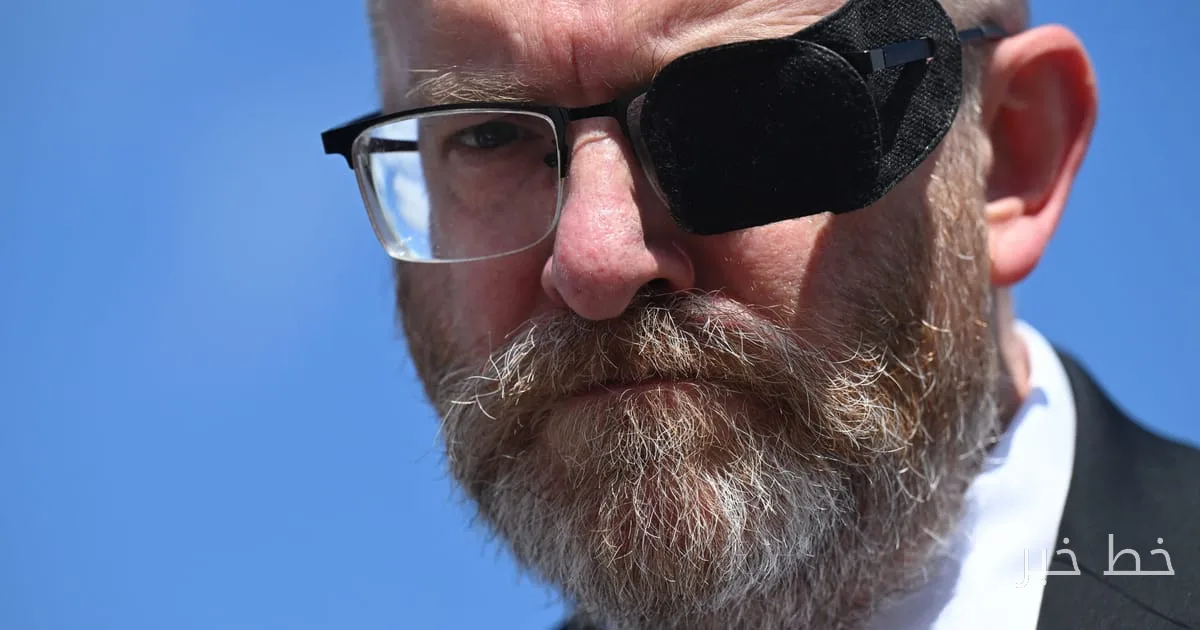
Grzegorz Braun, the far-right representative and leader of the nationalist Confederation Crown of Poland (KKP), lost his immunity on Tuesday by a vote of the European Parliament. He is facing legal action in Poland for allegations of Holocaust denial.
Serious Allegations Against Braun
Braun has been accused of denying Nazi crimes at Auschwitz due to his statements during a public debate in Warsaw in September 2025. In this debate, he claimed that the Nazi crimes at this camp have been exaggerated to an extreme degree. This far-right representative also stated in a radio interview in July 2025: "Auschwitz with its gas chambers is, unfortunately, a fake." These statements faced severe backlash, and he was prosecuted for denying genocide.
Read more: Ursula von der Leyen emphasizes European independence in her speech
Holocaust denial in Poland can lead to imprisonment for up to three years. The European Parliament had previously lifted Braun's immunity in another case last March, and he officially responded to these allegations in August.
Political Consequences of Immunity Lifting
The lifting of Braun's immunity allows Polish authorities to handle more cases against him. This far-right representative came in fourth in the 2025 Polish presidential election, securing 6.3% of the votes. Polls indicate that his KKP party is expected to receive about 8% of the votes in the upcoming parliamentary elections next year, which could give him a significant role among far-right parties.
The European Parliament has previously lifted Braun's immunity several times due to various allegations. He has also faced scrutiny for attacking a doctor and extinguishing the candles of a menorah during Hanukkah celebrations. After the vote on Tuesday, Braun joked in a post on social media platform X that he had lost track of how many times his immunity had been lifted. He did not respond to immediate requests for comment.
Read more: Swedish Parliament on the brink of a close election with a slight leftist advantage · Ursula von der Leyen's actions to create balance in the European Parliament