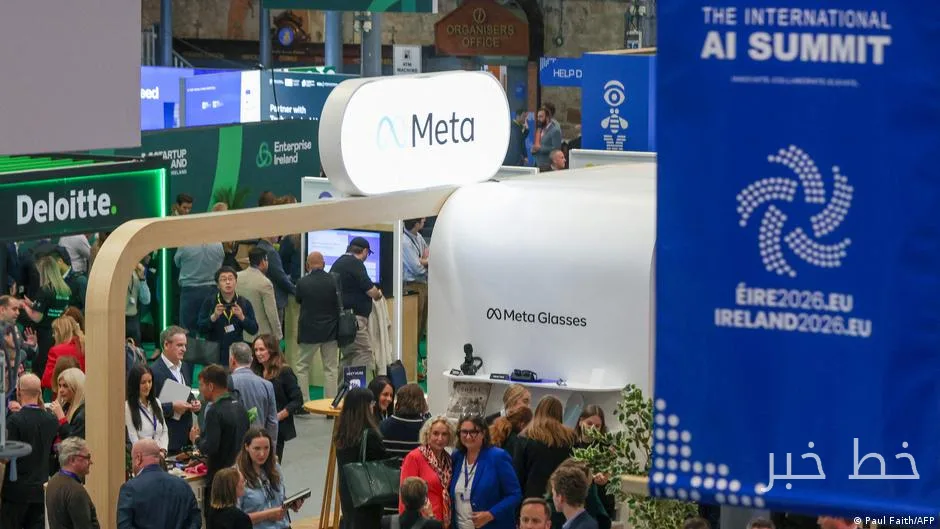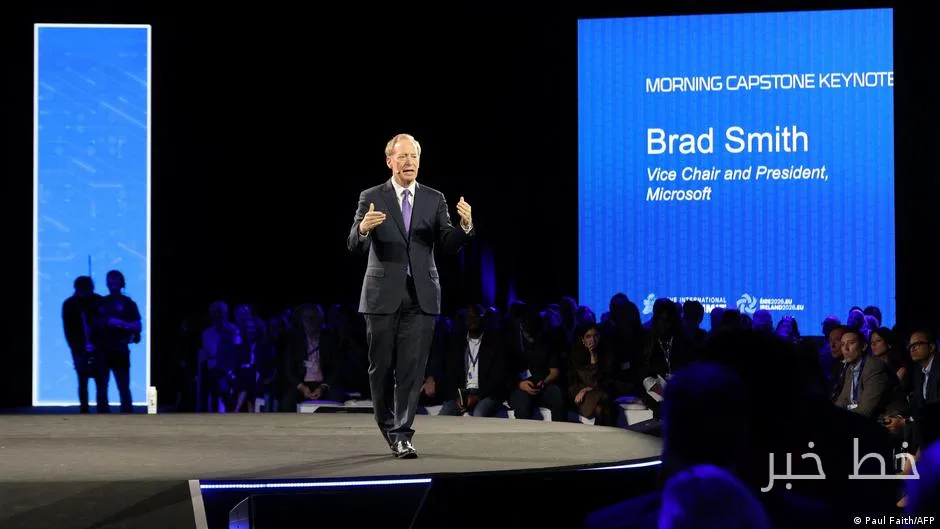
The International AI Summit took place this week in Dublin, aiming to signal Europe's readiness to enter the AI revolution. The event, which hosted over 1,500 guests, featured figures such as Demis Hassabis, founder and CEO of Google DeepMind, and Brad Smith, President of Microsoft. This event was part of Ireland's presidency of the Council of the European Union, but criticisms were raised about the absence of critical voices in contrast to the enthusiasm shown for AI.
Challenges and Opportunities
The main topic of the summit was how to use AI to kickstart Europe's sluggish economy, increase innovation, and compete with the United States and China. In panels filled with senior executives, potential benefits such as early cancer detection, improved severe weather alerts, and optimized energy distribution were clearly discussed. However, turning these promises into reliable services still requires testing and validation.
Read more: New report on the competition to build self-improving AI
Economic and Social Impacts
Ireland's interest in these issues is not merely out of goodwill towards other EU countries. The country hosts the European operations of several major global technology companies and is heavily reliant on multinational corporate taxes. In 2025, multinationals paid €28.8 billion in income tax, constituting 87% of total taxes. This includes the pharmaceutical sector and others.
Ireland is looking to shape European regulations to retain investors. However, Europe's financial power is still not on par with that of the United States. Reports indicate that private investment in AI in the United States reached $286 billion (approximately €253 billion) in 2025, while this figure in Europe was only $21 billion (€18.6 billion).
At the summit, EU representatives emphasized that regulations are now available to harness the benefits of AI while mitigating its risks. Michael McGrath, Ireland's Commissioner, spoke about the balance between AI's potential and the need for "appropriate boundaries." The AI Act prohibits certain practices and imposes stricter requirements for sensitive uses.
Despite criticisms that protective measures have been delayed under pressure to compete, O'Sullivan, an AI professor, states that regulation and innovation should not be at odds and can support each other.
Read more: The U.S. Supreme Court examines video rental law in the internet age · Anguilla is indifferent to Trump's renaming of AI