The European Union summit in Brussels aimed at reviewing the seven-year budget of the union ended in a deadlock due to deep disagreements. Leaders of member countries entered the meeting with hopes of reaching an agreement, but negotiations quickly concluded on Thursday night.
Disagreements and Political Tensions
Reports indicate that during this meeting, tensions and public criticisms among leaders of various countries hindered reaching an agreement. Ultimately, they left the meeting without an agreement and did not even attempt to continue negotiations on the second day.
Read more: The European Parliament approved seven budget files for negotiations
According to plans, an agreement on the budget was supposed to be reached by the end of 2026, but experts believe there is no need for concern yet. Jakob Funk Kirkegaard, an economist at the European Union, described this situation as normal and stated that such problems arise in every long-term budget negotiation.
Positions of Different Countries
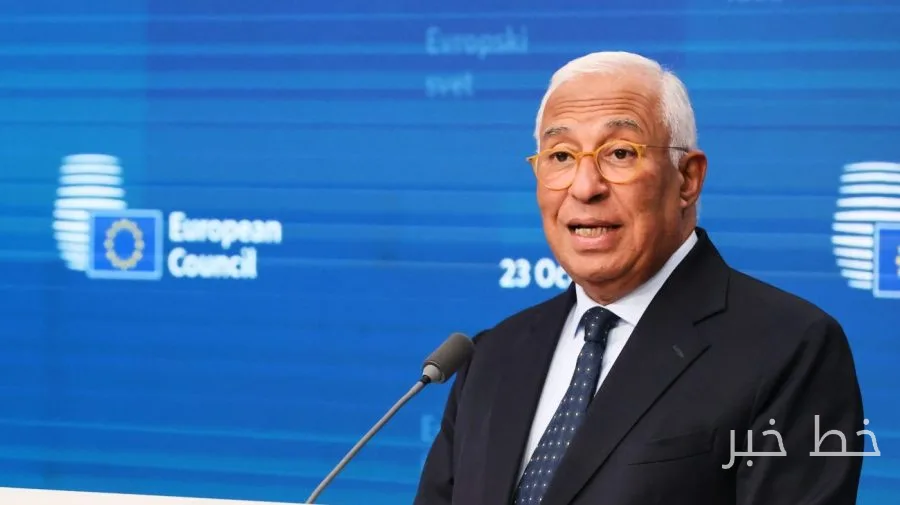
During this meeting, the prime ministers of Denmark, Sweden, Belgium, and Austria, who were seeking budget cuts, left the session in a group and assessed the atmosphere as unconstructive. Additionally, the Prime Minister of Hungary, Peter Magyar, called the meeting completely unnecessary and placed the responsibility for the failure of negotiations on Antonio Costa, the President of the European Council.
Costa defended his decision to hold the meeting, stating that it helped him identify possible parameters for an agreement in December. However, Germany, as one of the largest economies in Europe, emphasized the need for budget cuts and stated that it would only reach an agreement if other EU countries also voted in favor of providing a €45 billion support loan for Ukraine.
This request faced objections from Hungary, the Czech Republic, Bulgaria, and Slovakia, who believe that financial assistance to Ukraine for purchasing weapons would prolong the war. The Prime Minister of Slovakia, Robert Fico, even accused Germany of extortion.
Challenges Facing the European Union
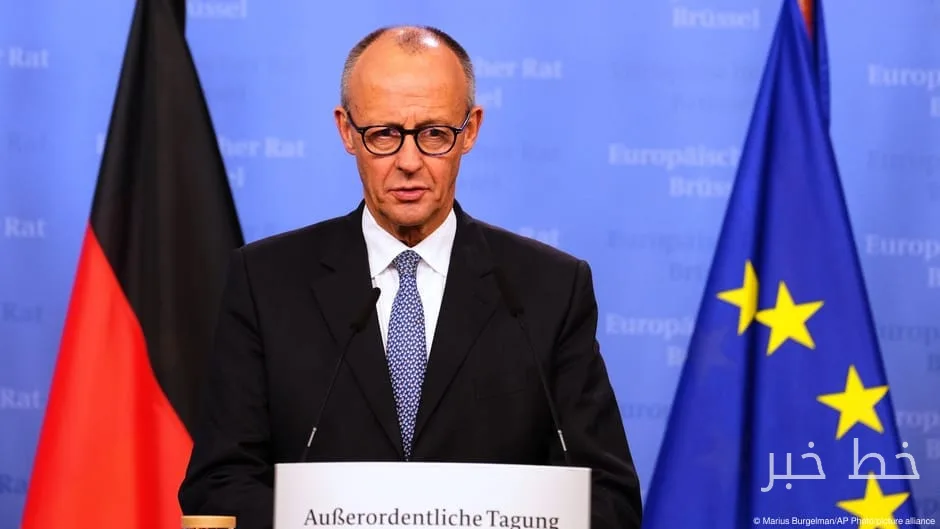
Germany contributes about 25 percent of the total EU budget. German Chancellor Friedrich Merz emphasized the need to cut hundreds of billions of euros at a press conference after the meeting. He also announced that the European Commission's initial proposal of approximately €1.786 trillion had already been reduced by €204 billion.
Merz stated, "Europe must maintain a sense of proportion, and the burden of financing must be distributed fairly." He also referred to Costa, saying that the proposals presented so far are not a basis for agreement.
On Thursday, Costa told leaders that he intends to reduce the next proposal by between €220 and €230 billion. Germany is also looking for ways to add financial resources to the budget that are not sourced from national contributions. In the current proposal, a European Union digital tax has been introduced, which could lead to tensions with the United States.
This tax, proposed by Emmanuel Macron, the President of France, includes a 3 percent tax on online advertising revenues and user data. This tax is expected to add approximately €5 billion annually to the EU budget.
However, this proposal has raised concerns in Ireland, which hosts American tech giants. The Prime Minister of Ireland, Micheál Martin, stated that "the digital tax sends the wrong messages" and he could veto this proposal.
Read more: Pedro Sánchez will be absent from the European Council meeting · China and other countries condemned Trump's new tariff action